What are the major causes of gender inequality?
 14/07/24
 Blog
Blog 25840
25840Introduction
Over the years, India has made encouraging progress towards creating more inclusive opportunities for girls and women across education, healthcare, leadership, and community participation. Greater awareness, stronger policies, improved access to education, and community-driven initiatives have all contributed towards promoting gender equality across different regions of the country.
At the same time, understanding the major causes of gender inequality remains important for building a more inclusive future. Social attitudes, unequal access to opportunities, financial limitations, and gaps in awareness continue to influence the experiences of many girls and women.
Addressing these challenges through education, awareness, skill development, and community participation can strengthen long-term social development and create equal opportunities for all.
Understanding Gender Inequality in India
Gender inequality refers to unequal access to opportunities, resources, participation, and decision-making based on gender. It can affect areas such as education, employment, healthcare, leadership opportunities, and social participation.
In recent years, India has witnessed positive improvements in:
- Girls’ school enrolment
- Women’s participation in leadership roles
- Skill development opportunities
- Access to healthcare and financial inclusion
- Community awareness regarding equality
These developments reflect growing efforts towards creating a more balanced and inclusive society.
Major Causes of Gender Inequality
Limited Access to Education
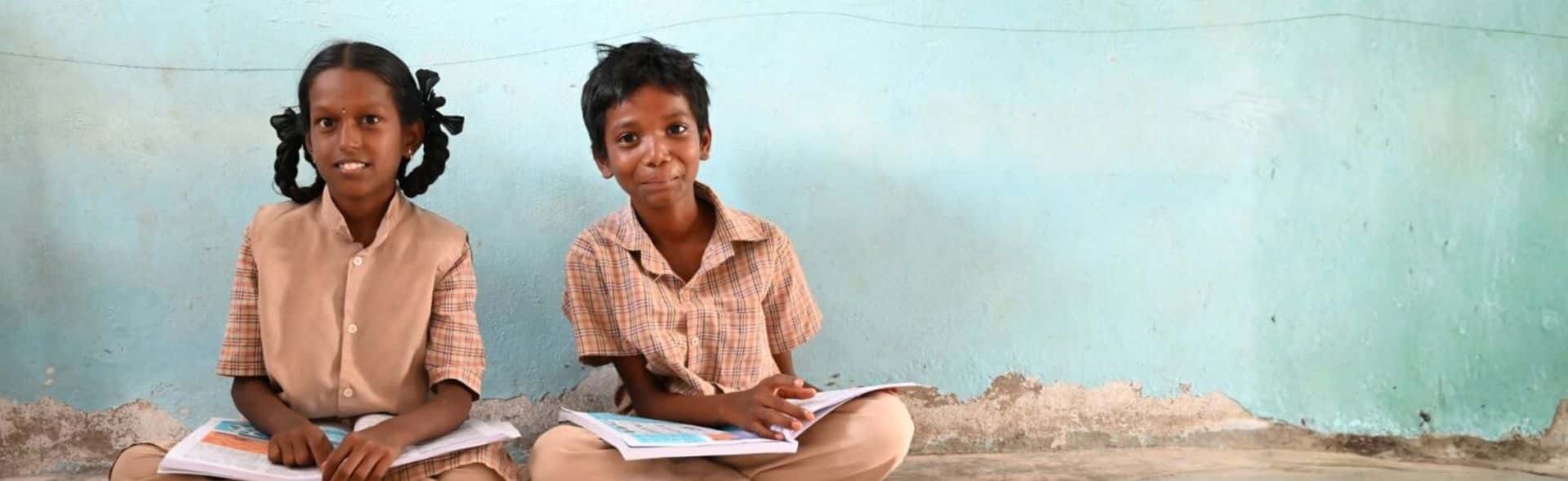
Access to education continues to play a central role in improving opportunities for girls and women. In some regions, barriers such as lack of awareness, limited resources, and social expectations may affect continuous learning opportunities for girls.
Improving access to quality education helps:
- Build confidence and awareness
- Strengthen future employment opportunities
- Improve participation in decision-making
- Encourage long-term community development
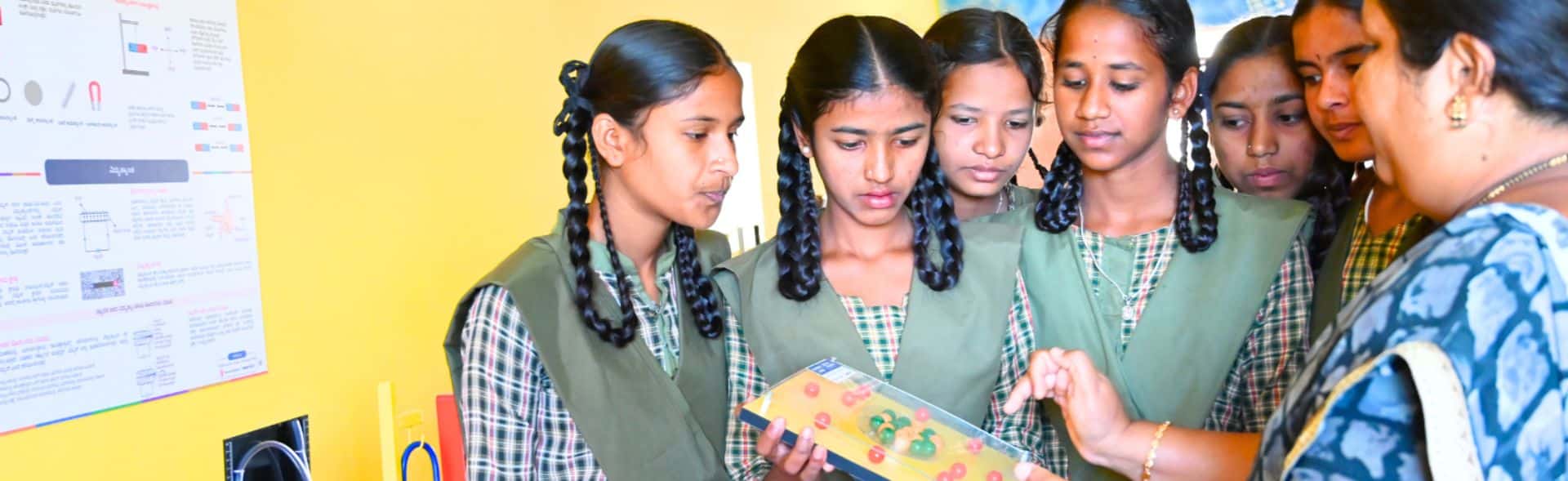
Several initiatives focused on girls’ education and inclusive learning environments are contributing positively towards reducing educational gaps.
Unequal Economic Opportunities
Economic participation is another important factor influencing gender equality. While significant progress has been made, women in some sectors may still face limited access to employment opportunities, financial resources, or leadership positions.
Skill development programmes, entrepreneurship initiatives, and financial literacy awareness are helping improve economic participation among women across India.
Positive developments include:
- Increased participation in self-help groups
- Growing women-led enterprises
- Digital financial inclusion
- Expansion of vocational training opportunities
These efforts contribute towards long-term economic empowerment and sustainable growth.
Social and Cultural Practices
Social attitudes and long-standing practices can also influence gender roles within communities. In some cases, traditional expectations may affect girls’ and women’s access to education, career opportunities, and leadership participation.
However, growing awareness campaigns, community engagement, and educational initiatives are gradually encouraging more inclusive perspectives across society.
Community-led awareness programmes continue to support:
- Equal access to learning opportunities
- Participation of women in leadership
- Awareness regarding health and well-being
- Greater inclusion within communities
Limited Awareness About Rights and Opportunities
Awareness plays an important role in promoting equality and inclusion. Access to information regarding education, healthcare services, financial opportunities, and support programmes helps individuals make informed decisions.
Digital literacy initiatives, community outreach programmes, and awareness campaigns are helping improve access to information for women and girls across rural and urban regions.
Gaps in Healthcare Access
Healthcare access contributes significantly towards overall well-being and participation in society. Awareness regarding nutrition, healthcare services, hygiene, and maternal well-being continues to improve through community programmes and healthcare initiatives.
Improved healthcare access supports:
- Better educational participation
- Enhanced well-being
- Increased workforce participation
- Stronger community resilience
Read Also : Addressing gender inequality: bridging disparities across communities
Positive Developments Supporting Gender Equality
India has introduced multiple initiatives and community-driven efforts that contribute towards greater inclusion and equal opportunities.
Some encouraging developments include:
- Increased focus on girls’ education
- Expansion of digital literacy programmes
- Greater awareness around women’s participation
- Skill development and entrepreneurship initiatives
- Improved access to healthcare and nutrition programmes
- Stronger representation of women in leadership and governance
These improvements highlight India’s continued efforts towards inclusive and sustainable development.
Role of Education in Promoting Equality
Education remains one of the strongest tools for encouraging equality and long-term social progress.
Quality education helps:
- Improve awareness and confidence
- Expand career opportunities
- Encourage participation in leadership
- Strengthen decision-making abilities
- Support inclusive community growth
Programmes focused on digital learning, scholarship support, vocational education, and community awareness continue to create a positive impact across different regions.
Community Participation and Collective Efforts
Meaningful progress towards equality requires participation from families, educational institutions, communities, organisations, and businesses.
Collective efforts can support:
- Inclusive learning environments
- Awareness initiatives
- Skill development opportunities
- Safe and supportive communities
- Greater participation of women in social and economic activities
When communities work together, long-term social change becomes more sustainable and impactful.
Role of Organisations Supporting Social Development
Organisations working in alignment with broader development goals contribute towards strengthening education, inclusion, healthcare awareness, resilience, and community participation.
Bal Raksha Bharat (also known as Save the Children India) has been working since 2004 and has impacted the lives of more than 10 million children through over 60 programmes focused on education, healthcare, nutrition, protection, inclusion, resilience, disaster relief, and emergency preparedness.
Through community-based initiatives and awareness programmes, efforts continue towards creating safer, more inclusive, and supportive environments for children and families across India.
Conclusion
India’s journey towards greater gender equality reflects encouraging progress across education, economic participation, healthcare access, and leadership opportunities. While continued efforts are important, stronger awareness, inclusive policies, education, and community participation are contributing towards meaningful and lasting change.
By supporting equal opportunities and inclusive development, communities can help build a future where every girl and woman is empowered to learn, grow, participate, and contribute confidently.
Frequently Asked Questions
What are the major causes of gender inequality?
Limited access to education, unequal economic opportunities, social practices, and gaps in awareness are some important factors influencing gender inequality.
How does education help promote gender equality?
Education improves awareness, confidence, decision-making, and access to opportunities, helping create long-term social and economic inclusion.
Why is economic participation important for women?
Economic participation helps strengthen financial independence, community development, leadership opportunities, and overall well-being.
How can communities support gender equality?
Communities can support equality through awareness programmes, inclusive education, skill development opportunities, and encouraging equal participation for girls and women.
What role do organisations play in promoting inclusion?
Organisations contribute through education initiatives, healthcare awareness, skill development programmes, and community-based efforts that support inclusive and sustainable development.

“Naveen is an SEO expert and digital marketing analyst at Bal Raksha Bharat with a passion for helping businesses grow online. With a data-driven approach, he specializes in boosting search rankings, driving traffic, and optimizing digital strategies. Follow for tips on SEO, content, and marketing trends."

Email Newsletter
Stay updated with our latest blog posts and offers.
Categories

Popular Posts
- 10 inspiring self-made women entrepreneurs in india - 49859 views
- 80G Explained: Which Donations Qualify for Tax Benefits in India - 31008 views
- Top Ways to Protect Children and Support Their Development in India - 28379 views
- Role of Youth in Nation Building: Empowering Youth for a Stronger India - 26569 views
- What are the major causes of gender inequality? - 25840 views