How stem education enhances problem-solving skills in indian children
 20/03/25
 Blog
Blog 13885
13885Today’s world is evolving rapidly, driven by advancements in science, technology, engineering, and mathematics (STEM). A strong foundation in STEM education is essential because it equips children with the ability to think critically, analyse situations, and solve real-world problems effectively. Across India, this approach is gradually transforming how children learn and prepare for the future.
Unlike traditional methods focused on memorisation, STEM education encourages adaptability, curiosity, and analytical thinking. It enables children to move beyond theoretical knowledge and engage with practical, experience-based learning.
Understanding STEM Education
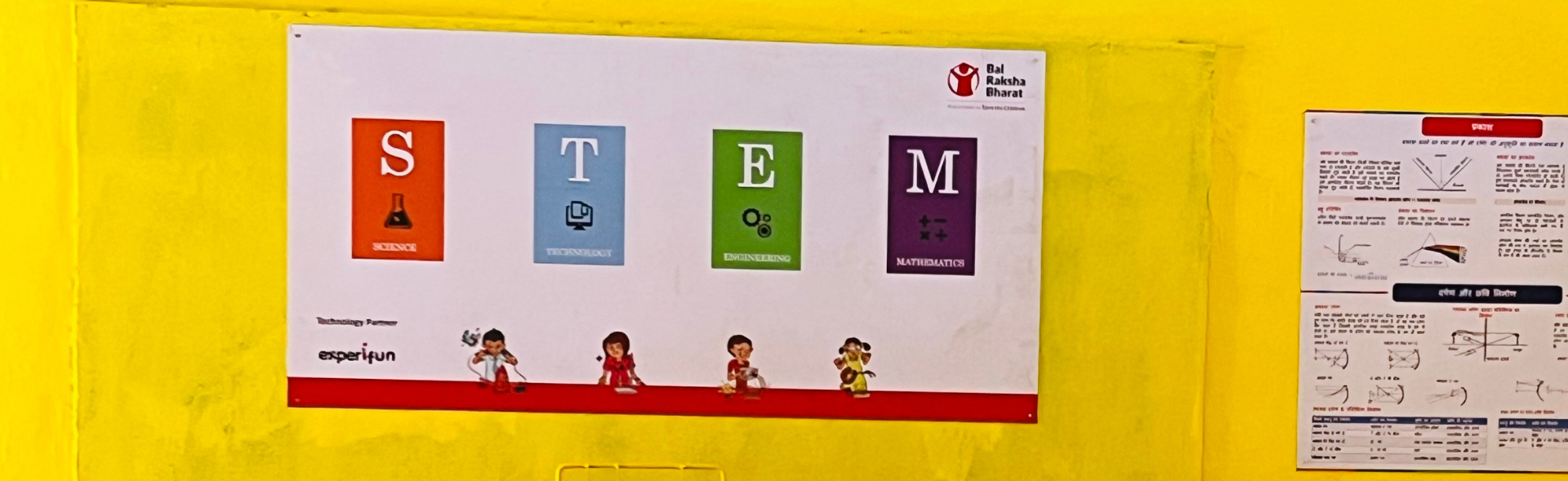
STEM education refers to an integrated approach to learning that combines science, technology, engineering, and mathematics. It focuses on developing practical knowledge alongside conceptual understanding.
Through STEM learning:
- Children engage in hands-on activities
- Concepts are connected to real-life situations
- Learning becomes interactive and meaningful
This approach plays an important role in strengthening child welfare by equipping children with essential life skills that prepare them for future challenges.
How STEM Education Builds Problem-Solving Skills
One of the most significant benefits of STEM education is its ability to enhance children’s problem-solving skills.
1. Encourages Critical Thinking
STEM learning pushes children to ask questions, analyse situations, and evaluate possible solutions rather than simply memorising answers.
2. Promotes Hands-On Learning
Children learn by doing. For example, instead of only studying water conservation, they may design simple filtration systems, making learning more practical and impactful.
3. Develops Analytical Skills
STEM activities involve observation, experimentation, and data analysis. This helps children understand cause-and-effect relationships and make informed decisions.
4. Builds Resilience Through Trial and Error
Mistakes are a natural part of STEM learning. Children learn to identify errors, improve solutions, and try again, which builds confidence and persistence.
5. Enhances Creativity and Innovation
By combining multiple disciplines, STEM encourages children to think creatively and develop innovative solutions to everyday challenges.
Read Also: The Ultimate Aim of Education: Building a Better Society
Role of STEM Education in India
India is increasingly recognising the importance of STEM education in shaping future-ready learners. The National Education Policy (NEP) 2020 promotes experiential and skill-based learning, encouraging children to understand concepts through application rather than rote learning.
STEM programmes in schools are helping children:
- Connect theory with practical application
- Understand interdisciplinary learning
- Prepare for emerging fields such as artificial intelligence, renewable energy, and biotechnology
This shift is helping build a generation capable of adapting to a rapidly changing world.
Importance of STEM in Rural and Underserved Areas
Access to quality STEM education is especially important in rural India, where learning opportunities may be limited.
STEM initiatives help:
- Bridge the rural–urban education gap
- Provide exposure to technology and innovation
- Create equal learning opportunities
Many educational NGOs in India are working to make STEM learning accessible through community programmes, digital tools, and hands-on workshops.
Role of NGOs in Promoting STEM Learning
An focused on education plays a key role in expanding access to STEM education, particularly in underserved communities.
Their efforts include:
- Setting up digital and science learning spaces
- Conducting practical workshops and experiments
- Training teachers in experiential learning methods
- Providing mentorship and career guidance
These initiatives support child welfare by ensuring that children gain skills that go beyond academics.
How Bal Raksha Bharat Supports STEM Education
Bal Raksha Bharat (also known as Save the Children India) integrates STEM learning into its education programmes to promote critical thinking and innovation among children.
Working since 2004, the organisation has impacted more than 10 million children through over 60 programmes across education, healthcare, nutrition, protection, inclusion, resilience, disaster relief, and emergency preparedness.
Through STEM-focused initiatives, the organisation:
- Conducts interactive workshops and activities
- Encourages problem-solving through practical exposure
- Supports schools with learning resources
- Promotes curiosity-driven learning environments
These efforts help children become confident, capable, and future-ready.
Conclusion
STEM education is transforming the way children learn by encouraging them to think critically, solve problems, and innovate. It plays a vital role in preparing children for future challenges while strengthening overall child welfare.
With continued efforts from schools, communities, and organisations, STEM education can empower children across India to build a brighter and more sustainable future.
FAQs
-
What is STEM education and why is it important for children?
STEM education focuses on science, technology, engineering, and mathematics to build practical knowledge and critical thinking. It is important because it prepares children for real-world challenges and future careers.
-
How does STEM education improve problem-solving skills in children?
STEM education encourages children to analyse situations, experiment with solutions, and learn from mistakes. This process helps them develop logical thinking and effective problem-solving abilities.
-
What are the benefits of STEM education in India?
STEM education improves learning outcomes, promotes innovation, and prepares children for emerging career opportunities. It also supports skill-based learning aligned with modern education systems.
-
How do NGOs support STEM education in rural areas?
NGOs focused on education in India promote STEM learning by setting up digital classrooms, conducting workshops, and providing hands-on learning opportunities for children in underserved communities.
-
How does STEM education contribute to child welfare?
STEM education strengthens child welfare by developing essential skills such as critical thinking, communication, and adaptability, helping children become confident, capable individuals.

“I am an editor and technical specialist at Bal Raksha Bharat, responsible for publishing articles and posts. My role involves evaluating content for consistency, and ensuring a positive user experience across the website."

Email Newsletter
Stay updated with our latest blog posts and offers.
Categories

Popular Posts
- 10 inspiring self-made women entrepreneurs in india - 50221 views
- 80G Explained: Which Donations Qualify for Tax Benefits in India - 31176 views
- Top Ways to Protect Children and Support Their Development in India - 28403 views
- What are the major causes of gender inequality? - 27311 views
- Role of Youth in Nation Building: Empowering Youth for a Stronger India - 26629 views