
How donating school supplies can support children’s learning
 02/11/26
 Blog
 5
Access to school supplies can help children participate in classroom activities, develop learning habits and make the most of their education. For children who have limited access to educational resources, books, notebooks, pencils, and other learning materials can make everyday learning more accessible.
Individuals, communities and corporate organisations can contribute to educational initiatives by donating school supplies or supporting NGOs and charitable trusts that work to improve access to education. These contributions can help children access the materials they need to practise reading, writing, drawing and other skills.
Donating school supplies is a practical way to support children’s education in India. By contributing appropriate learning materials through a trusted organisation, you can help create a more supportive learning environment for children.
Why Are School Supplies Important for Children’s Learning?
Every child needs access to suitable learning resources to develop skills and explore their potential. School supplies such as notebooks, pencils, textbooks and activity materials help children practise writing, reading, drawing and problem-solving, both in the classroom and at home.
These resources can also encourage curiosity, creativity and independent learning. Donate for School Supplies initiatives can help provide essential educational materials to children who need them. Having the right resources can make it easier for children to complete assignments, revise lessons, and participate in classroom activities.
What School Supplies Can Children Use for Learning?
Children use a variety of school supplies to support their learning, from basic stationery to books and activity-based resources. Digital devices can also supplement traditional learning materials where appropriate infrastructure and support are available.
Here are some common school supplies and how they can contribute to children’s learning.
Notebooks, Pens and Pencils
Basic stationery such as notebooks, pens, pencils, and handwriting practice books are used in everyday schoolwork. They help children practise writing, take notes, complete assignments and develop their handwriting skills.
Individuals can donate these supplies through an NGO or charitable trust that supports children’s education. Choosing age-appropriate materials based on the children’s school requirements can help ensure that the donations are useful.
Textbooks, Storybooks and Reading Materials
Donations for education can help children access textbooks, storybooks and other reading materials that complement classroom lessons.
Textbooks support learning and revision, while storybooks can encourage reading habits, develop vocabulary and stimulate imagination. Donating suitable books to community libraries, school libraries or NGOs that run reading programmes can help make educational resources accessible to more children.
School Bags and Other School Supplies
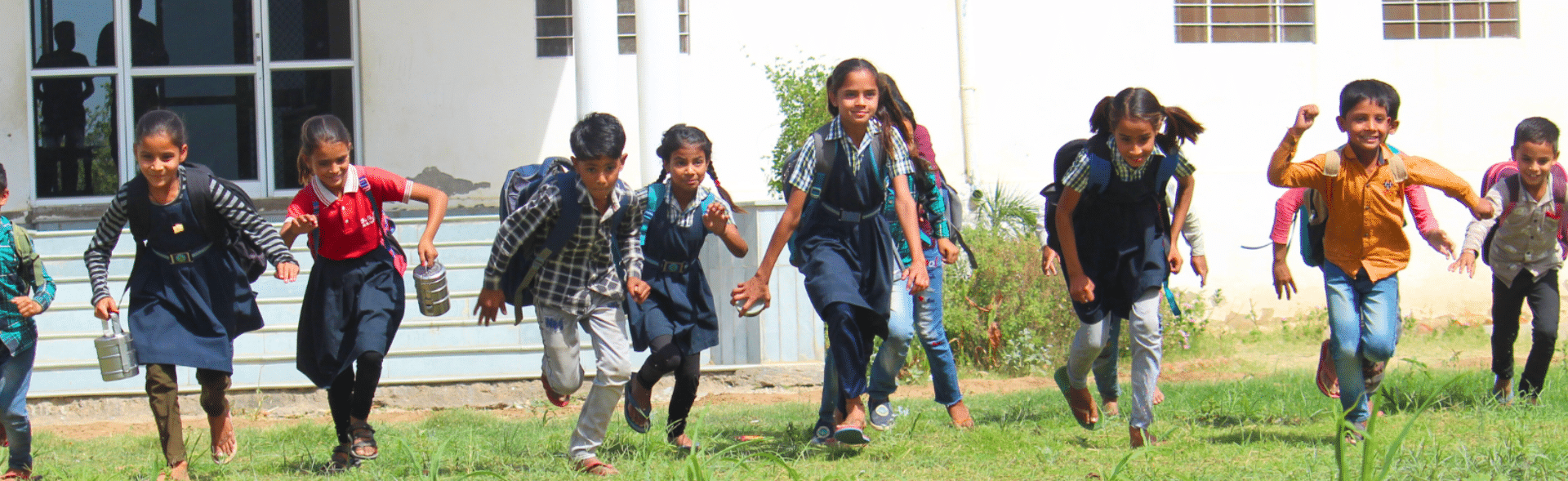
School bags, pencil boxes, water bottles and lunch boxes help children carry and organise their everyday school things. These items can support children’s participation in school by making it easier to manage their books, stationery and other belongings.
When donating school supplies, choose durable, age-appropriate products that meet children’s needs. Coordinating with the receiving school or NGO can also help prevent unnecessary or unsuitable donations.
Art, Mathematics and Activity-Based Learning Materials
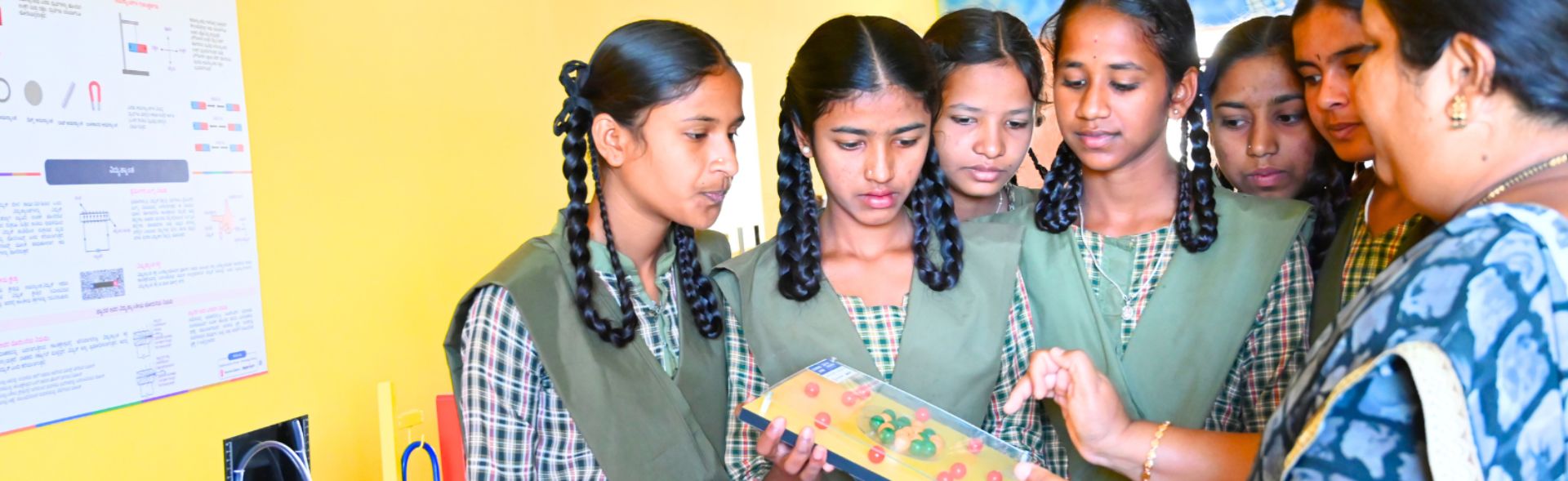
Drawing books, crayons, geometry sets, counting tools and other activity-based learning materials can make lessons more engaging. These resources allow children to practise concepts through creative exercises, hands-on activities and problem-solving tasks.
For example, counting tools can help younger children understand basic numeracy, while art supplies encourage creative expression. Donating suitable activity materials can support different learning needs and make classroom activities more interactive.
How Donating School Supplies Can Support Children’s Education
Donating educational materials can help children practise skills, participate in classroom activities and continue learning outside school hours. When choosing school supplies to donate, consider the children’s ages, educational needs and the requirements of the schools or organisations receiving them.
Digital learning resources, including tablets and laptops, may also support access to online lessons, educational videos and interactive learning platforms. However, these devices are most useful when children have access to suitable educational content, connectivity and guidance.
It is important to donate through a verified charitable trust or NGO working for education that can assess local needs and distribute resources appropriately.
When provided effectively, school supplies can support teachers in organising classroom exercises, group activities and individual learning tasks. These contributions can also help extend educational support to children in underserved and remote communities across India.
Supporting Classroom Participation
School supplies can help children participate more actively in classroom learning.
- Improving participation: Books, notebooks, pens and pencils allow children to complete written exercises, take notes and contribute to classroom activities.
- Encouraging collaborative learning: Shared reading materials and group activity resources can help children participate in discussions, work together and learn from one another.
- Supporting classroom tasks: Appropriate learning materials enable teachers to organise exercises and activities that reinforce lessons taught in class.
Encouraging Independent Study
Learning and reading materials, along with notebooks, also increase focus on education and independent study habits in the classroom as well as at home. Regular practice helps children grow familiar with what they are learning and more confident in their abilities.
How NGOs Help Children Access Educational Resources
- Building school infrastructure: Construction of schools, learning centres, creating digital classrooms, etc.
- Arranging teachers: Adding educated people to the initiatives who are interested in contributing their skills.
- Learning materials: Give access to stationery items and study materials like notebooks, books, pens, pencils, and all other materials required for learning.
- Commitment: Most people want to contribute by taking some responsibility, such as providing school bags for children or installing a water filter in a school or study centre. These initiatives may demonstrate how individuals and organisations can responsibly contribute to child welfare.
By working with communities and understanding their requirements, NGOs can help direct educational resources towards children who need them most. Bal Raksha Bharat (also known as Save the Children) has been working for children since 2004 in 26 States and Union Territories and has reached over 11 million children. Your donation to Bal Raksha Bharat can help provide learning materials and other support to children who need it most.
Conclusion
School supplies are essential resources that support children’s education and are among the most important things a child needs . Donating for education is the best step towards child welfare, and a verified NGO like Bal Raksha Bharat is doing a great job in this field of providing children with access to quality education.
You can also encourage donations for education among your family members, acquaintances, workplace, and other places. You can add more people who will join these initiatives to help children so that they will get unparalleled quality education.
FAQs
1. Can I donate for education online?
Yes, you can donate online through the official website of a verified charitable organisation such as Bal Raksha Bharat. Available payment methods may include UPI, internet banking, cards, or other supported options. Check the organisation’s donation page for current payment methods.
2. How can I contribute to educational support for children?
You can contribute by donating books, notebooks, stationery, school bags, or funds to support educational initiatives. You may also volunteer your time, share your skills, or participate in donation drives organised by trusted NGOs and community organisations.
3. How can I contribute to Bal Raksha Bharat’s children’s education initiatives?
You can visit the official Bal Raksha Bharat website to explore available donation options and relevant programmes.
4. How can I encourage donations for education in society?
You can organise school supply collection drives, encourage workplace giving, involve community groups, and raise awareness about educational needs. Partnering with a trusted NGO can help ensure that donated resources reach children who need them.

“Naveen is an SEO expert and digital marketing analyst at Bal Raksha Bharat with a passion for helping businesses grow online. With a data-driven approach, he specializes in boosting search rankings, driving traffic, and optimizing digital strategies. Follow for tips on SEO, content, and marketing trends."

Email Newsletter
Stay updated with our latest blog posts and offers.
Categories

Popular Posts
- 10 inspiring self-made women entrepreneurs in india - 50446 views
- 80G Explained: Which Donations Qualify for Tax Benefits in India - 31408 views
- Top Ways to Protect Children and Support Their Development in India - 28420 views
- What are the major causes of gender inequality? - 28015 views
- Role of Youth in Nation Building: Empowering Youth for a Stronger India - 26694 views