Ngo foundation: what it is and how to support one effectively
 19/05/26
 Blog
Blog 361
361NGO foundations play an important role in strengthening communities and supporting child welfare and long-term social development across India. From improving access to education and healthcare to supporting child welfare and community development programmes, these organisations work to address social challenges through structured initiatives and local engagement.
Over the years, support from individuals, volunteers, and corporate social responsibility (CSR) partnerships has helped NGO foundations expand their reach and improve programme delivery. Understanding how an NGO foundation works can help individuals and organisations contribute more responsibly and effectively.
What Is an NGO Foundation?
An NGO foundation is a non-governmental, not-for-profit organisation that works towards public welfare and social development. These organisations operate independently and focus on areas that require long-term community support.
Common focus areas include:
- Education
- Healthcare
- Nutrition and community wellbeing
- Environmental sustainability
- Women empowerment
- Child welfare and protection
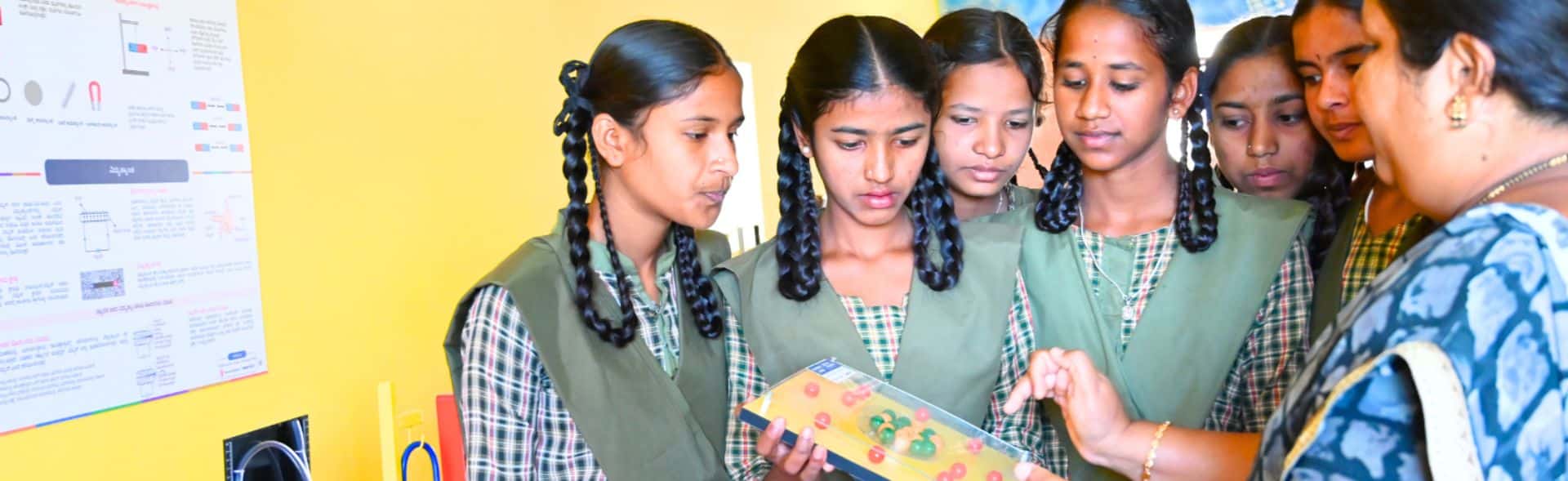
Many NGO foundations work directly with underserved communities and implement programmes at the grassroots level to improve access to essential services and opportunities related to education and healthcare.
Common Types of NGO Foundations in India
Trusts
Trusts are established under the Indian Trusts Act and are generally created for charitable and public welfare activities.
Societies
Societies are registered under the Societies Registration Act and often work in areas such as education, research, awareness, and community development.
Section 8 Companies
Section 8 companies operate as not-for-profit entities with structured governance systems. They are established for charitable objectives such as education, social welfare, healthcare, or environmental initiatives.
Key Characteristics of an NGO Foundation
Most NGO foundations share certain common features:
- Focus on social and community development
- Work towards sustainable and inclusive growth
- Depend on donations, grants, and CSR support
- Operate through structured programmes and partnerships
- Collaborate with communities, institutions, and volunteers
- Maintain accountability and programme transparency
How NGO Foundations Work
The work of an NGO foundation usually begins with identifying social challenges within communities and developing programmes to address them.
Programme Implementation
NGO foundations often implement structured programmes focused on specific areas of need.
These may include:
- School support initiatives
- Nutrition and healthcare programmes
- Skill development workshops
- Community awareness campaigns
- Child protection and safety initiatives
- Learning and digital education support
An organisation working in child welfare, for example, may focus on improving access to education, healthcare, nutrition, protection, and community support systems.
Partnerships and Collaboration
Partnerships are essential for improving programme reach and impact.
NGO foundations often collaborate with:
- Educational institutions
- Healthcare organisations
- Volunteers and community groups
- Development agencies
- Corporate organisations through CSR partnerships
Such collaborations help strengthen programme implementation and support sustainable outcomes.
Key Areas NGO Foundations Focus On
Education
Education remains one of the most important focus areas for many organisations in India.
A ngo for education in India may work on:
- School enrolment support
- Teacher training initiatives
- Digital learning access
- Early childhood education
- Scholarship and learning support
- Classroom and infrastructure improvement
Healthcare
Healthcare-focused programmes often support:
- Community health awareness
- Nutrition initiatives
- Medical camps
- Maternal and child healthcare
- Hygiene and sanitation awareness
- Mental health awareness
Child Welfare
Many organisations also work on improving child welfare through:
- Safe learning environments
- Nutrition and healthcare support
- Community protection systems
- Emotional wellbeing programmes
- Family and community support initiatives
Gender Equality and Inclusion
Some NGO foundations also support programmes focused on:
- Women empowerment
- Skill development initiatives
- Financial literacy awareness
- Educational access for girls
- Community participation programmes
How to Support an NGO Foundation Effectively
Supporting an NGO foundation responsibly can help create a meaningful and sustainable impact.
Financial Contributions
Donations remain one of the most direct ways to support social development programmes.
Before contributing, individuals should:
- Verify registration details
- Review annual reports and programme updates
- Understand how funds are utilised
- Check transparency and accountability practices
Today, many organisations also provide secure options for online donations in India, making contributions easier and more accessible.
Volunteering
Support does not always need to be financial. Individuals can also contribute by volunteering their time and skills.
Volunteering opportunities may include:
- Teaching and mentoring
- Event support
- Awareness campaigns
- Professional skill-sharing
- Digital and communication support
Awareness and Advocacy
Raising awareness is another important way to support social causes.
People can contribute by:
- Sharing verified campaigns responsibly
- Encouraging community participation
- Supporting awareness programmes
- Promoting informed discussions on social development issues
Corporate Social Responsibility (CSR) Support
Businesses today increasingly contribute through corporate social responsibility initiatives.
Many companies allocate CSR funding to support social development projects aligned with national priorities.
What Is CSR Funding?
CSR funding refers to financial support provided by eligible companies towards approved social development initiatives under corporate social responsibility obligations.
CSR support commonly focuses on areas such as:
- Education
- Healthcare
- Environmental sustainability
- Community development
- Child welfare
- Skill development
Partnerships between companies and NGO foundations help improve programme reach and strengthen community-level impact.
How to Choose the Right NGO Foundation
Before supporting or partnering with an NGO foundation, it is important to carefully evaluate several factors.
Transparency
Look for organisations that provide:
- Clear financial reporting
- Programme updates
- Verified registration details
- Public accountability information
Programme Impact
Review how programmes are implemented and whether they create measurable community outcomes.
Credibility
Check for:
- Proper legal registration
- Organisational experience
- Ethical operational practices
- Verified partnerships and governance standards
Conclusion
NGO foundations continue to play a vital role in strengthening communities and supporting long-term social development across India. Their work across education, healthcare, nutrition, protection, inclusion, resilience and child welfare helps improve access to opportunities and essential services.
Whether through donations, volunteering, awareness, or CSR partnerships, responsible support can contribute sustainable and meaningful impact. At Bal Raksha Bharat, programmes focused on education, healthcare, nutrition, protection, inclusion, resilience, and community development continue to support children and families across India.
Frequently Asked Questions
1. What is an NGO foundation?
An NGO foundation is a not-for-profit organisation that works towards social welfare and community development through structured programmes and initiatives.
2. How can individuals support an NGO foundation?
People can support by donating, volunteering, running awareness campaigns, sharing skills, and participating responsibly in the community.
3. What is CSR funding?
CSR funding refers to financial support provided by eligible companies towards approved social development initiatives under corporate social responsibility programmes.
4. How do I verify whether an NGO foundation is credible?
You can review registration details, financial transparency, annual reports, programme updates, and organisational governance practices.
5. Why are partnerships important for NGO foundations?
Partnerships help organisations improve programme reach, strengthen implementation, and create more sustainable community impact.

“Naveen is an SEO expert and digital marketing analyst at Bal Raksha Bharat with a passion for helping businesses grow online. With a data-driven approach, he specializes in boosting search rankings, driving traffic, and optimizing digital strategies. Follow for tips on SEO, content, and marketing trends."

Email Newsletter
Stay updated with our latest blog posts and offers.
Categories

Popular Posts
- 10 inspiring self-made women entrepreneurs in india - 49852 views
- 80G Explained: Which Donations Qualify for Tax Benefits in India - 31008 views
- Top Ways to Protect Children and Support Their Development in India - 28379 views
- Role of Youth in Nation Building: Empowering Youth for a Stronger India - 26566 views
- What are the major causes of gender inequality? - 25807 views