


9th Rashtriya Poshan Maah 2026: Hamari Anganwadi, Hamari Jimmedari
Rashtriya Poshan Maah, observed every September, is a nationwide effort to raise awareness on child nutrition, maternal health, and early childhood development. The 9th edition, observed in September 2026, is built around the theme “Hamari Anganwadi, Hamari Jimmedari,” placing community ownership of Anganwadi Centres at the centre of the conversation on nutrition and early care.
This year’s Poshan Maah is anchored in five priorities: promoting dietary diversity and adequate protein intake; encouraging fresh and diverse Hot Cooked Meals; strengthening community participation and ownership through Anganwadi Management Committees; linking nutrition with cognitive development and Early Childhood Care and Education; and marking ten years of the Pradhan Mantri Matru Vandana Yojana, India’s maternity benefit programme.
At Bal Raksha Bharat (also known as Save the Children India), child nutrition sits at the core of our health and nutrition work. Every September, we use Poshan Maah as an occasion to spotlight the everyday realities of child and maternal nutrition in India and to share what H2: Programme Details
Diets in many households remain cereal-heavy, with limited intake of protein, fruits and vegetables. Bal Raksha Bharat works directly with communities to close this gap — through growth monitoring, maternal and adolescent nutrition counselling, and promotion of diverse, locally available foods that support healthy development in the first years of life.
Since 2004, Bal Raksha Bharat has worked across 26 States and Union Territories in India, reaching 11 million children through more than 60 programmes spanning education, healthcare, nutrition, protection, inclusion, resilience, disaster relief and emergency preparedness. Nutrition remains one of the pillars of this work, particularly during Poshan Maah, when we intensify community outreach on anaemia awareness, dietary diversity and responsive caregiving.
What is Rashtriya Poshan Maah?
Rashtriya Poshan Maah has been observed every September since 2018 as a month-long, community-driven effort to build nutrition literacy and encourage healthy caregiving practices among pregnant women, lactating mothers, children and adolescents. Over eight editions, the campaign has helped normalise conversations on maternal nutrition, infant and young child feeding, anaemia prevention, growth monitoring and hygiene across the country.
The 9th edition in 2026 builds on this momentum, with a sharper focus on the role of the Anganwadi Centre as a hub for nutrition, care and early learning in every community.
Key Themes of the 9th Rashtriya Poshan Maah 2026
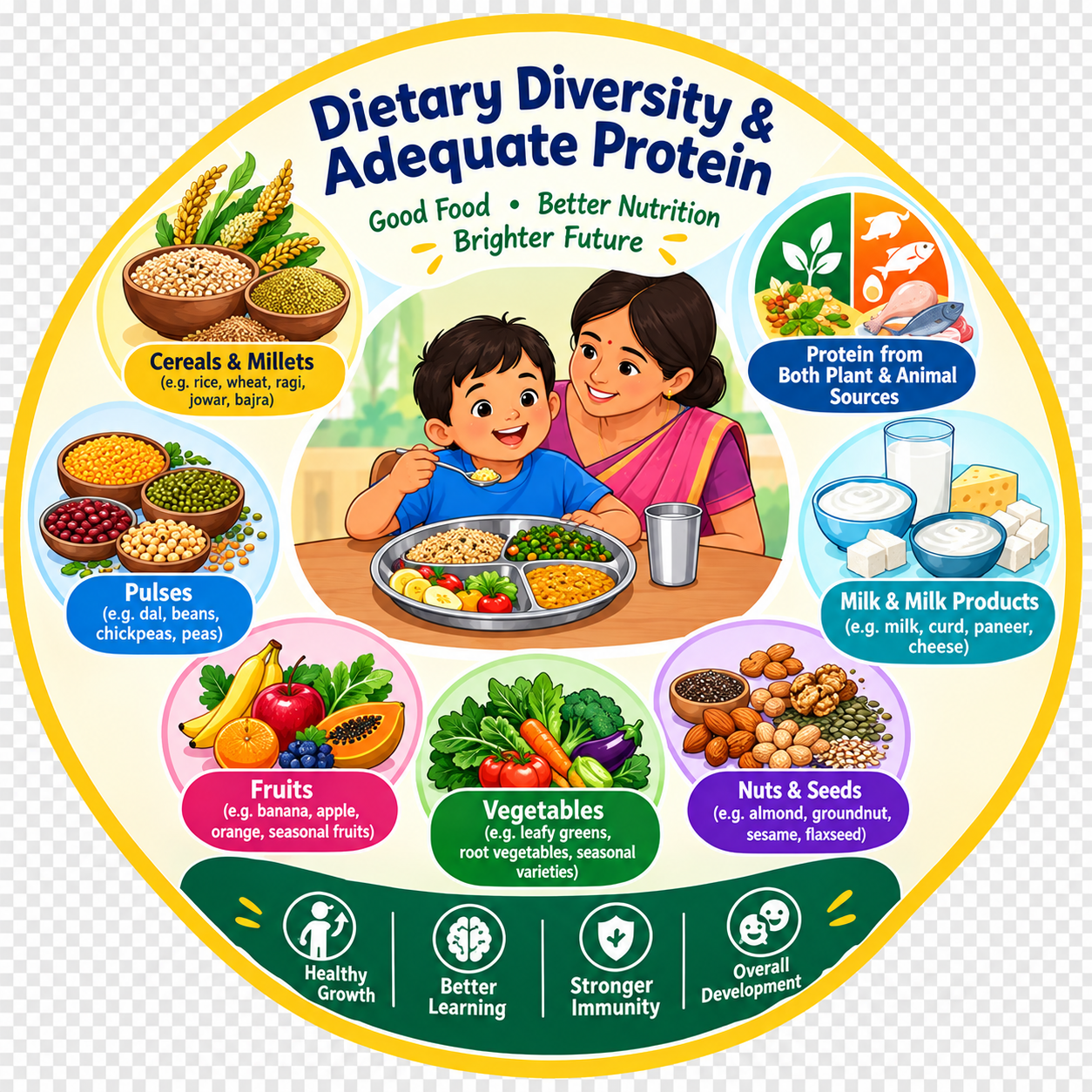
Dietary Diversity & Adequate Protein Encourages families to include cereals and millets, pulses, fruits and vegetables, nuts and seeds, and milk and milk products in daily meals, with a particular focus on adequate protein from both plant and animal sources — essential for healthy growth and development.
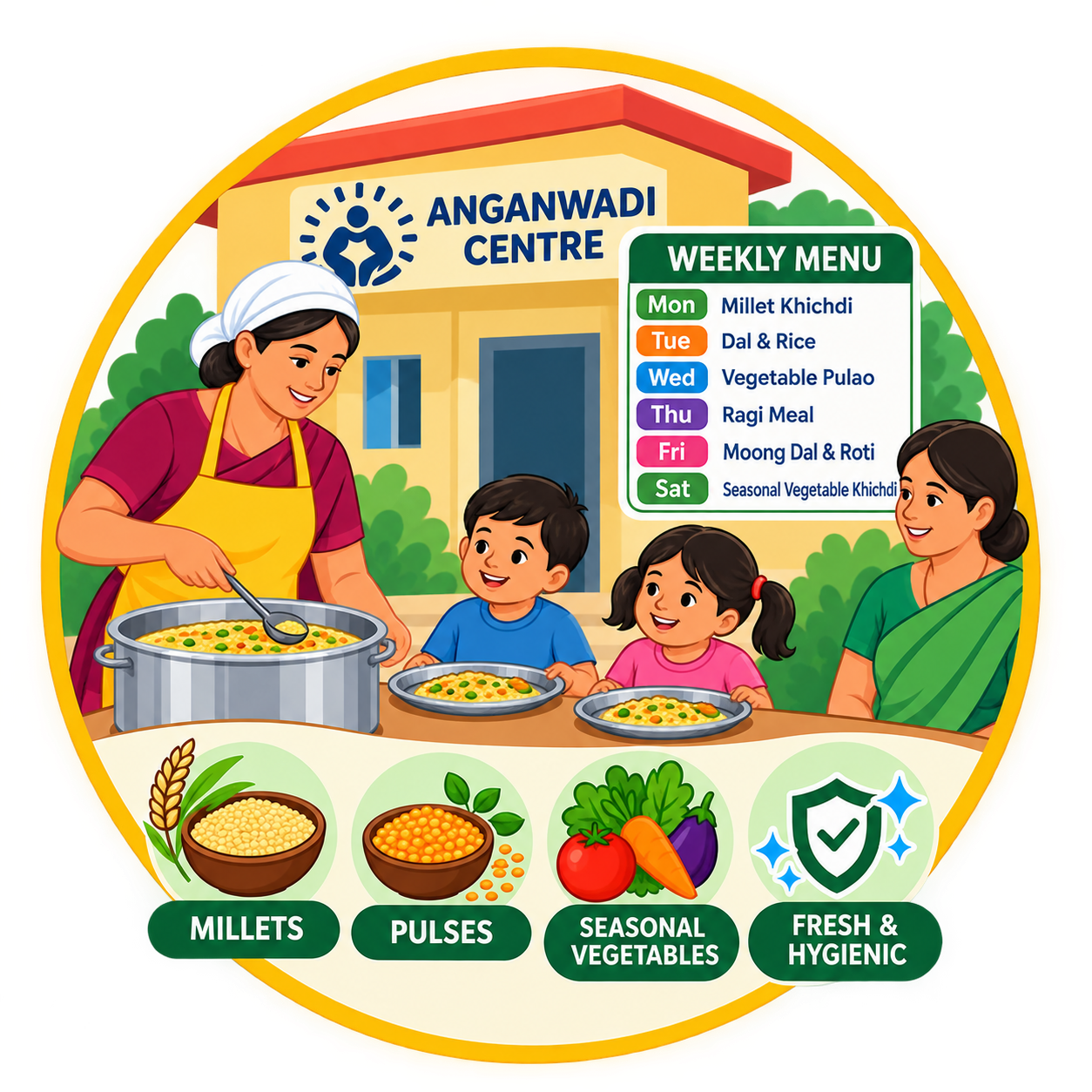
Fresh Hot Cooked Meals (HCM) at Anganwadi Centres: Focuses on ensuring children and mothers consistently receive fresh, hygienic and diverse Hot Cooked Meals through weekly menu rotation using locally available ingredients such as millets, pulses and seasonal vegetables.
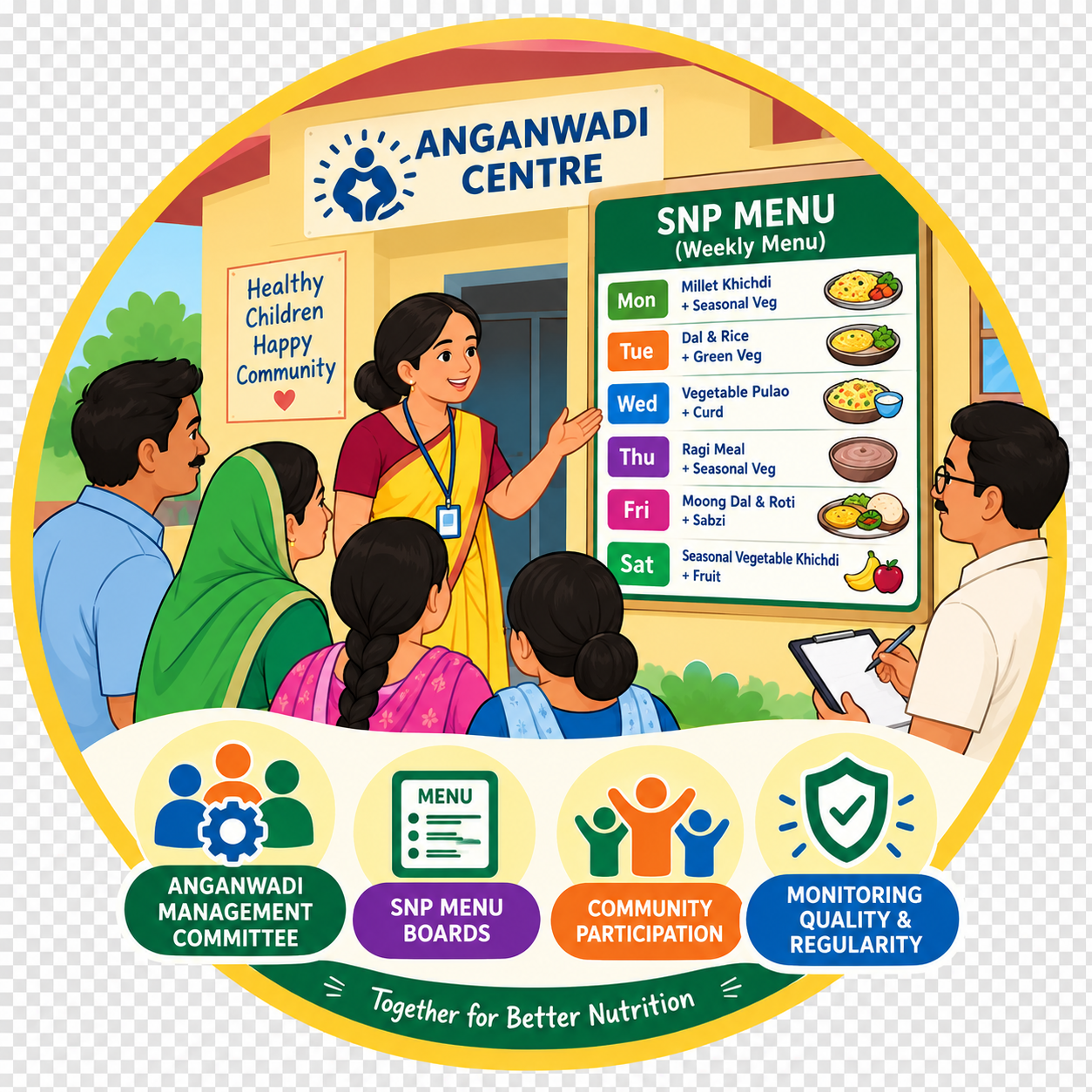
Community Ownership & Accountability: Explores the role of Anganwadi Management Committees and the display of SNP Menu Boards in making nutrition entitlements and daily menus visible to the community, encouraging local participation in monitoring meal quality and service regularity.
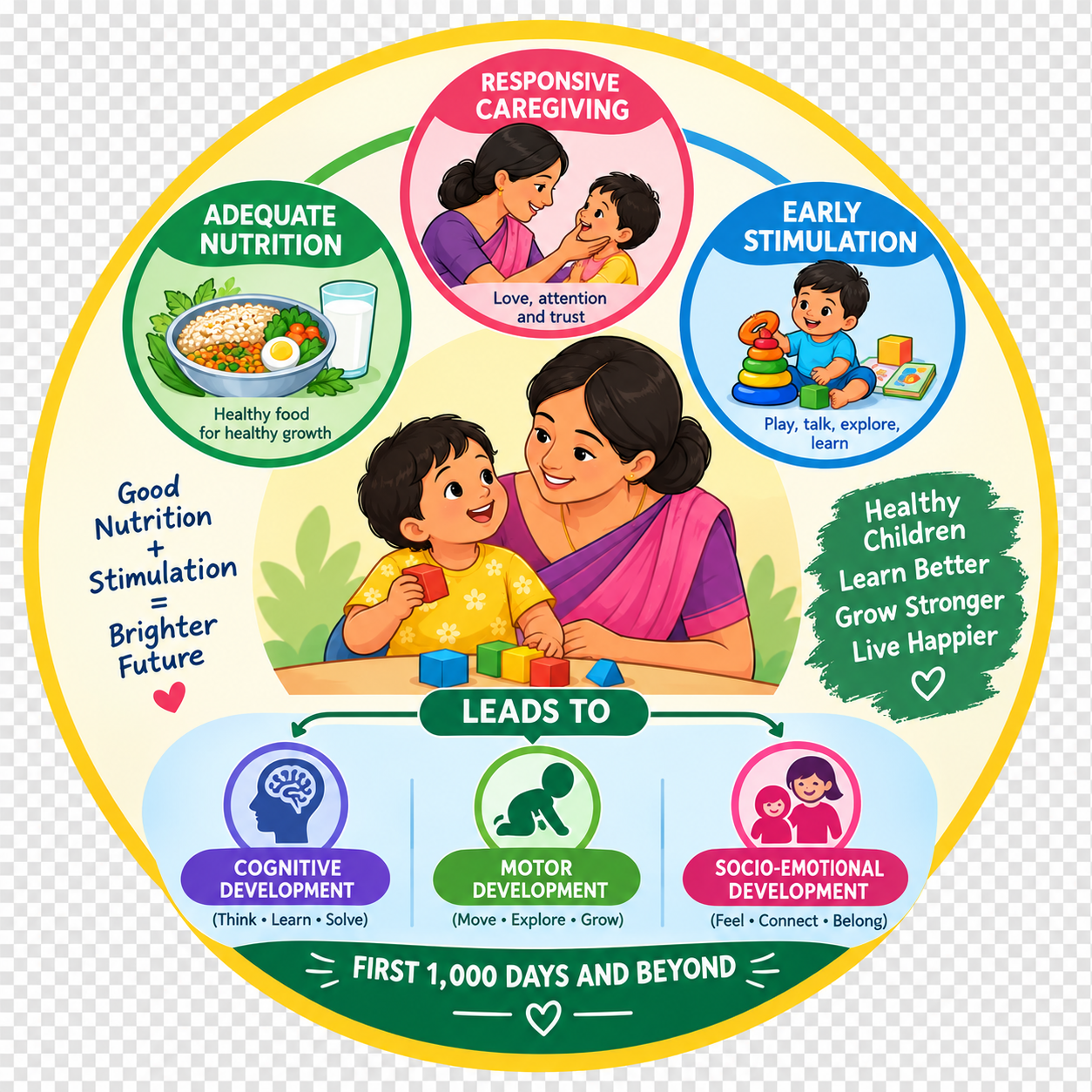
Nutrition and Early Stimulation for Childhood Development: Highlights the link between what a child eats and how a child learns, bringing together adequate nutrition, responsive caregiving and early stimulation as foundations for cognitive, motor and socio-emotional development during the first 1,000 days and beyond.
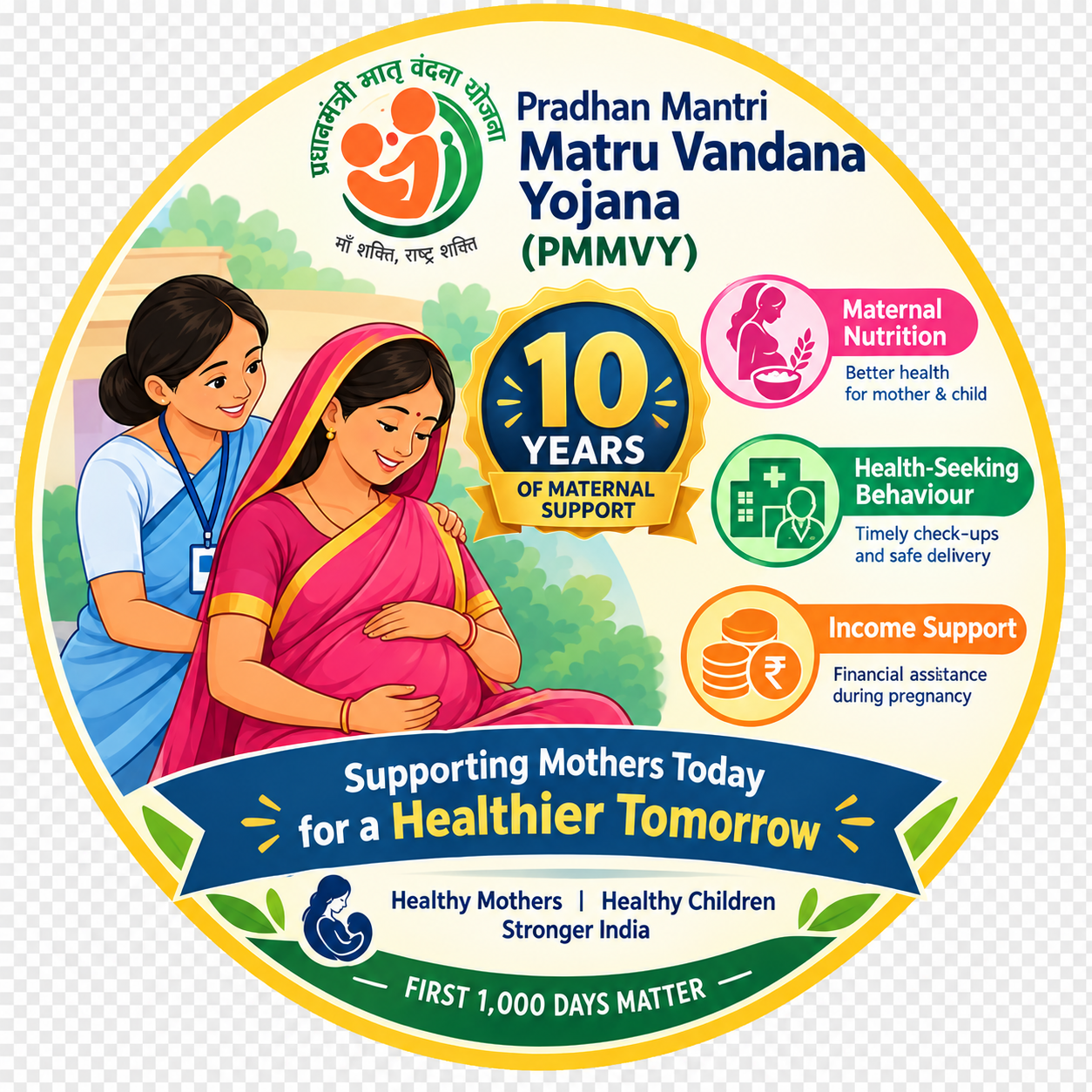
Pradhan Mantri Matru Vandana Yojana (PMMVY): Ten Years of Maternal Support: Marks a decade of India’s maternity benefit programme, which has supported maternal nutrition, health-seeking behaviour and income support during pregnancy — reinforcing the importance of maternal care during the first 1,000 days of a child’s life.
Why Poshan Maah is Crucial
Poshan Maah offers a yearly opportunity to bring nutrition into everyday conversation at the household and community level. This year’s themes – from dietary diversity and protein intake to community ownership of Anganwadi Centres and the milestone of PMMVY completing ten years – reflect a wide-ranging approach to nutrition that goes beyond food alone to include caregiving, learning and community participation.
By working alongside Anganwadi workers, community volunteers and local institutions, and by anchoring our efforts in social and behaviour change communication, Bal Raksha Bharat aims to support families in building sustainable, everyday nutrition practices that last well beyond the month of September.
Bal Raksha Bharat’s Role in Strengthening Anganwadi-Led Nutrition
At Bal Raksha Bharat, the Anganwadi Centre is at the heart of our community nutrition work, as it remains the first point of contact for nutrition, health and early learning for most young children and mothers in a community. Our efforts to strengthen Anganwadi-led nutrition include:
- Capacity building of Anganwadi Workers and frontline functionaries, equipping them with the knowledge and tools to identify and manage cases of children requiring additional nutrition support.
- Community-based growth monitoring conducted in and around Anganwadi Centres, with regular counselling for children and mothers.
- Maternal and adolescent nutrition support, delivered through Anganwadi Centres and home visits, aimed at strengthening nutrition and healthy development across generations.
- Promoting dietary diversity and complementary feeding practices, using local, affordable foods demonstrated at the Anganwadi level.
Strengthening community participation in Anganwadi Centre activities, so that families take an active role in monitoring and supporting the nutrition services delivered to their children.
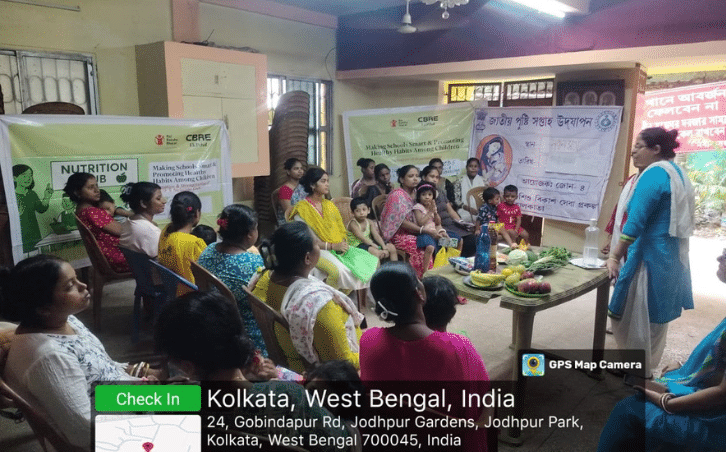
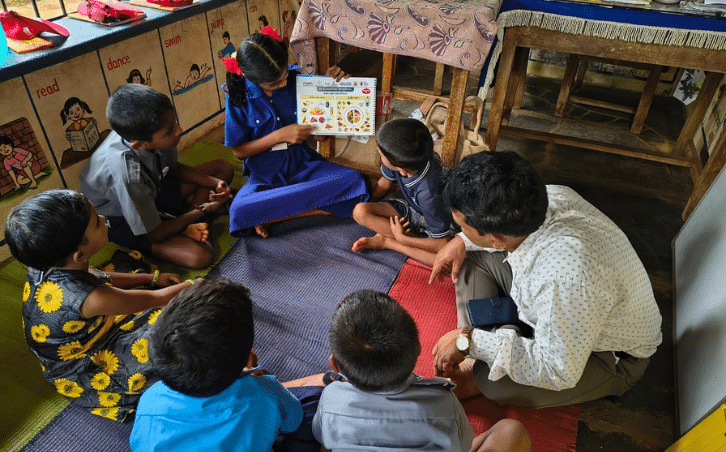
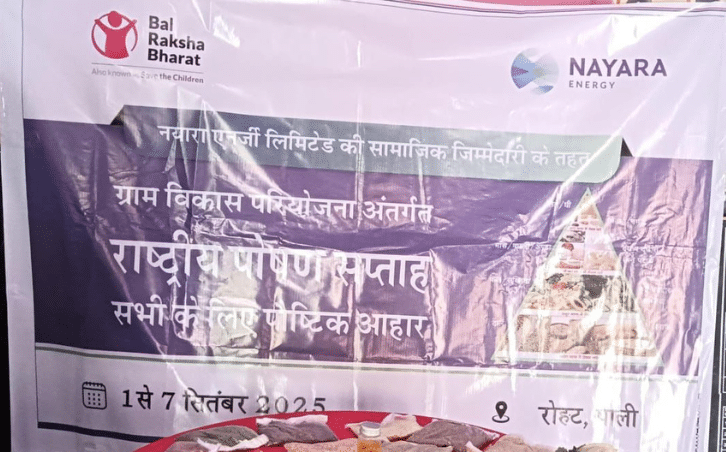
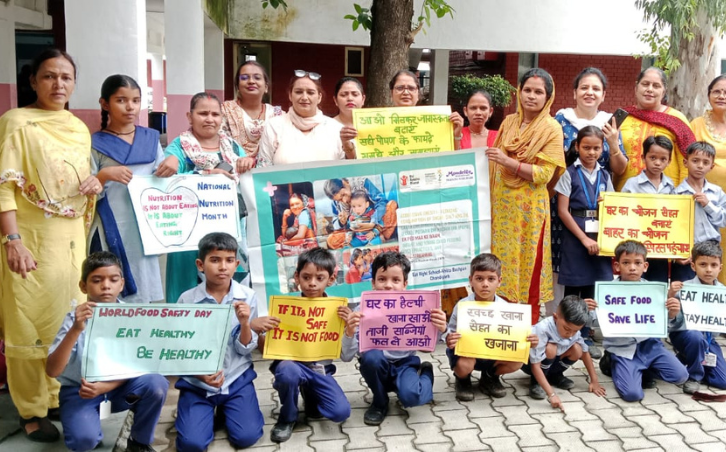
Highlights from Rashtriya Poshan Maah 2025
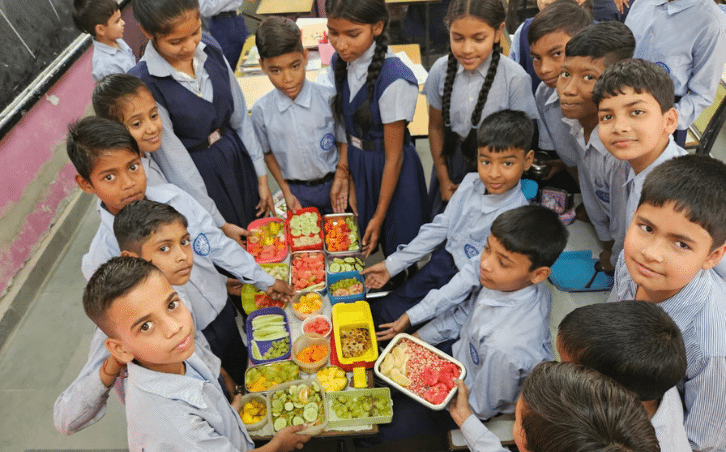
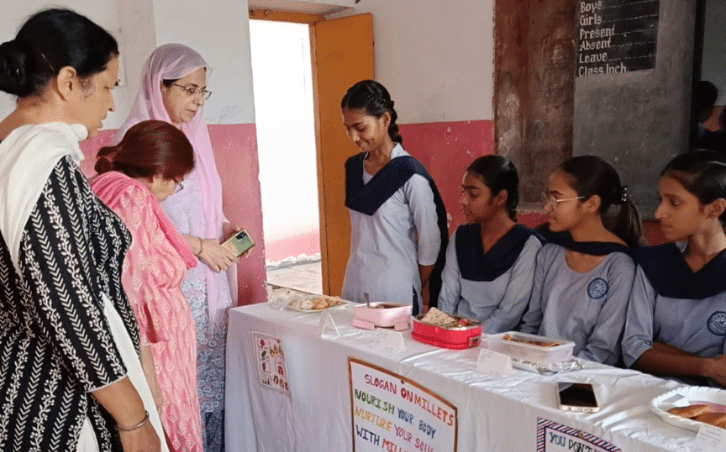
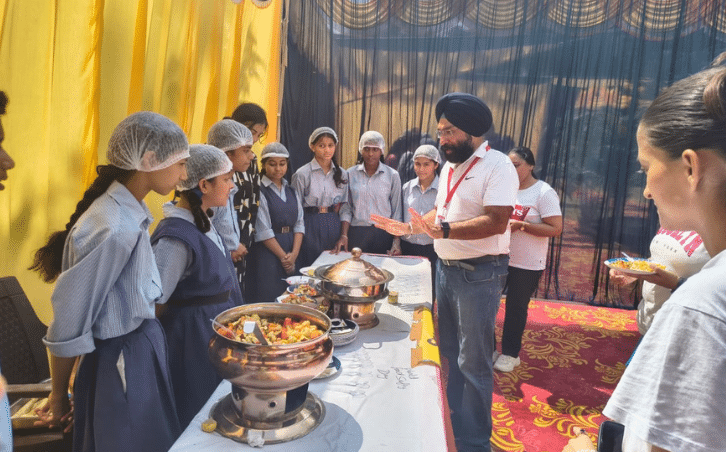
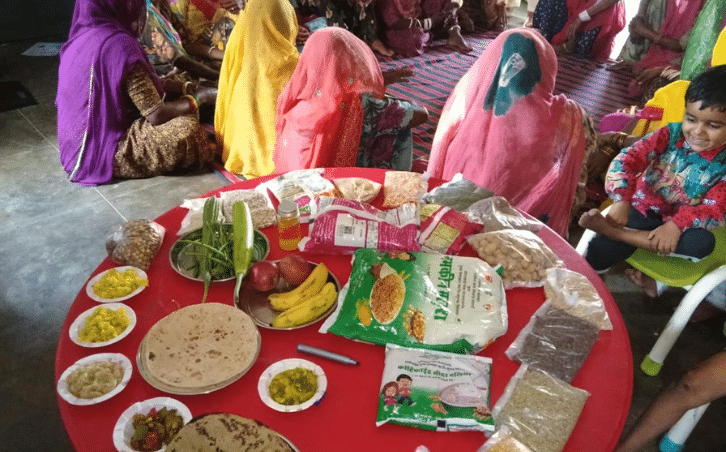
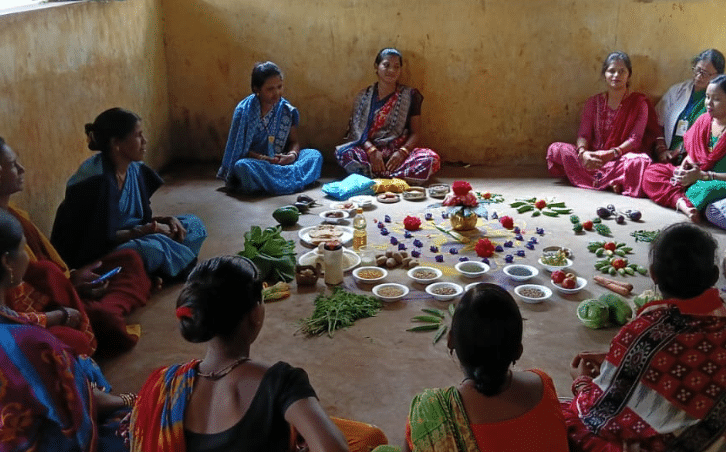
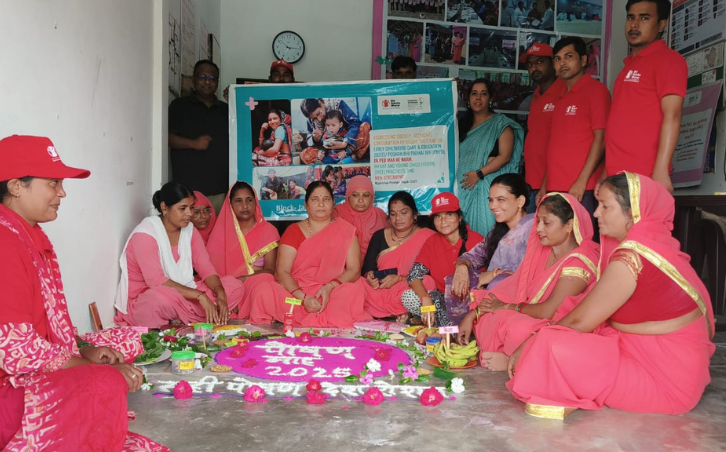
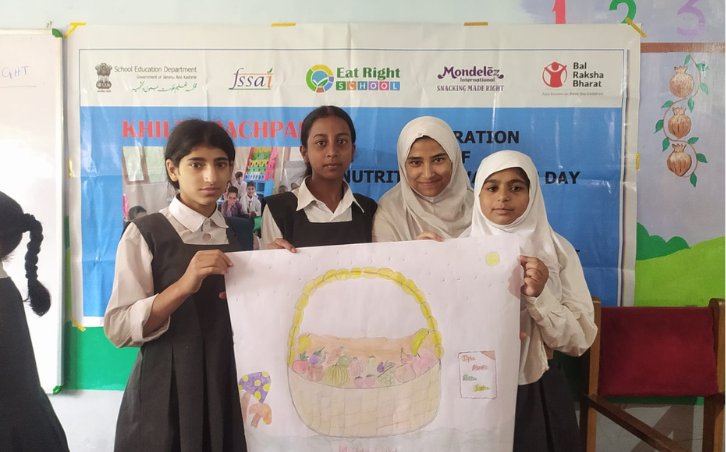
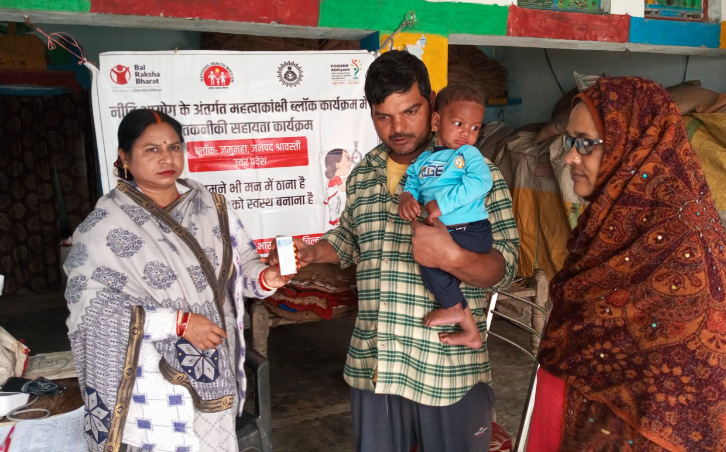
Strengthening Aspirational Block Program for Improved Nutritional Outcomes
In Jamunaha Block of Shravasti District, Uttar Pradesh
In Shravasti, the rural hinterland of the most populous state in the country, Uttar Pradesh, a poignant story unfolded. The collaborative partnership, between Department of Women & Child Development (DWCD), District Administration Shravasti and Bal Raksha Bharat, (also known as Save the Children) demonstrated a unique intervention to improve Children’s nutrition status in the block of Jamunaha, an Aspirational Block identified by NITI Aayog.
The proposed project model was conceptualized after receiving guidance from District Magistrate Shravasti and Chief Development Officer Shravasti. After a series of discussion with the relevant stakeholders and district health officials, the project model was conceptualized keeping the main objective of strengthening the coverage and quality of ICDS nutritional services and increase the reach of government services to the most marginalized families and improve the nutritional indicators.
The action plan for the project was also conceptualized having the following main points:
To extend support to the block ICDS and Block Development Officer to support the ongoing ICDS services
To undertake interventions to strengthen the existing service delivery platforms, knowledge, skills by enhancing the capacity of ICDS functionaries and front-line workers and strengthen community mobilization, beneficiary enrolment & tracking, and accountability using innovative tools
Through comprehensive training, their journey began with empowering the frontline workers – Anganwadi workers, ASHAs Sanginis, and ANMs. These unsung heroes were armed with the knowledge and tools to effectively identify and manage severe and moderate acute malnutrition cases utilizing innovative applications like Poshan Tracker and E-Kawach.
This dedication yielded remarkable results. The meticulously designed project led to an increasing number of children actively tracked from 26,179 in June 2023 to 29148 in May 2024 ensuring more children received vigilant healthcare. Most significantly, the percentage of SAM and MAM cases decreased substantially. In June 2023, SAM cases were 3.09%, but dropped to 1.20% by May 2024 through proper reporting, follow-up, and medication provision. MAM cases also fell from 7.27% to 2.71% over the same period, a remarkable nutritional status improvement.
Further, through regular meetings and collaboration with stakeholders, they fostered a culture of teamwork, enhancing program implementation and coordination. Their innovative convergence model exemplified effective cooperation among various entities, ultimately strengthening Integrated Child Development Services (ICDS) for the benefit of children. Through these meetings, the participants celebrated their achievements and documented their learnings and recommendations. Their comprehensive reports laid the groundwork for replicating their success across other districts, ensuring a lasting impact beyond Jamunaha. Thus, Jamunaha Block stood as a shining example of what collective action, dedication, and commitment could achieve for a community’s most vulnerable members.
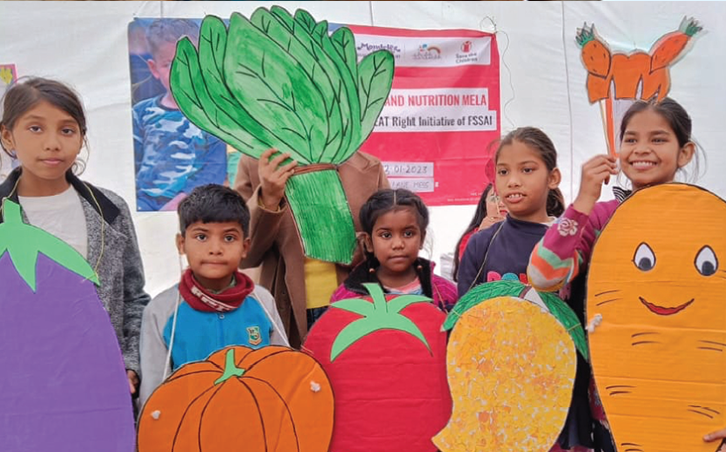
Eat Right Project:Improving Nutrition through a Multi-Sectoral Approach
Bal Raksha Bharat (BRB), in partnership with Mondelez India Foods Pvt. Ltd. and Food Safety and Standards Authority of India (FSSAI), has launched the Eat Right Schools programme, aimed at fostering a culture of safe, nutritious, and sustainable eating practices among schoolchildren. The initiative seeks to build awareness on the importance of nutrition, food safety, and hygiene in shaping the physical and cognitive development of children, thereby supporting their overall well-being.
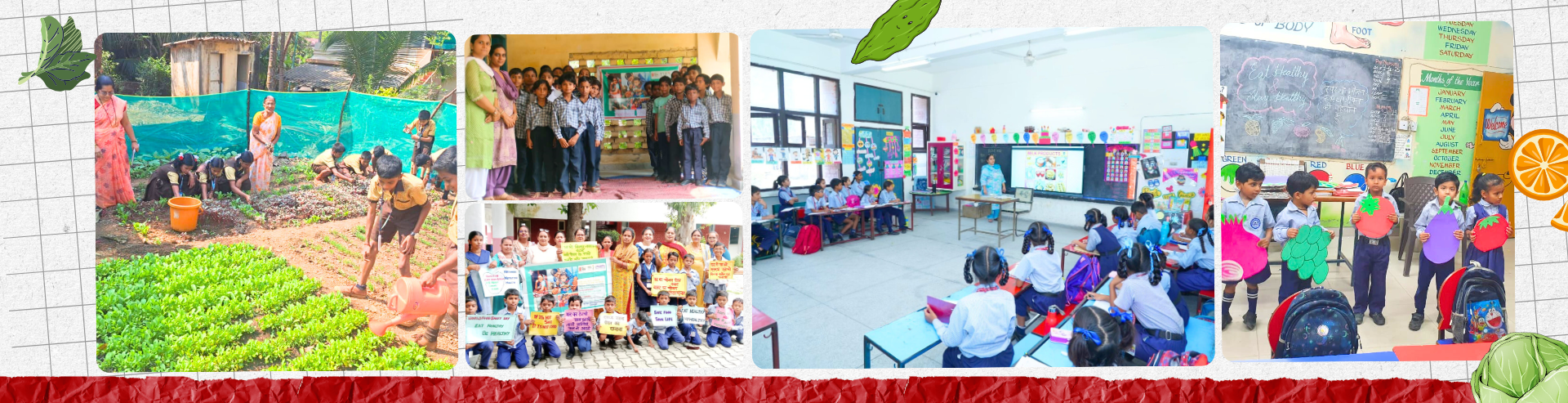
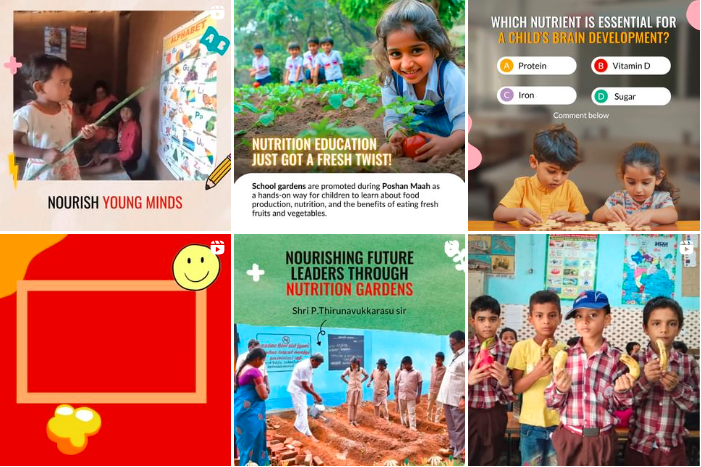
At the heart of this programme lies the objective to transform schools into nutrition-conscious environments, where students, staff, and families collectively engage in healthy food practices. Through structured Poshan Maah activities such as the formation of Sehat Clubs, the implementation of nutrition gardens, and food safety training (FoSTaC) for kitchen staff, Bal Raksha Bharat, a child NGO in India strives to instil long-lasting dietary habits in students.
The Eat Right Schools programme goes beyond classroom instruction, incorporating interactive and innovative Behaviour Change Communication (BCC) tools to actively engage students in health education. These tools, combined with the rigorous certification and hygiene rating of school kitchens, ensure that schools set the standard for safe food consumption, making them model institutions for promoting health and nutrition.
By creating empowered, health-conscious students, the programme aims to inspire a new generation to lead healthier lives and advocate for improved nutritional practices within their communities.
Food Safety Training (FoSTaC) and Hygiene Ratings for School Kitchens
Ensuring food safety in schools has been a priority for BRB, leading to the introduction of FoSTaC (Food Safety Training and Certification) training for kitchen handlers and a hygiene rating certification process for auditing school kitchens. This initiative supports the broader goal of certifying schools as “Eat Right Schools,” as part of the Eat Right School portal of the Food Safety and Standards Authority of India (FSSAI). The process includes comprehensive training on proper food handling, storage, kitchen layout, and personal hygiene for mid-day meal staff.
Through this program, 246 food handlers were trained, and 97 kitchens were audited, ensuring that food safety standards are consistently met across the board. The initiative has fostered a culture of continuous improvement, leading to safer, cleaner environments for preparing and consuming food. The structured audit and certification process ensures that schools adhere to high standards, reflecting BRB’s commitment to food safety and hygiene in educational institutions.
Strengthening of Sehat Clubs to Promote Healthy Habits in Schools
One of the most impactful initiatives has been the establishment and strengthening of Sehat Clubs, designed to foster a holistic approach to health education in schools. These clubs act as a dynamic platform for promoting not only physical health and hygiene but also mental well-being and nutritional education. The Sehat Clubs empower children as health advocates, where they learn and disseminate important messages on Safe and Nutritious Food (SNF) within their school environments.
Development of Nutrition Gardens in Schools
To supplement the nutrition education provided by the Sehat Clubs, BRB introduced the development of nutrition gardens within school premises. These gardens offer a sustainable and cost-effective means of enhancing dietary intake with fresh, organic ingredients grown on-site. By connecting children with nature, these gardens promote self-sufficiency, foster a sense of responsibility, and provide an engaging, therapeutic form of horticulture. The initiative was implemented across schools in Madhya Pradesh, Himachal Pradesh, and Tamil Nadu, resulting in the development of 30 kitchen gardens. BRB partnered with the local agricultural university in Tamil Nadu to provide technical guidance, ensuring the success of the initiative.
Promoting Healthy behaviour through Interactive behaviour Change Communication (BCC) Tools
The focus on fostering health and nutrition awareness within schools has been further strengthened by the use of behaviour Change Communication (BCC) tools. BRB has implemented various communication initiatives using Information, Education, and Communication (IEC) materials. These include the development of creative and engaging resources like the “Healthy Diary,” digital wall paintings, nutrition garden books, and sun boards for School Management Committees (SMC). Key messages such as “Eat Healthy, Eat Secure, Eat Sustainable” were communicated through fruit and vegetable calendars, posters, and interactive games
Key Highlights: The project has been a collaborative endeavor, bringing together a multitude of stakeholders. Its objectives were multi-faceted, including:
-
- Improving the knowledge, attitudes, and practices of communities while
- strengthening systems to deliver nutritious food.
- This initiative also supported the implementation approaches under the Rashtriya Bal Swasthya Karyakram program in schools
- Aiming to provide a replicable, cost-effective, and sustainable model for a “safe and nutritious food program in schools.
Some significant milestones have already been achieved through this incredible collaboration with FSSAI and Mondelez:


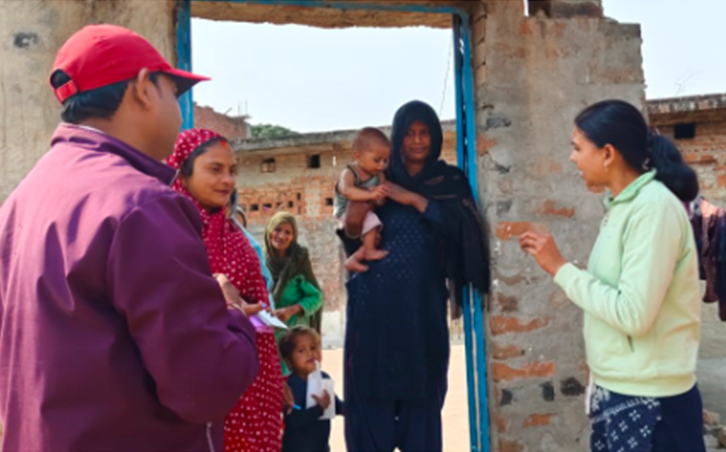
Improving Nutrition through a Multi-Sectoral Approach in Urban Slums of Mumbai’s N-Ward
Bal Raksha Bharat and K-Corp Charitable Foundation partnered on its commitment to addressing under-nutrition and improving child health in vulnerable communities through its project, “Improving Nutrition through a Multi-Sectoral Approach in Urban Slums of N-Ward, Mumbai Suburban District, Maharashtra.” The project aims to enhance the nutritional status of children under two years of age by delivering comprehensive nutrition actions at scale.
This initiative integrates various sectors, including health, Integrated Child Development Services (ICDS), and Water, Sanitation, and Hygiene (WASH), ensuring a holistic and sustainable approach to combating under-nutrition. By strengthening existing government services, the project seeks to create lasting change in the lives of children living in some of Mumbai’s most disadvantaged urban areas.
The central objective of this project is to reduce the prevalence of underweight and wasting among children under two years of age, building upon baseline data to track improvements. In pursuit of this goal, the project has set ambitious targets, which include ensuring that at least 80% of the households in the targeted urban slums receive quality, nutrition-specific interventions. This initiative also focuses on equipping caregivers with optimal knowledge of Infant and Young Child Feeding (IYCF) practices, emphasizing the importance of dietary diversity and meal frequency. By fostering awareness and behavioural change among caregivers, the project ensures that children receive the necessary nutritional support during their crucial developmental years.
The project operates through a range of carefully designed interventions. In collaboration with the ICDS and the Health Department of N-Ward, Ghatkopar, Bal Raksha Bharat delivers services that aim to improve both maternal and child health outcomes.
Join the movement to build a Suposhit and Samriddh Bharat — your contribution can empower women, children, and adolescent girls with better health, nutrition, and a brighter future.