Benefits of csr for companies beyond tax savings
 29/05/26
 Blog
Blog 397
397Corporate Social Responsibility (CSR) has evolved significantly over the past decade. Today, businesses increasingly view CSR as more than a compliance requirement or a tax-related obligation. Companies now recognise that responsible business practices can contribute to long-term growth, stronger stakeholder relationships, and sustainable brand value.
Consumers, employees, and investors increasingly expect organisations to contribute positively to society while maintaining ethical and sustainable business practices. As a result, CSR has become an important part of long-term business strategy across industries.
Through structured social development programmes and responsible partnerships, companies can contribute towards education, healthcare, environmental sustainability, and community development while also strengthening their organisational reputation and business resilience.
Why CSR Has Become a Business Priority
Business expectations have changed considerably in recent years. Modern consumers and stakeholders increasingly evaluate companies not only on products and services but also on their social and environmental impact.
Companies that actively support responsible initiatives are often perceived as:
- More trustworthy
- Community-focused
- Socially responsible
- Sustainability-driven
CSR also plays an important role in Environmental, Social, and Governance (ESG) frameworks, which influence investor confidence, corporate reputation, and long-term sustainability performance.
As businesses focus more on responsible growth models, CSR is becoming closely linked with long-term organisational credibility and resilience.
Key Benefits of CSR Beyond Tax Savings
While CSR may offer certain regulatory and tax-related advantages, the long-term business benefits often extend far beyond financial incentives.
Stronger Brand Reputation
Companies that support meaningful social initiatives often build stronger trust among customers, investors, and stakeholders.
Responsible business practices can help organisations:
- Improve public perception
- Strengthen customer loyalty
- Build long-term credibility
- Enhance brand positioning
Businesses associated with positive community impact are often viewed more favourably in competitive markets.
Improved Employee Engagement
Employees increasingly prefer organisations that demonstrate social responsibility and ethical business values.
Well-structured CSR programmes may contribute to:
- Better employee morale
- Higher workplace satisfaction
- Improved employee retention
- Stronger organisational culture
Participation in social impact initiatives can also help employees feel more connected to organisational values and purpose.
Stronger Community Relationships
Community-focused programmes can help businesses build positive and sustainable local relationships.
Long-term engagement with communities may support:
- Better collaboration opportunities
- Increased local trust
- Improved stakeholder relationships
- Greater social goodwill
Sustainable partnerships often create stronger long-term support systems for both businesses and communities.
Long-Term Business Sustainability
CSR initiatives can contribute to sustainable business growth by supporting broader social and economic development.
Investments in education, healthcare, skill development, and sustainability may help create:
- Better-informed communities
- Skilled future workforces
- Stronger local ecosystems
- Improved long-term market stability
Responsible business practices are increasingly linked with long-term resilience and sustainable growth strategies.
Role of CSR in Social Development
CSR programmes continue to support several important development sectors across India.
Education and Skill Development
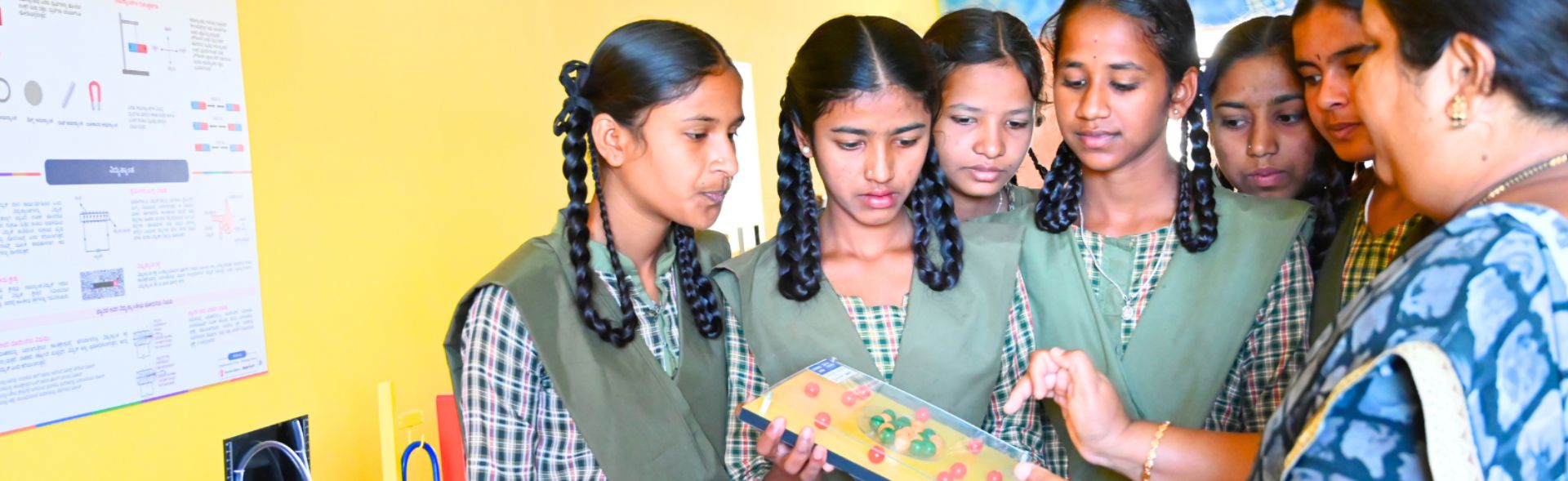
Many CSR initiatives focus on improving educational access and learning infrastructure through:
- Teacher training programmes
- Digital classrooms
- Learning resources
- School infrastructure support
- Skill development initiatives
Structured educational support can contribute towards long-term community development and improved opportunities for children and young people.
Healthcare and Nutrition
CSR-supported healthcare programmes often focus on:
- Community health awareness
- Nutrition support
- Medical camps
- Preventive healthcare initiatives
These programmes can help improve access to basic healthcare services in underserved communities.
Community Development
Businesses also support programmes related to:
- Water and sanitation
- Rural development
- Environmental sustainability
- Women’s empowerment
- Livelihood support
Such initiatives contribute towards broader social development and long-term sustainability goals.
Aligning CSR With Long-Term Business Goals
CSR programmes are often more effective when aligned with an organisation’s long-term values and operational priorities.
Strategic CSR planning may include:
- Identifying relevant social priorities
- Building sustainable partnerships
- Creating measurable impact frameworks
- Establishing accountability systems
Rather than focusing solely on short-term activities, many businesses now prioritise structured, scalable social development programmes.
Common Challenges Companies Face in CSR Implementation
Although CSR programmes create positive opportunities, organisations may also face operational challenges during implementation.
Measuring Impact
Assessing long-term programme outcomes and measurable social impact can sometimes be complex.
Partner Selection
Choosing experienced and compliant implementation partners is important for programme effectiveness and accountability.
Long-Term Sustainability
Ensuring continuity and scalability of programmes often requires consistent planning, monitoring, and collaboration.
Addressing these challenges through structured systems and transparent partnerships can help improve programme effectiveness.
Conclusion
Corporate Social Responsibility is increasingly becoming an important part of long-term business strategy rather than a standalone compliance activity. Companies that invest in structured social development programmes often strengthen stakeholder trust, improve employee engagement, support community development, and build stronger brand credibility over time.
As businesses continue to prioritise sustainability and responsible growth, long-term partnerships with implementation-focused organisations can help create measurable social impact across education, healthcare, environmental sustainability, and community development initiatives.
At Bal Raksha Bharat (also known as Save the Children India), we believe that collaborative and accountable partnerships can contribute to stronger, more sustainable support systems for children and communities across India.
Frequently Asked Questions
1. Why is CSR important for companies?
CSR helps companies strengthen brand reputation, stakeholder trust, employee engagement, and long-term sustainability efforts.
2. Can CSR improve a company’s brand image?
Yes, responsible business practices and community initiatives can positively influence public trust and corporate credibility.
3. What sectors are commonly supported through CSR in India?
Common sectors include education, healthcare, nutrition, environmental sustainability, skill development, and community welfare.
4. How does CSR support long-term business growth?
CSR can help businesses build stronger community relationships, improve stakeholder confidence, and support sustainable development goals.
5. Why are long-term CSR partnerships important?
Long-term partnerships often improve programme continuity, accountability, scalability, and measurable social impact.

“Naveen is an SEO expert and digital marketing analyst at Bal Raksha Bharat with a passion for helping businesses grow online. With a data-driven approach, he specializes in boosting search rankings, driving traffic, and optimizing digital strategies. Follow for tips on SEO, content, and marketing trends."

Email Newsletter
Stay updated with our latest blog posts and offers.
Categories

Popular Posts
- 10 inspiring self-made women entrepreneurs in india - 49411 views
- 80G Explained: Which Donations Qualify for Tax Benefits in India - 30370 views
- Top Ways to Protect Children and Support Their Development in India - 28331 views
- Role of Youth in Nation Building: Empowering Youth for a Stronger India - 26499 views
- What are the major causes of gender inequality? - 23558 views