10 inspiring self-made women entrepreneurs in india
 12/05/25
 Blog
Blog 44805
44805Women-led ventures in India have shaped incrementally over the past few decades. Female entrepreneurs in India form a diverse group, a point of reference and role model for younger professionals, demonstrating solid internal conviction aligned with societal attitudes.
Top 10 women entrepreneurs in India
From beauty to retail, social education and fintech, women entrepreneurs in India have built category-defining ventures through grit, clarity, and smart execution. Here’s tracing the story of 10 such inspiring self made women entrepreneurs in India.
1. Kiran Mazumdar-Shaw, Chairperson, Biocon Group
Industry: Biotechnology
Kiran Mazumdar-Shaw built Biocon into one of India’s most widely recognised biotech companies. Starting with a strong technical base in fermentation science, she focused on enzymes and later expanded into biopharmaceutical research. Over time, Biocon grew through product innovation, partnerships, and a long-term view of global standards. Her journey stands out among women entrepreneurs in India for proving that deep-science businesses can be scaled with patience, credibility, and consistent execution – while placing India firmly on the global biotech map.
2. Falguni Nayar, CEO, Nykaa
Industry: Beauty, Personal care, and Retail tech
Falguni Nayar launched Nykaa when online beauty shopping was still emerging in India. She built trust through product authenticity, curated assortments, positive customer experience, and reliable delivery. Nykaa later expanded into offline stores and brand-building, combining digital convenience with retail presence. Her story is often referenced when discussing female entrepreneurs in India who scaled consumer businesses by balancing technology, supply chain discipline, and brand credibility, without losing sight of customer trust.
3. Vani Kola, MD, Kalaari Capital
Industry: Venture capital and early-stage investing
Vani Kola founded Kalaari Capital to back early-stage startups and help them build durable companies. With experience in the US technology sector, she brought a structured approach to funding, emphasising on strategy, sustainability, and long-term growth. Her work helped founders and investors collaborate across India’s startup ecosystem. As a distinguished Indian women entrepreneur, her journey is one of influence built by product launches, thereby creating job opportunities through smart capital and mentorship.
4. Richa Kar, Founder, Zivame
Industry: E-commerce and intimate wear retail
Richa Kar founded Zivame to solve a real and often ignored problem in India – buying intimate wear privately, safely, and confidently. Zivame is an online-first brand invested heavily in customer education, sizing support, and return-friendly policies, reducing hesitation for first-time online intimate wear buyers. Over time, Zivame helped normalise healthier conversations around intimate wear shopping. Therefore, her story is a strong example of women entrepreneurship in India where you create a market by combining product access with awareness and comfort-led consumer experience.
Read Also: Importance of Girl Child Child in Indian Society
5. Suchi Mukherjee, CEO, Limeroad
Industry: Fashion e-commerce and social discovery
Suchi Mukherjee launched Limeroad with a community-led approach to shopping, encouraging users to create style boards and engage with curated looks. The platform aimed to blend commerce with content, while building operational strength in sourcing and supply chains. Her journey reflects how female entrepreneurs in India have experimented with new retail formats that feel more personal and discovery-driven. It’s a reminder that scaling e-commerce isn’t only about ads, it’s about creating a shopping experience people return to.
6. Radhika Ghai Aggarwal, Co-founder, ShopClues
Industry: Mass-market e-commerce
Radhika Ghai Aggarwal co-founded ShopClues with a focus on affordability and wide selection, catering to value-conscious buyers across India. The marketplace model scaled through aggressive pricing, category expansion, and marketing-led growth, supported by external funding. Her work contributed to making online shopping more accessible beyond premium urban segments. Among the top 10 women entrepreneurs in India, her journey highlights how building a “value-driven product” can be as transformational as building a “luxury product”, especially in a price-sensitive market.
7. Aditi Gupta, Co-founder, Menstrupedia
Industry: Women health education
Aditi Gupta co-created Menstrupedia to make menstrual education easier to understand and more culturally relatable. Using a comic format, the initiative reached schools and NGOs, helping girls and families discuss menstruation with less fear and confusion. The strength of her model lies in clarity, simplicity, and scale-through-partnerships. Her work is widely cited when speaking about Indian women entrepreneurs who combine business thinking with public-good outcomes—showing that education itself can be designed like a product.
8. Ghazal Alagh, Co-founder, Honasa Consumer (Parent company of MamaEarth)
Industry: FMCG and personal care brands
Ghazal Alagh co-founded Honasa (Mamaearth) by tapping into growing demand for ingredient-aware, “safer” personal care products. Starting with solutions for parents and children, the company expanded into broader personal care categories, supported by strong storytelling, digital distribution, and retail growth. Her journey reflects how women entrepreneurs in India have used consumer insight and brand messaging to build modern FMCG companies. It also shows how fast brand-building can happen when trust and product positioning align.
9. Shradha Sharma, Founder, YourStory
Industry: Digital media and entrepreneurship coverage
Shradha Sharma founded YourStory to document startup journeys and entrepreneurship news in India. With a journalism background, she built a platform that became a reference point for founder stories, ecosystem trends, and emerging business narratives. Over time, YourStory helped amplify voices that mainstream business coverage often missed. Among the top female entrepreneurs in India, her work stands out for shaping how entrepreneurship is seen and understood—proving media can be a serious driver of ecosystem growth, not just commentary.
10. Upasana Taku, Co-founder, MobiKwik
Industry: Fintech and digital payments
Upasana Taku co-founded MobiKwik to make digital payments more accessible through wallets and related financial services. As mobile adoption grew, the platform scaled through secure infrastructure, bank partnerships, and product expansion across use cases. Her journey reflects how Indian women entrepreneurs have built in high-compliance, trust-heavy sectors where execution quality matters daily. She is often cited among female entrepreneurs in India who helped normalise cashless behaviour at scale, while building systems that must work reliably under pressure.
If there’s one common thing that links the top 10 women entrepreneurs in India is how they found the right path to economic independence through commitment, dedication, and innovation. And that’s one of the guiding principles at how we work.
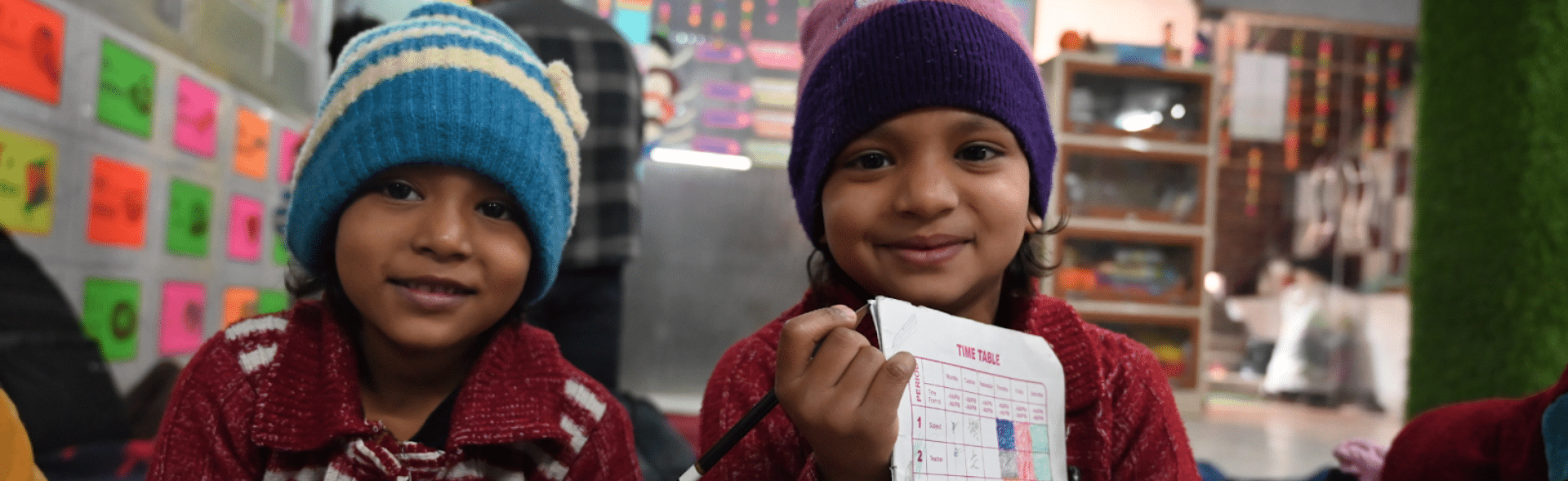
At Bal Raksha Bharat we are committed to supporting children to build their own world on their own terms. As a child protection NGO, we prioritise building a solid foundation comprising basic education, financial literacy, and exposure to structured opportunities. Every aspect is introduced slowly, with attention to the everyday realities the girls face.
Rather than encouraging girls to “dream big” in abstract terms, we focus on helping them make tangible choices, like when to attend a workshop, how to negotiate for study time, and how to save a portion of their earnings. These are seemingly minor decisions but going forward they lay the groundwork for durable forms of confidence and autonomy.
Challenges Faced by Women Entrepreneurs in India
Women entrepreneurs in India often face limited access to credit, smaller professional networks, and heavier caregiving responsibilities. Gender bias in lending and business circles can slow growth. Safety and mobility constraints may restrict travel and market access. Limited mentorship and industry representation can make hiring, scaling, and raising capital harder, especially for first-generation founders.
Final Thoughts
The journey of top 10 women entrepreneurs in India show how vision and consistency can reshape industries. Their stories highlight the impact of access to education, skill building, mentorship, and financial confidence. Supporting girls early through learning and opportunity-building widens the pipeline for future women entrepreneurs in India to grow economic independence and foster long-term success.
Considering economic changes follow social permission, Bal Raksha Bharat works closely with parents, community leaders, and peer groups to facilitate big shifts in mind. Such an approach helps build consensus and goodwill across communities to get the best out of child education donation programmes through diverse NGO corporate partnerships and beyond.
FAQs:
Who are the top 10 women entrepreneurs in India?
The list of top 10 women entrepreneurs in India comprises Kiran Mazumdar-Shaw, Falguni Nayar, Vani Kola, Richa Kar, Suchi Mukherjee, Radhika Ghai Aggarwal, Aditi Gupta, Ghazal Alagh, Shradha Sharma, and Upasana Taku. These women are true visionaries known for building influential ventures across leading industries like biotech, retail, investing, media, and fintech.
How can I support future women entrepreneurs in India?
You can support future women entrepreneurs of India by donating towards girls education and skill building programmes, mentoring early founders, buying from women-led brands, sharing networks and opportunities, and advocating the importance of safe workplaces. Supporting credible NGOs like Bal Raksha Bharat can be an easy way to go about supporting young girls into becoming tomorrow’s entrepreneurs.
What challenges do women entrepreneurs in India commonly face?
Some commonly faced challenges by young women entrepreneurs in India include restricted access to capital, smaller networks, social bias in business dealings, unequal caregiving burdens, safety-related mobility limits, and fewer mentors. Together, they impact growth mindset, confidence, and access to resources required for scaling.

“I am an editor and technical specialist at Bal Raksha Bharat, responsible for publishing articles and posts. My role involves evaluating content for consistency, and ensuring a positive user experience across the website."

Email Newsletter
Stay updated with our latest blog posts and offers.
Categories

Popular Posts
- 10 inspiring self-made women entrepreneurs in india - 44805 views
- Top Ways to Prevent and Stop Child Labour in India - 27670 views
- Role of Youth in Nation Building: Empowering Youth for a Stronger India - 25549 views
- 80G Explained: Which Donations Qualify for Tax Benefits? - 24964 views
- Importance of Girl Child in Indian Society: Save & Empower - 19402 views