Importance of girl child education for india’s development
 27/07/17
 Latest News
 101
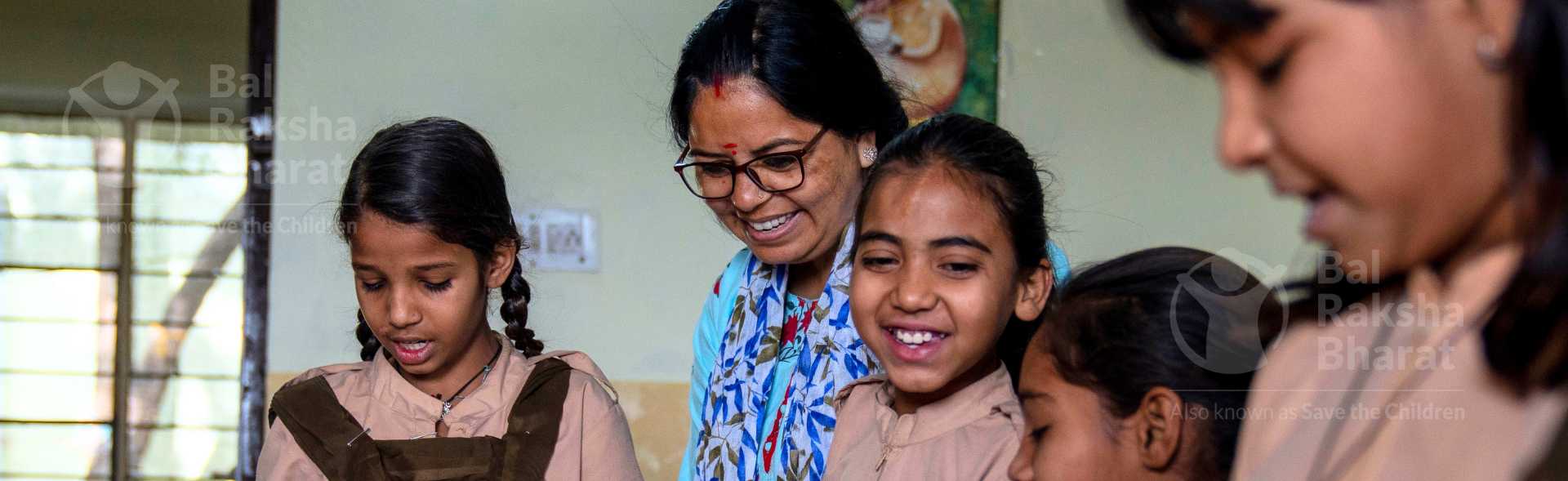
101Till a few decades back, people used to think that it was unnecessary to educate girls. In the current times, however, women are at par with men, competing with them in all spheres of life. Today, people not only understand the importance of quality education, but also send their daughters to school. It’s an undeniable truth that girl child education can bring about a phenomenal change in the society and help the country reach great heights.
Why Girl Child Education Matters in India
Investing in the education of a girl child is thus not only a social responsibility but also intrinsic to the national development processes of India. Every one of us must know the importance of Girl child Education, An educated girl is more likely to join the workforce, enhance the health standards of the family, and break the intergenerational poverty cycle. Moreover, girl child education makes a number of contributions to society that are well beyond academic or economic. Such an approach empowers an entire generation to achieve greater equality between men and women and ensures continued economic stability. By motivating girl child education, we guarantee that women can participate with full vigor in decision-making mechanisms and develop a society. Ultimately, educating a girl child is imperative for creating a self-dependent, fair, and prosperous India where every child gets an opportunity to flourish.
1. Empower Girls with Knowledge and Self-Reliance
Girl child education serves as a strong catalyst to lead a knowledgeable and independent life. It empowers young women with the impersonal skills that are extremely helpful in managing one’s finance and making useful choices in life. Girl child education therefore cannot be compromised upon, since it builds self-reliance to come out of economic bondage and social totalitarianism. We provide active stimulus to girl child education so that girls recognize their rights and believe in challenging inequities. Indeed, an educated girl becomes a self-reliant citizen who can determine her future and contribute to societal advancement.
2. Drives Economic Growth and Reduces Poverty
There is a straight correlation between educating girl children and a country’s economic prosperity. Education for girl children and women leads to women being able to join the formally productive sector and earn better incomes, and thus re-invest them in their respective families, thereby increasing the overall GDP to a large extent. Understanding and realising the significance and importance of girl child education is a crucial aspect, and it is a big strategic plan to rid a country and society from the cycles and chains of poverty, creating a healthy and educated next generation through educated women.
3. Promotes Better Health and Family Well-Being
Girl child education is extremely important for better health standards in the coming generations. When women are educated, they are better able to comprehend the aspects of both health and immunization, thus resulting in less maternal and child mortality. The significance of girl child education can be understood in the fact that it makes women capable of making their own decisions regarding health and delivering healthier children. In other words, with the help of girl child education, we have the ability to motivate these mothers to support the health of their families. In turn, the mother plays an important role in shaping the wellbeing of the entire family.
4. Enhances Decision-Making Power and Self-Esteem
Education of the girl child is basic for the change from being passive witnesses to active players. When the girl child is well schooled, she will have the confidence to express her views concerning important issues such as the time to marry and financial matters at home. The significance of education for the girl child cannot be overemphasized in such a way that it helps the girl child develop critical evaluation skills to evaluate her choices in life. Through promoting girl child education, we can overcome the social inhibitions that limit the expression of womanhood. Finally, the gain here is the promotion of high self-esteem to take her place.
5. Fosters Gender Equality and Socio-Economic Parity
Education proves to be the greatest equalizer that erases deeply ingrained patriarchal habits to bring about a well-harmonized society. It is critical to focus on girl child education as it will allow young girls to act as key decision makers as well as economic participants. The value of girl child education has applications beyond the confines of a classroom as it has a direct relation to enhancement in the GDP of a nation, decrease in poverty levels, as well as improvement in overall health conditions. By focusing on the enhancement of girl child education, it would help bring about a halt to the long-continued cycle of disadvantage.
6. Breaks the Cycle of Poverty Across Generations
Educating girl child is a very strong tool to gain self-mobility through economics and rise from intergenerational poverty. It allows the openings to good learning which then leads to acquiring that which is important in finding steady and higher paying employment. Financial independence consequently enables a family to spend more on health care, nutrition, and housing, raising the standard of living for them. In addition, parents who have received an education are more likely statistically to advocate schooling for their children, meaning that the benefits of literacy and skills are transmitted down the ladder. This transformational process lifts individual households out and creates a sustainable community and long-term economic resilience.
7. Challenges Faced in Promoting Girl Child Education
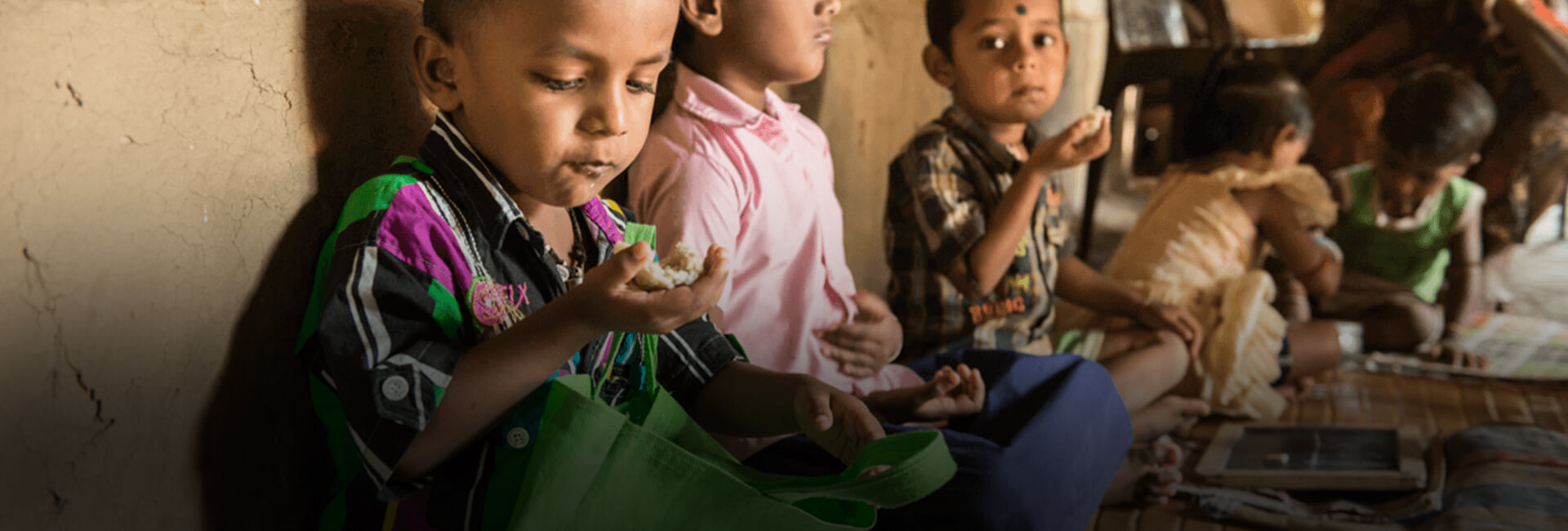
Sadly, things need a lot of improvement in several rural parts of India. In backward states and villages, people still don’t prefer sending their daughters to schools due to cultural and financial reasons. While some people think that girls should know nothing apart from household chores, others simply can’t afford to educate their daughters.
Role of NGOs in Promoting Girl Child Education
Can organisations like Bal Raksha Bharat Help in improving the situation? NGOs like Bal Raksha Bharat have established active modules that ensure that every girl child gets quality education. Working with top corporates, Bal Raksha Bharat has facilitated education across thousands of schools across the country by imparting training in extra-curricular activities. The organization has mapped many out-of-school children and encouraged families to send their daughters to school. Many events are organized to sensitize people about the relevance of girl child education.
Conclusion
Child protection NGOs like Bal Raksha Bharat work with the government to provide survival, safety and education to the girl child. Many people contribute and help the organization in accomplishing the mission of educating girls by supporting an NGO with online donation. Your donation will not only empower the girl child, but will also give you a lot of happiness and satisfaction. Together, we can take small steps to ensure that men and women are given equal opportunities to move ahead in life and help India reach new heights.
FAQ’s
Why is girl child education important in India?
Girl child education is vital for India’s progress as it drives economic growth, reduces poverty, and improves public health. Educated girls grow into empowered women who challenge social norms, lower maternal mortality rates, and ensure better nutrition and schooling for the next generation, breaking cycles of inequality.
Why do we need to promote education for girls?
Promoting girls’ education is essential to foster gender equality and empower women as active decision-makers. It boosts economic productivity, significantly improves family health, and combats social issues like child marriage. Investing in a girl’s education uplifts her entire community and ensures sustainable national development.
What role do NGOs play in girl child education?
NGO-Acting as an important catalyst through providing resources, grants and safe schools in the underserved areas. Also, fighting against social barriers such as child marriage to guarantee enrollment. By means of grassroots activism and community engagement, they empower girls to get access to quality education and solve the gaps where the government is limited in access.

“I am an editor and technical specialist at Bal Raksha Bharat, responsible for publishing articles and posts. My role involves evaluating content for consistency, and ensuring a positive user experience across the website."

Email Newsletter
Stay updated with our latest blog posts and offers.
Categories

Popular Posts
- 10 inspiring self-made women entrepreneurs in india - 44655 views
- Top Ways to Prevent and Stop Child Labour in India - 27659 views
- Role of Youth in Nation Building: Empowering Youth for a Stronger India - 25539 views
- 80G Explained: Which Donations Qualify for Tax Benefits? - 24910 views
- Experience Joy Of Giving This Diwali 2025 By Making A Donation - 19389 views