International literacy day: why every child deserves to read and learn
 21/08/26
 Blog
Blog 934
934Literacy is crucial for any society to grow to its full potential. This is because when children get access to quality education in their foundation years, they grow up as confident individuals. Every year, September 8 is recognised as International Literacy Day, emphasising the importance of literacy.
Children can only continue their education if their foundation is set right with quality education. It is pivotal in giving children a platform to discover themselves as individuals, professionals, and innovators.
The theme for the International Literacy Day in 2026 is ‘Literacy for people, the planet and prosperity’. The theme emphasises the importance of literacy as the cornerstone for sustainable development and future opportunities.
What Is International Literacy Day and Why Is It Important?
International Literacy Day was first celebrated in the year 1967, and the day was marked by UNESCO.
This day matters for many reasons, especially because literacy is essential for every child.
When literacy is supported at the grassroots across the country, children:
- Learn the necessary comprehension, writing, and communication skills to excel in today’s connected world.
- Are more likely to participate in the educational ecosystem and continue their studies.
- Build a strong foundation of learning that becomes useful for them to continue their education in the face of obstacles.
International Literacy Day 2026: Theme and Focus
Sustainability and inclusivity are two very important things around which this year’s Literacy Day revolves.
The 3Ps of this year are as follows:
- People, which means that literacy and education help children and adults communicate, learn, explore, and participate in society to their full potential.
- Planet is the second ‘P’ that focuses on the importance of education in helping children understand the pressing environmental issues of our time.
- Lastly, Prosperity depicts how education, literacy, and important skills make for a promising future and endless opportunities for children to grow.
Why Does Every Child Deserve the Opportunity to Read and Learn?
In any society that intends to grow, education is a crucial factor that can support its growth. A good education shapes the child’s outlook and makes them develop important skills such as comprehension, communication, and curiosity.
Children Discover the World through ‘Reading’
Stories and textbooks introduce children to new ideas and perspectives. Reading can help them understand different experiences, cultures and ways of seeing the world.
Some useful approaches for making ‘reading’ an important learning tool for children are as follows:
- Age-appropriate books and storybooks.
- Classroom reading activities.
- Storytelling and read-aloud sessions.
Children Build the Foundation for Future Learning
When children read and explore, they learn about more and more subjects. It also boosts classroom participation as they become curious, develop an appetite for learning, and prepare for the future.
How Can Schools and Communities Encourage Children to Read?
Children need a safe and welcoming reading environment to get ‘really interested’ and participate. Age-appropriate books, interactive sessions, and engaging stories are some important factors in helping children to develop interest in what so many call ‘the joy of reading’.
Some methods to encourage reading in children are:
- Group reading and encouraging them to ask as many questions as they want to
- Creating ‘reading spaces’ that encourage focus
- Focusing on storytelling or ‘reading activities’ also increases the children’s interest in reading and comprehension.
- Ensuring access to digital learning initiatives for children looking to discover the wealth of knowledge available online
The Role of Bal Raksha Bharat in India in Supporting Child Education
At Bal Raksha Bharat (also known as Save the Children India), we support the cause of education by conducting programmes at the grassroots level across India.
Our programmes focus on foundational literacy and numeracy, creating safe learning environments, training teachers, and offering remedial learning opportunities for children.
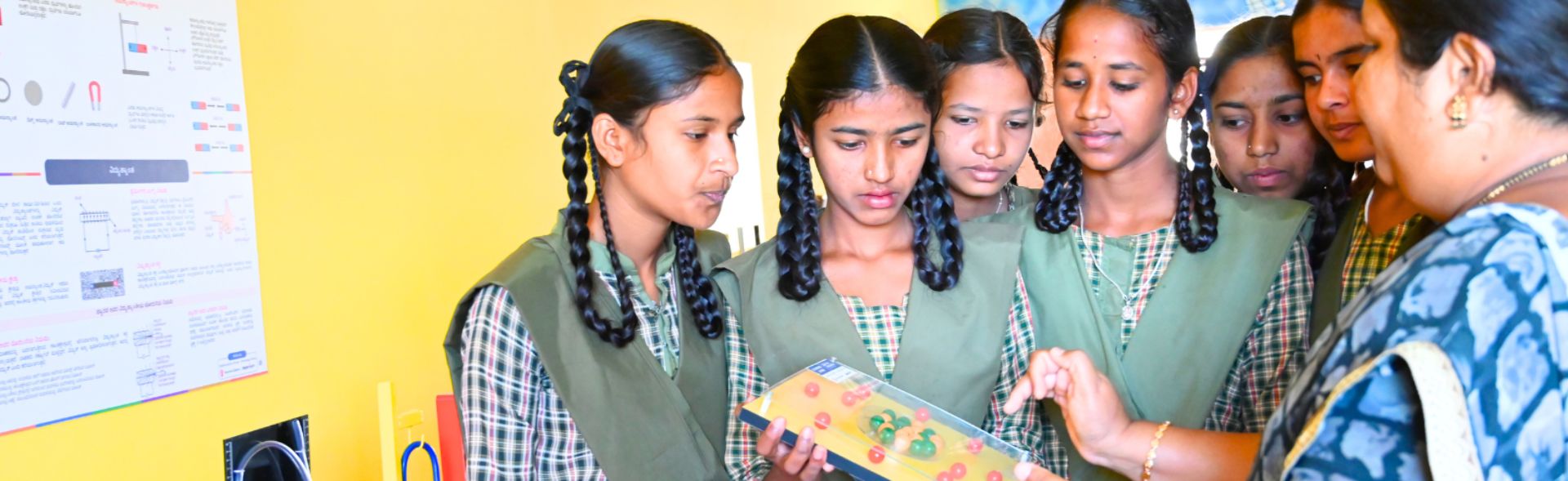
Furthermore, our programmes also support STEM-based learning and community engagement initiatives to further boost participation in education at all levels.
Key areas of our work include the following:
- Strengthening foundational literacy and numeracy.
- Providing additional learning support.
- Supporting child-friendly learning environments where every student can grow and succeed in their own unique ways.
- Engaging families and communities in education.
How Can Supporting Literacy Strengthen Child Welfare?
A holistic approach for supporting literacy for children includes the following:
- Quality learning opportunities.
- Safe and supportive educational spaces.
- Children’s participation and confidence.
- Foundational academic and life skills.
How Can People Support a Child’s Education?
Individuals within society who want to support the cause of a child’s education can do so in multiple ways. One way to do that is by choosing to donate money.
Before contributing money to the cause, people must consider the following factors:
- The organisation’s education programmes and approach.
- Its transparency and impact reporting.
- Opportunities for volunteering and awareness-building.
International Literacy Day Activities for Children
International Literacy Day can be marked through simple activities:
- Storytelling and read-aloud sessions.
- Reading competitions and community reading circles.
- Book donation drives and library visits.
- Drawing activities based on favourite stories.
- Writing short stories, poems or reflections.
- Age-appropriate digital literacy activities.
Creating a Future Where Every Child Can Read and Learn
A future where every child gets access to quality education is very much achievable. However, for such a dream to become reality, the focus has to be on enhancing access to quality education for every child across our country. Moreover, NGOs, schools, teachers, and families must come together for the cause to make it happen.
Conclusion
It is crucial for every society to offer good learning opportunities to children. They need safe and encouraging environments to read, learn, explore, and grow as individuals.
Literacy supports confidence, communication, and continued education while contributing to child welfare.
The need of the hour is for all stakeholders to come together to create a future where every child gets access to quality education from the beginning.
FAQs
1. When is International Literacy Day observed?
International Literacy Day is observed every year on 8 September.
2. What is the theme of International Literacy Day 2026?
The 2026 theme is “Literacy for people, the planet and prosperity.”
3. How does literacy support child welfare?
Literacy supports children’s confidence, participation, learning and future opportunities.

“Naveen is an SEO expert and digital marketing analyst at Bal Raksha Bharat with a passion for helping businesses grow online. With a data-driven approach, he specializes in boosting search rankings, driving traffic, and optimizing digital strategies. Follow for tips on SEO, content, and marketing trends."

Email Newsletter
Stay updated with our latest blog posts and offers.
Categories

Popular Posts
- 10 inspiring self-made women entrepreneurs in india - 50192 views
- 80G Explained: Which Donations Qualify for Tax Benefits in India - 31136 views
- Top Ways to Protect Children and Support Their Development in India - 28399 views
- What are the major causes of gender inequality? - 27073 views
- Role of Youth in Nation Building: Empowering Youth for a Stronger India - 26622 views