Child education ngos in india: key initiatives driving change
 10/02/24
 Blog
Blog 11729
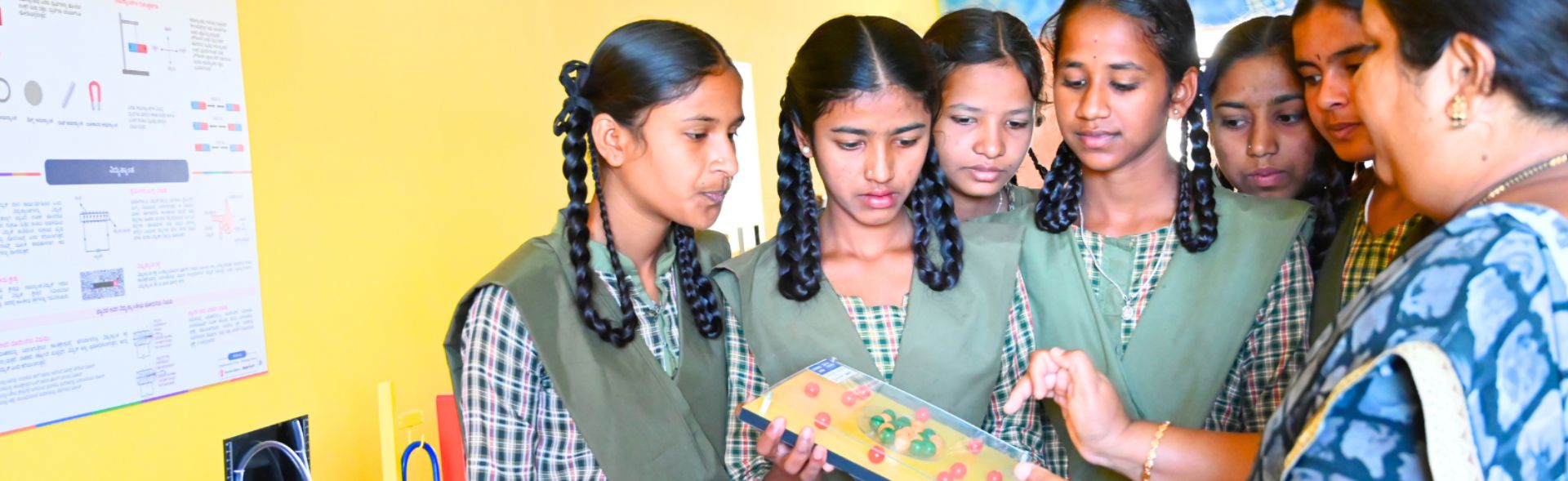
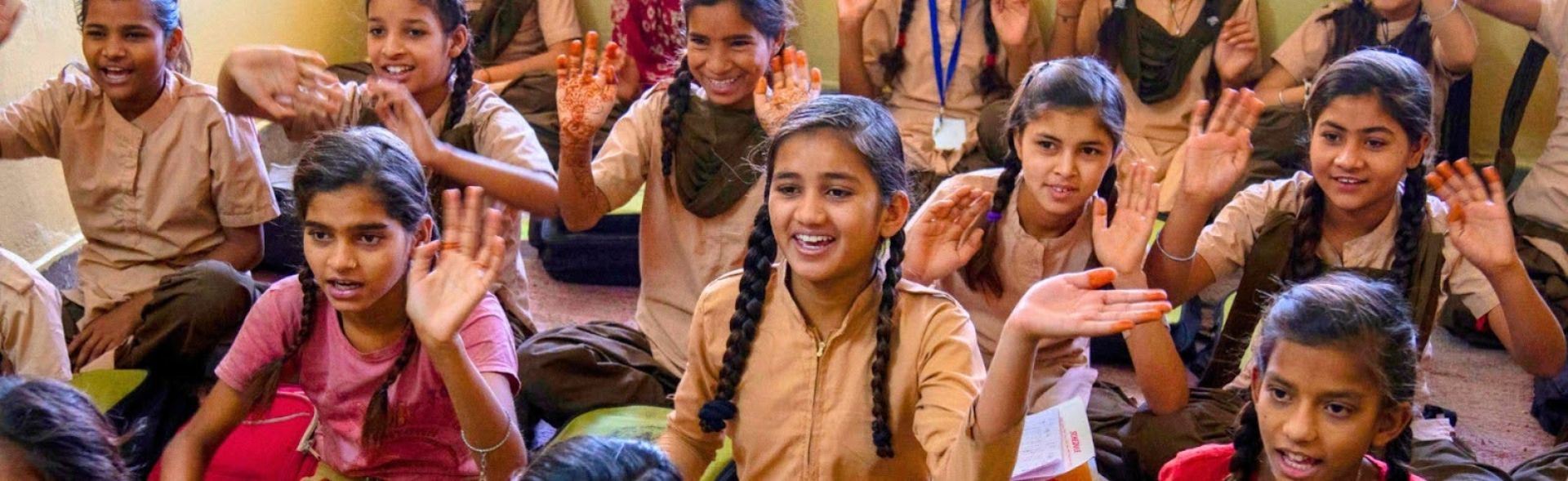
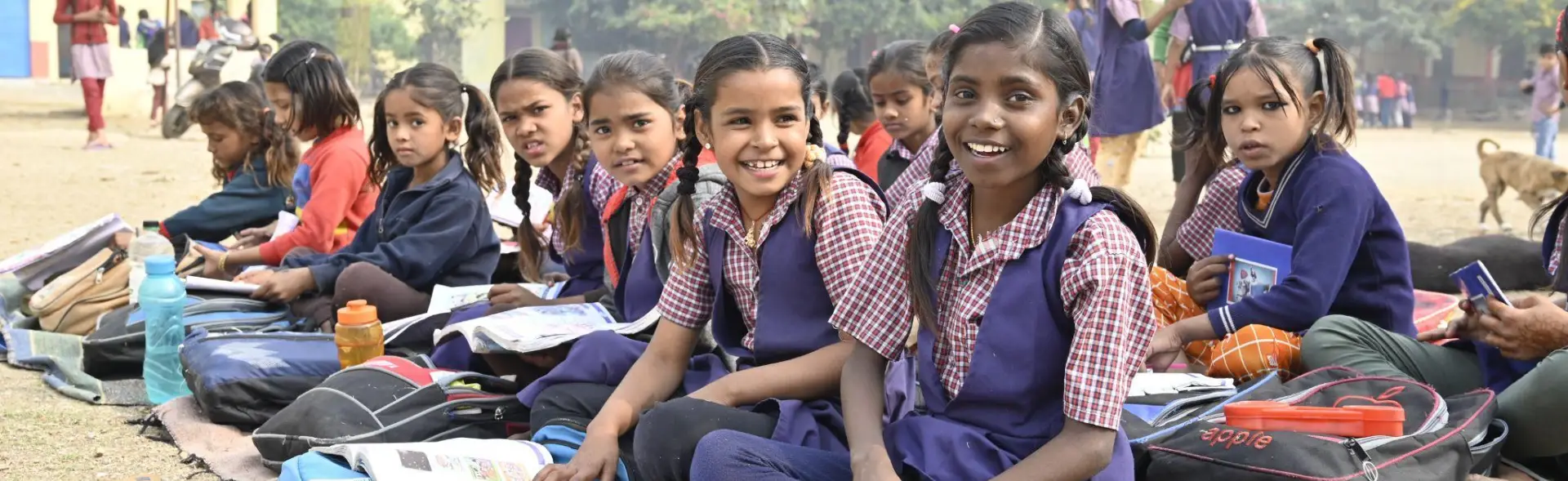
11729Child education NGOs in India play a vital role in transforming the learning landscape for millions of children. These organisations act as catalysts for change by designing impactful initiatives that improve access, quality, and inclusivity in education.
From grassroots interventions to large-scale programmes, NGOs are shaping a brighter future by ensuring that every child—regardless of background—gets the opportunity to learn and grow. In this article, we explore the key initiatives that highlight how NGOs are driving meaningful change in child education across India.
How NGOs Help Children Access Education
For children in underprivileged communities, education is more than just academics—it is a pathway out of poverty and inequality. Child education NGOs act as enablers by ensuring that children gain access to learning opportunities that would otherwise remain out of reach.
These organisations implement initiatives such as mobile classrooms, bridge courses, after-school learning centres, and scholarship programmes. Alongside this, they actively engage with parents and communities to raise awareness about the importance of education, creating a supportive ecosystem for children’s learning.
Empowering Communities for Long-Term Impact
Child education NGOs understand that true learning goes beyond textbooks. They adopt a holistic approach that focuses on academic growth as well as emotional and social development.
Through extracurricular activities, skill-building workshops, and well-being programmes, NGOs help children become confident and resilient individuals. These initiatives also instil essential values such as empathy, responsibility, and leadership—preparing children not just for exams, but for life.
Leveraging Technology for Inclusive Learning
In today’s digital era, NGOs are leveraging technology to bridge the education gap, especially in remote and underserved areas. Digital classrooms, e-learning platforms, and interactive content are helping children access quality education regardless of their location.
By integrating technology into their programmes, NGOs are ensuring that children develop digital literacy skills essential for the future while also improving engagement and learning outcomes.
In today’s digital era, NGOs are leveraging technology to bridge the education gap, especially in remote and underserved areas. Digital classrooms, e-learning platforms, and interactive content are helping children access quality education regardless of their location.
By integrating technology into their programmes, NGOs are ensuring that children develop digital literacy skills essential for the future while also improving engagement and learning outcomes.
Role of Bal Raksha Bharat in Child Education
Bal Raksha Bharat is one of the leading organisations working to improve child education in India. It focuses on creating inclusive and safe learning environments for children aged 3–18.
Through initiatives like Early Childhood Care and Education (ECCE), foundational literacy and numeracy programmes, and digital learning interventions, the organisation supports children during their most critical developmental years. With a strong focus on equity and access, Bal Raksha Bharat continues to empower children with the tools they need for a better future.
Conclusion
Child education NGOs in India are playing a transformative role in bridging educational gaps and creating equal opportunities for all children. Their initiatives—ranging from community engagement to digital learning—are helping build a more inclusive and equitable education system.
However, creating lasting impact requires collective effort. By supporting organisations like Bal Raksha Bharat, individuals and communities can help shape a future where every child has access to quality education and the chance to succeed.
FAQs
1. What initiatives do child education NGOs run in India?
Child education NGOs run programmes such as mobile classrooms, digital learning, scholarships, after-school support, and community awareness initiatives.
2.How do NGOs support underprivileged children’s education?
They provide access to quality education, learning resources, trained teachers, and holistic development programmes for children in underserved communities.
3. Why are child education NGOs important in India?
They bridge gaps in access, quality, and inclusivity, ensuring that marginalised children receive equal learning opportunities.
4. How is technology used by NGOs in education?
NGOs use digital classrooms, e-learning platforms, and online resources to reach children in remote areas and improve learning outcomes.
5. Which NGO works for child education in India?
Organisations like Bal Raksha Bharat work extensively to improve education access access to education and child development across India.

“I am an editor and technical specialist at Bal Raksha Bharat, responsible for publishing articles and posts. My role involves evaluating content for consistency, and ensuring a positive user experience across the website."

Email Newsletter
Stay updated with our latest blog posts and offers.
Categories

Popular Posts
- 10 inspiring self-made women entrepreneurs in india - 49379 views
- 80G Explained: Which Donations Qualify for Tax Benefits in India - 30333 views
- Top Ways to Protect Children and Support Their Development in India - 28311 views
- Role of Youth in Nation Building: Empowering Youth for a Stronger India - 26484 views
- What are the major causes of gender inequality? - 23517 views