Importance of child welfare in india: why it matters today
 09/08/22
 Child Protection
 7308
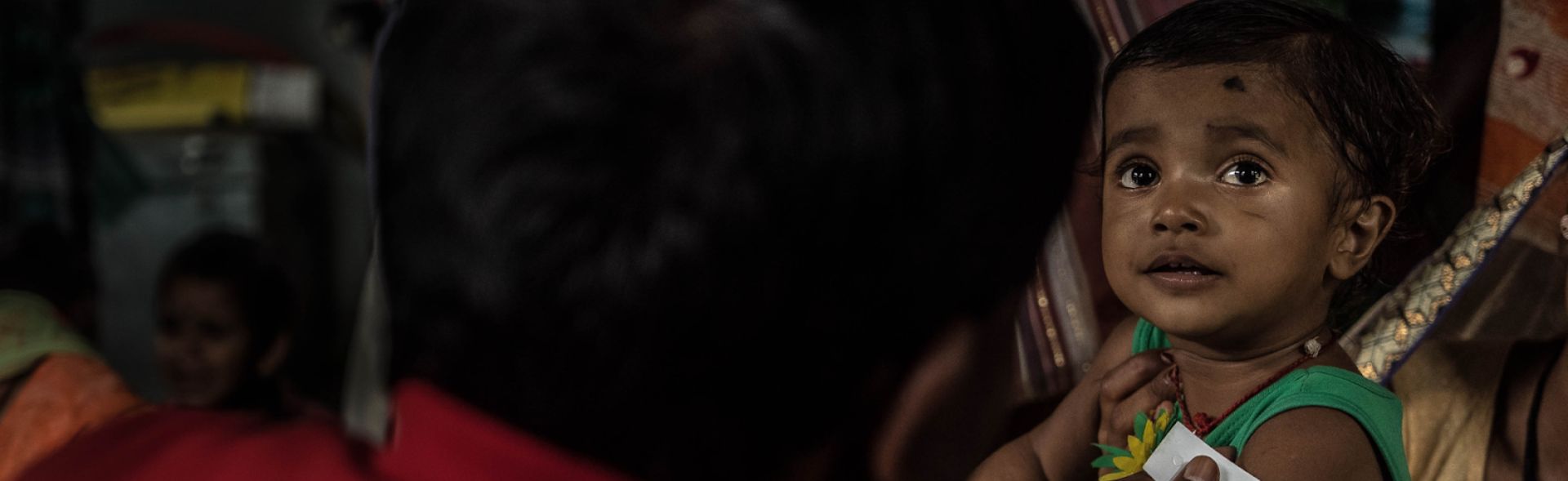
7308Child welfare in India continues to be a critical issue discussed at both national and global levels. Governments and non-governmental organisations are actively working to protect children’s rights and improve their quality of life. However, many children remain vulnerable to abuse, violence, neglect, and lack of access to basic necessities. These challenges often result in issues such as poor physical and mental health, high school dropout rates, and limited opportunities for growth. This is why organisations like UNICEF emphasise the importance of strengthening child welfare systems in India.
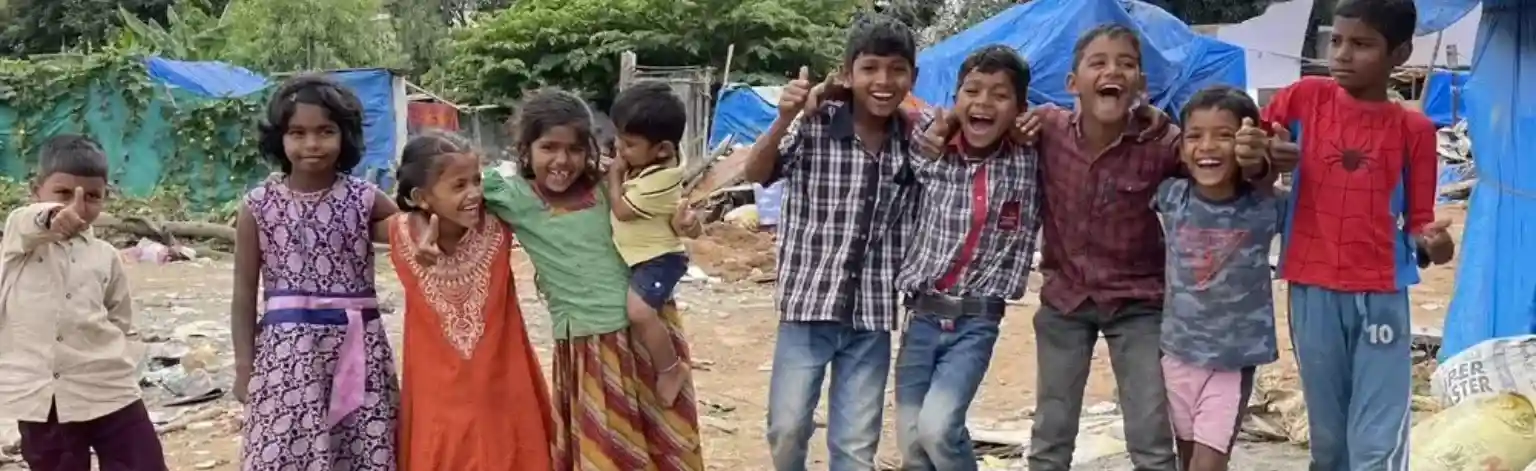
When children are provided with a safe and supportive environment for psychosocial development, they are more likely to grow into confident, healthy, and capable individuals. Strong child welfare systems ensure that children’s rights are protected, enabling better physical health, mental well-being, and self-esteem. Global frameworks like the United Nations Convention on the Rights of the Child (UNCRC) highlight the importance of addressing these needs to ensure holistic child development.
Why Does Child Welfare in India Matter?
Protecting child welfare in India is essential due to the various risks children face, including abuse, exploitation, and neglect. Legal frameworks and policies play a vital role in safeguarding their rights. Child welfare goes beyond basic human rights by addressing the unique vulnerabilities of children. It lays the foundation for a strong and inclusive society by ensuring that every child has access to education, healthcare, and protection. Children must be able to rely on adults for care, guidance, and support. Equal opportunities should be available to all children, regardless of gender, socio-economic background, or physical and mental conditions.
Children of all genders must have equal access to opportunities. This includes those facing challenges such as poverty, disability, displacement, or belonging to minority communities.
Read Also: Role of Awareness in Promoting Basic Rights of Children
Steps Towards the Protection of Child Welfare
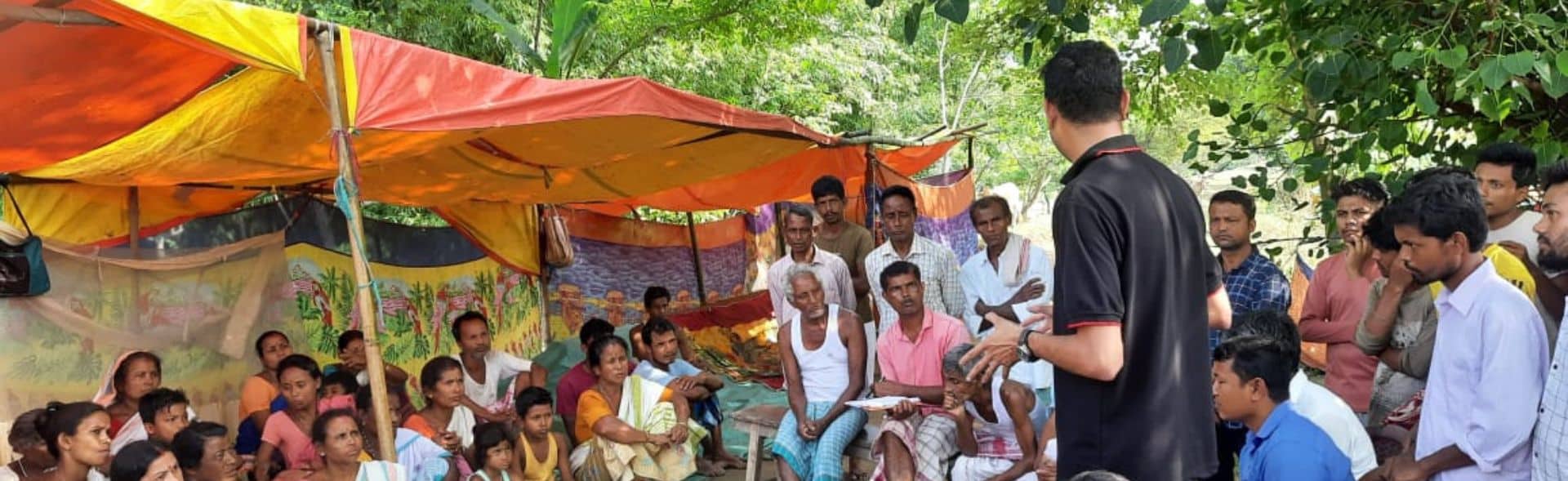
Bal Raksha Bharat strongly believes that children are citizens with equal rights and deserve protection, care, and opportunities to grow. Ensuring child welfare requires collective action. Parents, teachers, policymakers, communities, and organisations must work together to prioritise children’s rights and create a safe environment for their development. Bal Raksha Bharat works to amplify the voices of children and address the root causes that hinder their growth and development. Through targeted programmes and community engagement, the organisation strives to create long-term and sustainable change in child welfare across India.
Supporting such initiatives can help ensure a better, safer, and more equitable future for every child.
FAQs
-
What is child welfare in India?
Child welfare in India refers to the protection and promotion of children’s rights, including access to education, healthcare, nutrition, and safety from abuse, exploitation, and neglect.
-
Why is child welfare important in India?
Child welfare is important because it ensures children grow in a safe and supportive environment. It helps improve their physical and mental well-being, education, and future opportunities, contributing to overall national development.
-
What challenges affect child welfare in India?
Key challenges include poverty, lack of access to quality education and healthcare, child labour, gender inequality, and limited awareness about children’s rights in many communities.
-
How can individuals support child welfare in India?
Individuals can support child welfare by donating to trusted NGOs, volunteering, raising awareness, and supporting initiatives that focus on education, healthcare, and child protection.

“I am an editor and technical specialist at Bal Raksha Bharat, responsible for publishing articles and posts. My role involves evaluating content for consistency, and ensuring a positive user experience across the website."

Email Newsletter
Stay updated with our latest blog posts and offers.
Categories

Popular Posts
- 10 inspiring self-made women entrepreneurs in india - 48219 views
- Top Ways to Protect Children and Support Their Development in India - 28138 views
- 80G Explained: Which Donations Qualify for Tax Benefits in India - 26933 views
- Role of Youth in Nation Building: Empowering Youth for a Stronger India - 26111 views
- Right to Education Act (RTE): Importance & Responsibilities in India - 20454 views