Child welfare situational analysis in tea gardens in assam
 09/01/17
 Blog
Blog 880
880India’s tea gardens are popular as a scenic Northeast vacation destination, but behind the serene façade of acres of gently rolling green hills lies a culture that can be exploitative and harsh for children. Assam’s tea gardens, famed as the source of some of the world’s finest teas, have a hidden reality that has only recently come to light: child welfare violations.
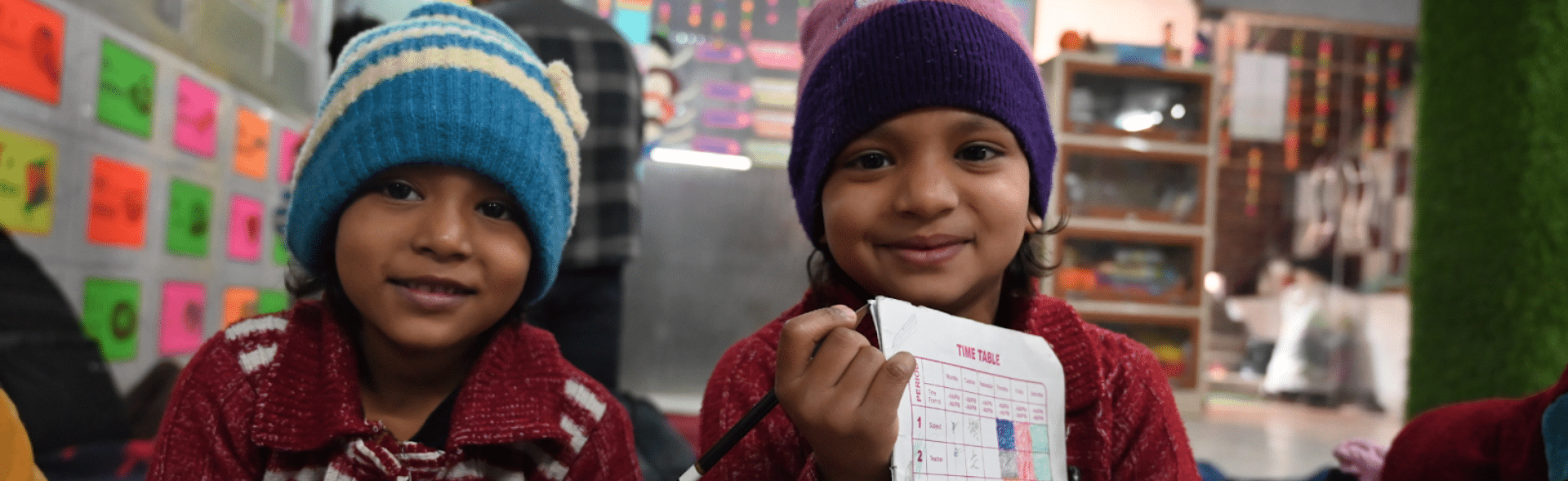
Due to persistently poor socio-economic conditions, the children of tea garden workers are often forced to stay out of school or drop out to help support their families. ‘Child Welfare Situational Analysis in Tea Gardens in Assam’, a study by Bal Raksha Bharat, found that over 63% of children working across at least 70 tea gardens in seven districts reported dropping out of school to earn for their families. Given the labour-intensive nature of plantation work, children also lack the time and energy to focus on education.
Going Beyond Poverty – Other Reasons for Child Labour
Around one-fifth of the working children were still attending school. However, many children begin working in tea gardens as early as the age of 11. This is not only due to economic necessity but is also sometimes encouraged by parents, who believe that tea-leaf picking is a skill that should be learned early in life.
Working Conditions
Child labourers often work for over 40 hours a week. With such long working hours, it is no surprise that they are too exhausted to concentrate on their education.
Studies by Bal Raksha Bharat also revealed that many parents consider school infrastructure inadequate, making labour seem like a more viable option for their children. This issue is further aggravated by irregular teacher attendance. In tea-dominated regions, even teachers in plantation-run schools are often part-time workers.
Read Also: NGOs Make a Difference in Indian Education
Poor Conditions for Garden Workers
The 2015 study covered 70 tea gardens across in major tea-growing districts such as including Tinsukia, Dibrugarh, Sivasagar, Jorhat, Golaghat, Sonitpur, and Nagaon.
Assam, with over 950 estates, contributes more than 50% of India’s tea production. Around 30% of the state’s population resides in tea garden areas. However, the lack of basic amenities remains a serious concern, affecting both development goals and quality of life.
Adult workers are often compelled to involve their children in labour due to the absence of childcare facilities and limited livelihood alternatives.
Developmental Issues
The study included testimonies from nearly 3,000 children, with 77.6% aged between 7 and 17 years, across more than 1,400 households.
Around 40% of children engaged in labour reported that their workplaces lacked toilet facilities, while others highlighted the absence of separate sanitation facilities for girls. Additional concerns included dehydration due to long hours under the sun, unhygienic working conditions, malnutrition, and diseases such as tuberculosis.
Alongside child labour, issues like trafficking and sexual abuse remain significantly underreported.
Substance Abuse
Similar to other regions where children are forced into labour, children in tea gardens also reported substance abuse. Around 14% admitted to chewing tobacco, 7% to consuming alcohol, and another 14% to smoking. These habits have had long-term consequences, contributing to higher maternal and infant mortality rates in these communities.
Low Wages
About 13% of working children reported being poorly paid. A tea garden union activist highlighted that daily wages can be as low as ₹95 to ₹110. In comparison, the minimum daily wage for an agricultural worker is approximately ₹240, indicating a significant disparity.
Read Also: Join an NGO as a Volunteer & Support Underprivileged Children
Conclusion
A project officer from Bal Raksha Bharat stated that the report’s executive summary was shared with the state social welfare department, other NGOs, and educational institutions for discussion and feedback.
The organisation runs multiple programmes focused on social transformation in vulnerable communities across urban and rural India. It has successfully helped children transition out of bonded and forced labour, enabling them to join mainstream education or access skill-based employment opportunities.
By supporting a child welfare NGO like Bal Raksha Bharat, individuals can contribute to creating better futures for children, regardless of their circumstances. Donating online is one way to support this mission and drive meaningful change.
FAQs
1. What are the main child welfare issues in Assam tea gardens?
The major child welfare issues include child labour, lack of access to quality education, poor healthcare, malnutrition, unsafe working conditions, and limited sanitation facilities.
2. Why do children work in tea gardens in Assam?
Children often work due to poverty, lack of educational opportunities, and family pressure. In many cases, tea plantation work is seen as a necessary skill for survival.
3. How does child labour affect education in tea garden areas?
Child labour leads to school dropouts, irregular attendance, and poor learning outcomes, preventing children from accessing better career opportunities in the future.
4. What health challenges do children in tea plantations face?
Children face health issues such as malnutrition, dehydration, poor hygiene, and diseases like tuberculosis due to harsh working and living conditions.
5. How are NGOs helping children in Assam tea gardens?
Organisations like Bal Raksha Bharat work to reduce child labour, improve access to education, provide healthcare support, and create safer environments for children.

“I am an editor and technical specialist at Bal Raksha Bharat, responsible for publishing articles and posts. My role involves evaluating content for consistency, and ensuring a positive user experience across the website."

Email Newsletter
Stay updated with our latest blog posts and offers.
Categories

Popular Posts
- 10 inspiring self-made women entrepreneurs in india - 44573 views
- Top Ways to Prevent and Stop Child Labour in India - 27655 views
- Role of Youth in Nation Building: Empowering Youth for a Stronger India - 25534 views
- 80G Explained: Which Donations Qualify for Tax Benefits? - 24892 views
- Experience Joy Of Giving This Diwali 2025 By Making A Donation - 19389 views