Beyond the flood: the long road to recovery in assam
 05/08/26
 Blog
Blog 111
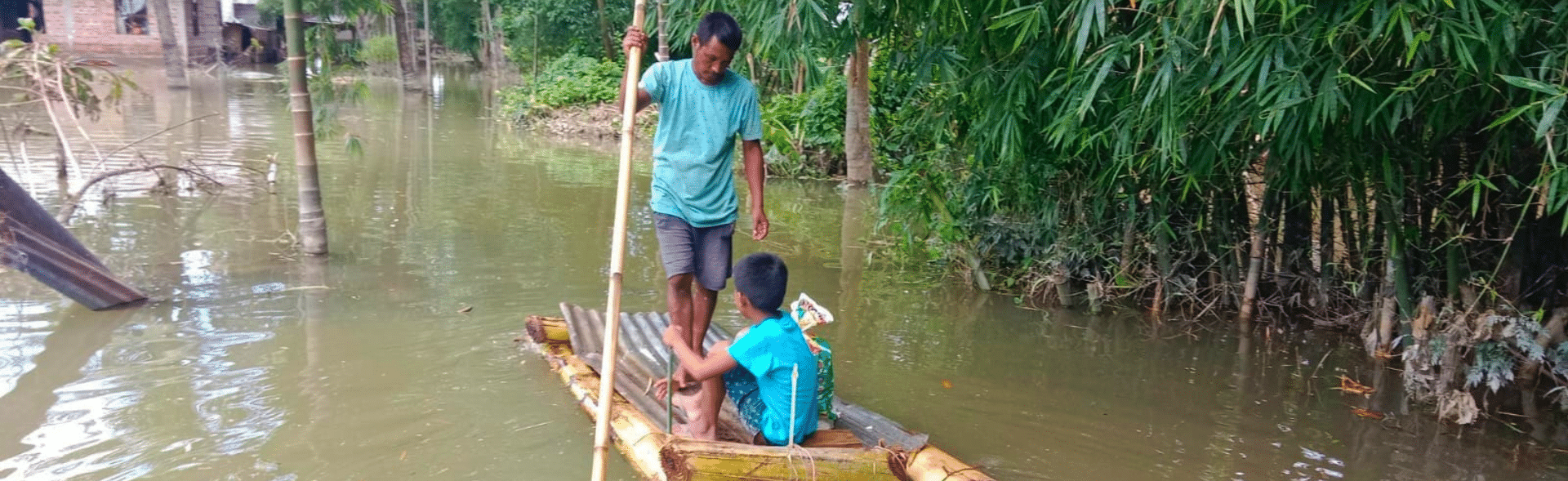
111Across several parts of Assam, floodwaters are now receding. This means that communities can now begin the next stage of their recovery after the devastating natural disasters. Primarily, it will involve restoring healthcare services and educational institutions, ensuring clean drinking water, creating safe spaces for children, and restoring clean and safe sanitation facilities.
These efforts are necessary for the lives of those affected to return to some sense of normalcy. Moreover, it is also crucial to bring the communities together in these challenging times.
Throughout Assam, local authorities, volunteers, and organisations are working in collaboration to ensure that the recovery in Assam isn’t just momentary but can be supported for the long term.
Moreover, those wanting to support the cause from afar can also do so by choosing to donate money through a credible NGO in India. Monetary support such as this will go a long way in assisting the state’s recovery after the floods.
Assam’s Recovery Journey Continues Beyond the Flood
Assam’s recovery after the floods will have to continue even beyond the point when floodwaters recede completely.
Some of the key efforts necessary to ensure a full recovery are as follows:
- Restoring schools and learning spaces.
- Strengthening healthcare services.
- Improving access to clean drinking water.
- Rebuilding sanitation facilities.
- Revitalising community spaces for children and families.
When communities, organisations, public bodies, and volunteers come together, the road to complete recovery after a natural disaster such as this seems less challenging. It is also important for building the community’s resilience.
Education Helps Communities Move Forward
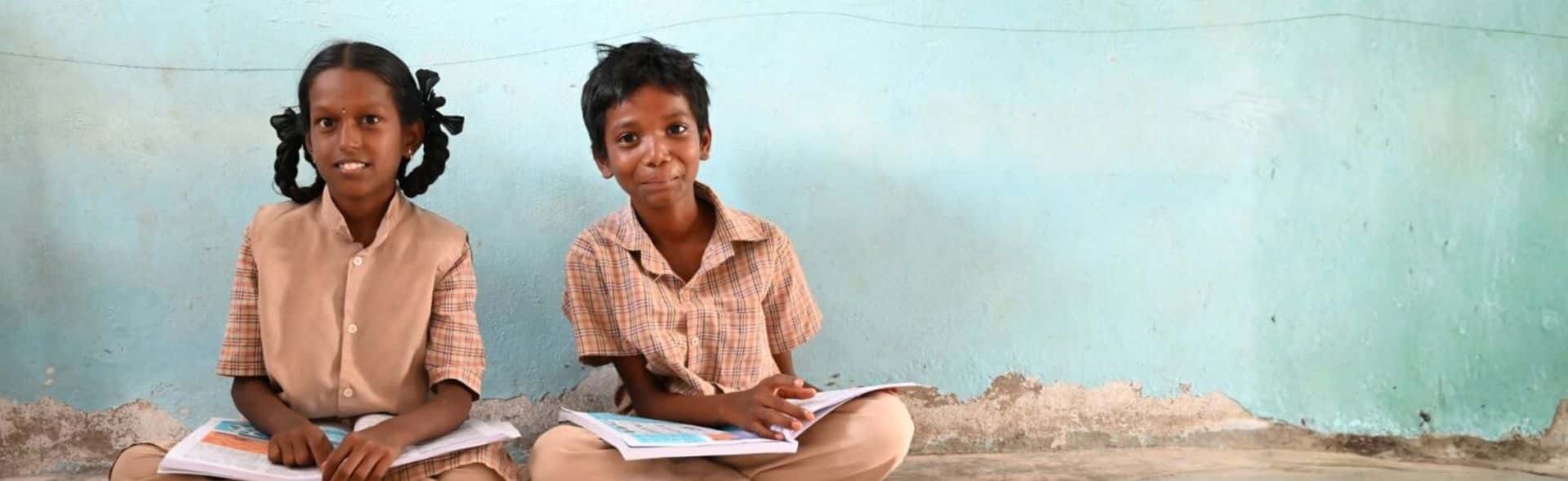
Communities find it hard to return to normalcy after an event such as a devastating flood. However, education plays a key role in making it slightly easier for them. Restored learning environments allow children to get back into their usual routine. It further assists them in rebuilding the self-confidence that might have been hampered.
Restoring Learning Environments
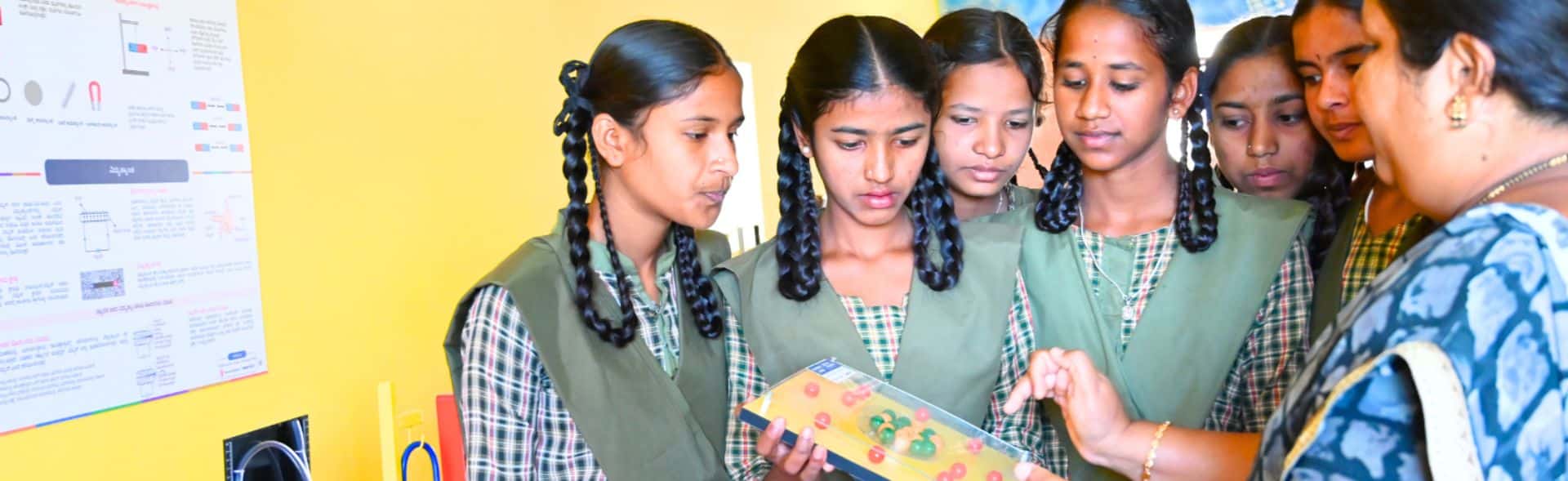
Community recovery efforts must also involve the restoration of safe and welcoming classrooms. Hence, education initiatives often focus on the following areas:
- Repairing classrooms and learning spaces.
- Providing age-appropriate learning materials.
- Improving classroom readiness.
- Supporting teachers with learning resources.
Helping Children Continue Learning
Supporting uninterrupted learning ensures that children remain continually engaged in their educational journey.
It is important for common initiatives at the community level to include the following:
- Community learning activities.
- Temporary learning support where required.
- Distribution of educational materials.
- Encouraging regular school attendance.
Such initiatives ensure greater participation in education from the community as a whole.
Communities Become Stronger Through Collective Action
Long-term recovery of Assam after the floods depends on community participation. Every recovery effort will have the greatest effect and lead to sustainable recovery only when done collectively.
Collective action supports recovery through:
- Community awareness activities.
- Preparedness and resilience programmes.
- Volunteer participation.
- Collaboration between schools, healthcare providers and local organisations.
Shared responsibility is also key when communities, volunteers, and organisations work together. It is crucial for every part of the collective to shoulder its responsibility to provide the necessary support to children and the affected.
How an NGO in India Supports Long-Term Recovery?
Immediate relief efforts are only the beginning of the long road to recovery. It continues well beyond those early efforts, and it goes on for a long time to come. That is an area where an NGO in India works in collaboration with the public authorities and the broader community.
Key areas of support include:
- Education support through learning materials and school-based initiatives.
- Healthcare support to improve access to essential services.
- Community awareness programmes that promote preparedness and resilience.
- Child welfare initiatives that create safe and supportive environments.
- Collaboration with local authorities and community groups to strengthen recovery efforts.
Why Long-Term Recovery Creates Lasting Change?
Once the essential services to sustain life are restored, the road to recovery begins. Lasting benefits for children and families affected by floods can be made possible by empowering communities, rebuilding schools, and, of course, improving the infrastructure.
Long-term recovery contributes by:
- Strengthening preparedness for future emergencies.
- Improving access to education and healthcare.
- Creating safer community spaces.
- Supporting stronger local partnerships.
- Encouraging sustainable community development.
Every stage of recovery helps communities become more resilient while creating opportunities for continued growth and development.
How Can You Support Assam’s Recovery?
Recovery doesn’t end when the floods do. Together, we can help the people of Assam rebuild their homes, livelihoods and hope.
Individuals wanting to support the recovery in Assam can do so through the following ways:
- Choosing to donate money through trusted organisations.
- Sharing awareness about long-term recovery initiatives.
- Encouraging others to donate and support community programmes.
- Participating in local awareness and volunteer activities wherever possible.
Donate now: Assam Flood Donation | Help Children Affected by Floods
It is important to understand that every contribution is crucial when the aim is to strengthen healthcare initiatives, education, and child welfare programmes that are supporting the long-term recovery in the state of Assam.
Building a Stronger Future Together
Education, healthcare and community participation remain central to Assam’s long-term recovery. Continued investment in these areas will enable families and communities to move towards long-term recovery with the much-needed support and confidence.
Lasting progress is only possible if all stakeholders work in tandem to support the communities and create opportunities for those affected by the floods to overcome the massive challenges facing them.
Every contribution, however small, will contribute to a better future for the children being displaced and affected by the disaster.
Conclusion
Long after the floodwaters have receded, Assam’s journey towards rebuilding will continue. Even after the floods are no longer in the headlines, restoring education, healthcare, infrastructure and essential services will remain important to support communities as they move forward.
Moreover, it can only be done through a collaborative effort by all those involved in the rebuilding.
Bal Raksha Bharat (also known as Save the Children India) works alongside communities to support long-term recovery through initiatives that strengthen children’s well-being and access to essential services.
If you wish to contribute to the long-term recovery efforts for Assam, choosing to donate money to an NGO in India is the best way to join the efforts from a distance. It is crucial to reiterate that every contribution goes a long way in the recovery efforts.
FAQs
1: Why does recovery continue after floods?
Recovery includes restoring education, healthcare and essential community services.
2: How does an NGO in India support long-term recovery?
An NGO in India strengthens recovery through education, healthcare and child welfare initiatives.
3: How can individuals support Assam’s recovery?
Individuals can donate money, spread awareness and support trusted recovery initiatives.
4: Why is community participation important during recovery?
Community participation strengthens resilience and supports long-term recovery for children and families.

“I am an editor and technical specialist at Bal Raksha Bharat, responsible for publishing articles and posts. My role involves evaluating content for consistency, and ensuring a positive user experience across the website."

Email Newsletter
Stay updated with our latest blog posts and offers.
Categories

Popular Posts
- 10 inspiring self-made women entrepreneurs in india - 49880 views
- 80G Explained: Which Donations Qualify for Tax Benefits in India - 31018 views
- Top Ways to Protect Children and Support Their Development in India - 28380 views
- Role of Youth in Nation Building: Empowering Youth for a Stronger India - 26574 views
- What are the major causes of gender inequality? - 25897 views