Building resilient communities: helping children continue learning in flood-prone assam
 10/08/26
 Blog
Blog 94
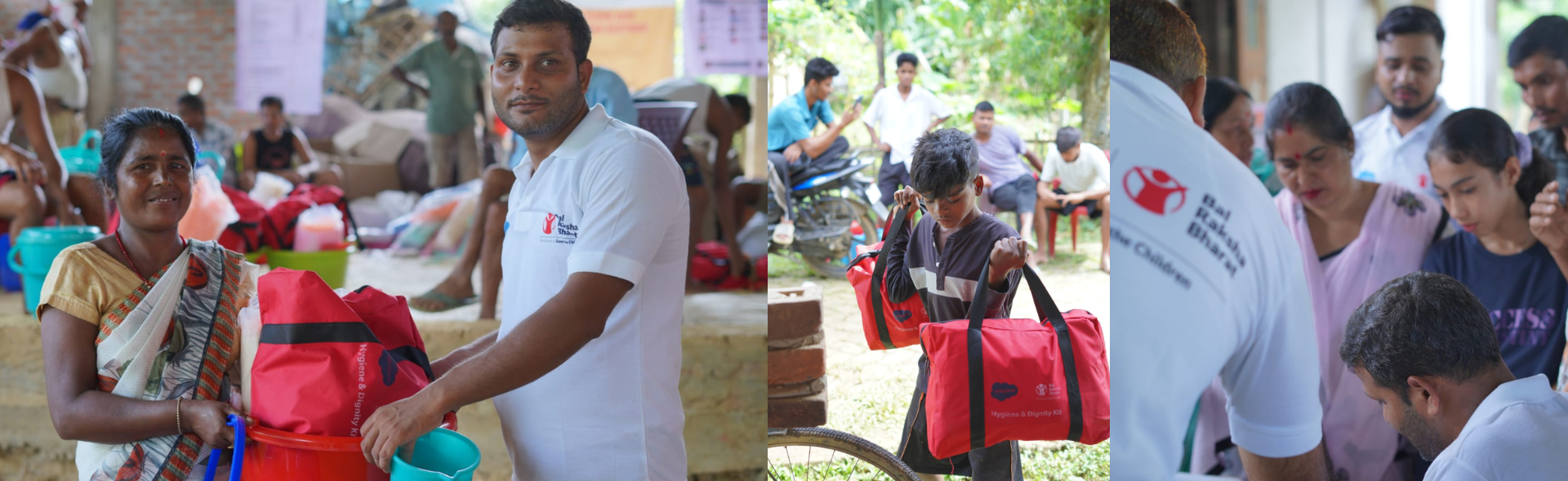
94The floods in Assam this year have caused massive damage, affecting thousands of families. The state is prone to seasonal floods, which result in the disruption of routine life and livelihood for its residents almost every year.
Even during these tough times, families, organisations, and communities come together to protect children’s education and to strengthen the community further. These efforts make sure that child welfare and education remain a vital priority.
Resilient communities are built through this kind of collaborative effort. Local communities, volunteers, educators, and organisations need to work together to build communities that can overcome challenges and continue to grow.
The role of a trusted NGO in India also comes into play here. When supported, such NGOs can work better with the community at large to ensure better outcomes and long-term recovery from the damage done.
Why Community Resilience Matters in Flood-Prone Assam?
Community resilience for people means their ability, as a collective, to prepare for rapidly changing situations, support one another during disasters like floods, and continue essential services.
Resilience is a crucial skill for the community to ensure long-term and sustained recovery while also avoiding any disruption to children’s well-being and education.
Key elements of resilient communities include:
- Community preparedness before, during and after flood season.
- Strong participation from families and local leaders.
- Continuous support for schools and learning spaces.
- Long-term planning that strengthens community well-being.
- Collaboration between organisations and local communities.
These combined efforts help communities continue supporting child education while creating safer and more prepared environments for children and families.
Keeping Education Moving During Challenging Times
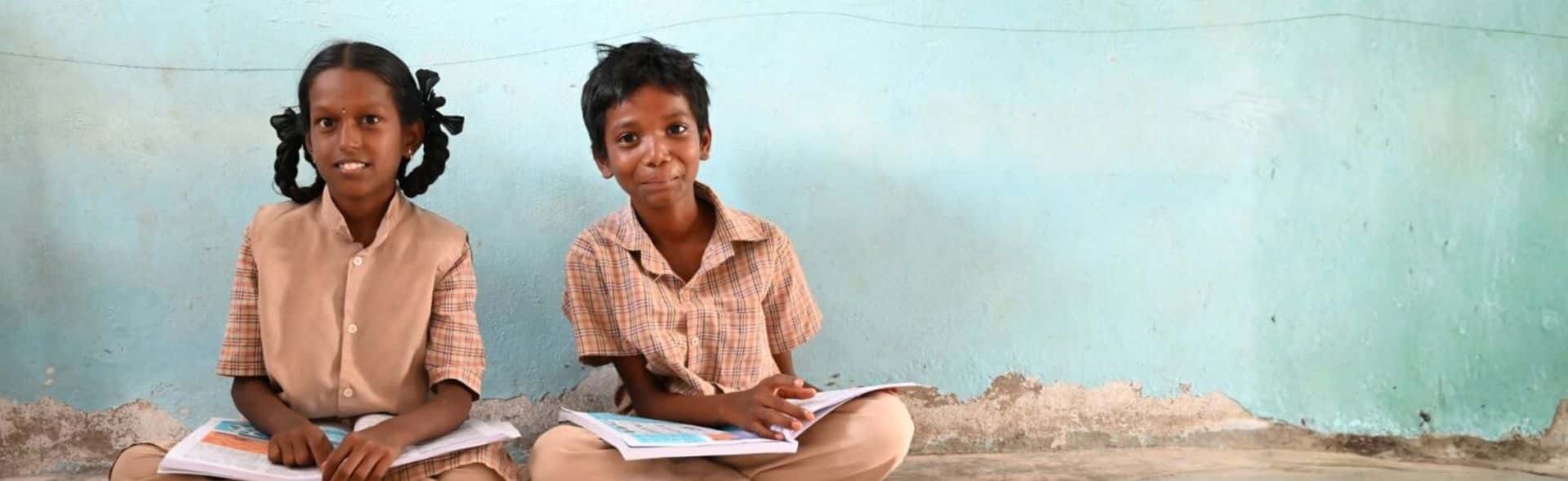
Disruptions in education can hamper a child’s confidence. Continuity is key for children to feel confident and think of a future where they are achieving their dreams and living a life filled with growth.
Key initiatives to ensure continuity in education are as follows:
- Flexible learning arrangements.
- Temporary learning spaces.
- Access to learning materials.
- Community participation in supporting education.
Ensuring Safe and Welcoming Learning Spaces
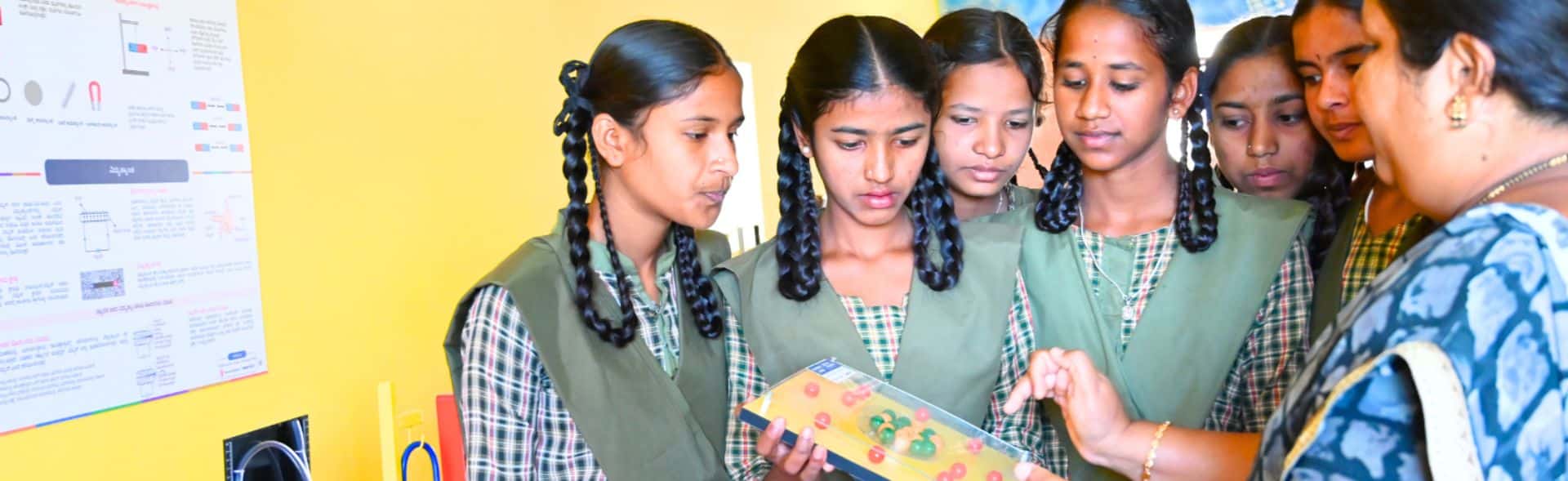
Safe and welcoming learning environments encourage children to continue their education with confidence. These spaces provide stability while supporting children’s overall development.
Common initiatives include:
- Temporary learning spaces where required.
- Distribution of age-appropriate learning materials.
- Safe and child-friendly classroom environments.
- Learning support for children returning to school.
These efforts strengthen child welfare while helping children continue their educational journey.
Supporting Learning Beyond the Classroom
Learning continues in many ways beyond regular classroom activities. Community participation helps children stay engaged with education while encouraging families to support learning at home.
Important initiatives include:
- Community learning activities.
- Reading and learning support programmes.
- Parent engagement in children’s education.
- Volunteer-led educational activities.
- Access to learning materials within communities.
Together, these initiatives strengthen child education and encourage children to continue learning with confidence.
Preparing Communities Before Flood Season
Awareness activities prove to be crucial in encouraging participation from families, local bodies, individuals, and schools in supporting child safety and welfare.
Some preparation efforts include the following:
- Community awareness programmes.
- School preparedness activities.
- Emergency planning within communities.
- Safe drinking water awareness.
- Hygiene education.
- Volunteer training programmes.
These initiatives strengthen preparedness while helping communities continue supporting children’s learning and development throughout the year.
The Role of Families, Teachers and Local Communities
Children continue their educational journey only when supported by families, teachers, and the community at large. This support becomes more important in the face of tough challenges like a flood. Collective effort by all stakeholders helps create growth-focused learning environments for the students.
Key contributions include:
- Supporting children’s emotional well-being.
- Encouraging regular school attendance.
- Strengthening collaboration between families and schools.
- Promoting community participation in education.
- Working together to build resilient communities.
These combined efforts strengthen child welfare and create positive learning environments where children can continue their educational journey.
How an NGO in India Strengthens Community Resilience?
Through education initiatives, awareness programmes and capacity-building activities, an NGO in India helps strengthen preparedness while promoting children’s learning and well-being.
Here’s how an NGO in India supports community resilience:
- Strengthening education continuity.
- Organising community awareness programmes.
- Creating child-friendly spaces.
- Supporting disaster preparedness initiatives.
- Conducting capacity-building programmes.
- Promoting child welfare through community-based initiatives.
Small Actions Create Lasting Change
Building resilient communities is a shared responsibility. Small and consistent actions from individuals, schools, organisations and local communities contribute towards stronger preparedness and improved learning opportunities for children.
Meaningful ways to contribute include:
- Participating in community initiatives.
- Volunteering for education programmes.
- Sharing awareness about preparedness.
- Supporting child education initiatives.
- Encouraging long-term community participation.
How You Can Help Build Resilient Communities?
You can help by:
- Choosing to donate money through trusted organisations.
- Supporting child education initiatives.
- Raising awareness within your community.
- Encouraging community participation.
Every contribution helps strengthen learning opportunities, preparedness initiatives and child welfare programmes. These programmes and initiatives go a long way in ensuring that communities build the confidence and skill-set to continue growing and thriving, irrespective of the obstacles thrown their way.
Conclusion
Communities need to be resilient if they aim to overcome obstacles like seasonal floods that come almost every year. Unfortunately, such is the case with the state of Assam. However, by building resilient communities, the state can protect its present and its future and that of its children.
This is at the core of our philosophy at Bal Raksha Bharat (also known as Save the Children India). We support efforts for building community resilience by working with families and schools, while focusing on our goal of protecting children and ensuring continued education and welfare initiatives for them.
FAQs
1: Why is community resilience important in flood-prone Assam?
It helps communities continue supporting children’s learning and well-being during seasonal floods.
2: How does an NGO in India strengthen community resilience?
An NGO in India supports education, preparedness, and child welfare through community-based initiatives.
3: Why is child education important during challenging times?
Continuous child education helps children stay connected to learning, maintain confidence, and support their emotional well-being.
4: How can individuals support resilient communities?
Individuals can donate money, volunteer, spread awareness and support trusted organisations working with communities.

“I am an editor and technical specialist at Bal Raksha Bharat, responsible for publishing articles and posts. My role involves evaluating content for consistency, and ensuring a positive user experience across the website."

Email Newsletter
Stay updated with our latest blog posts and offers.
Categories

Popular Posts
- 10 inspiring self-made women entrepreneurs in india - 49880 views
- 80G Explained: Which Donations Qualify for Tax Benefits in India - 31018 views
- Top Ways to Protect Children and Support Their Development in India - 28380 views
- Role of Youth in Nation Building: Empowering Youth for a Stronger India - 26574 views
- What are the major causes of gender inequality? - 25897 views