What is the role of education in human capital formation?
 12/06/26
 Blog
Blog 626
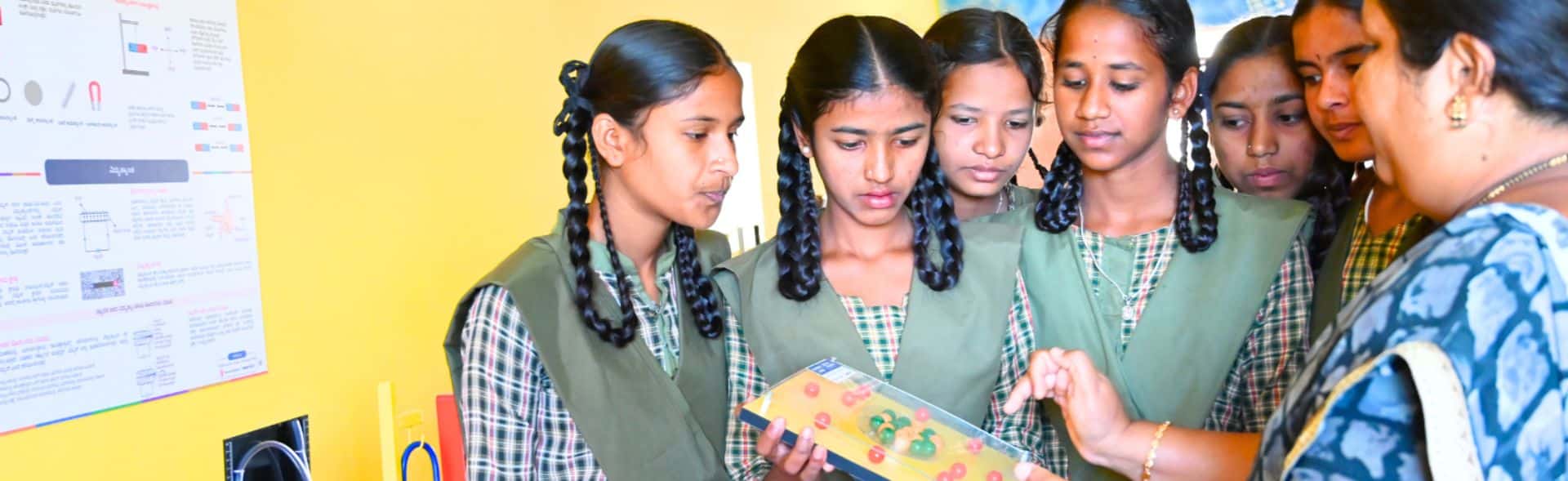
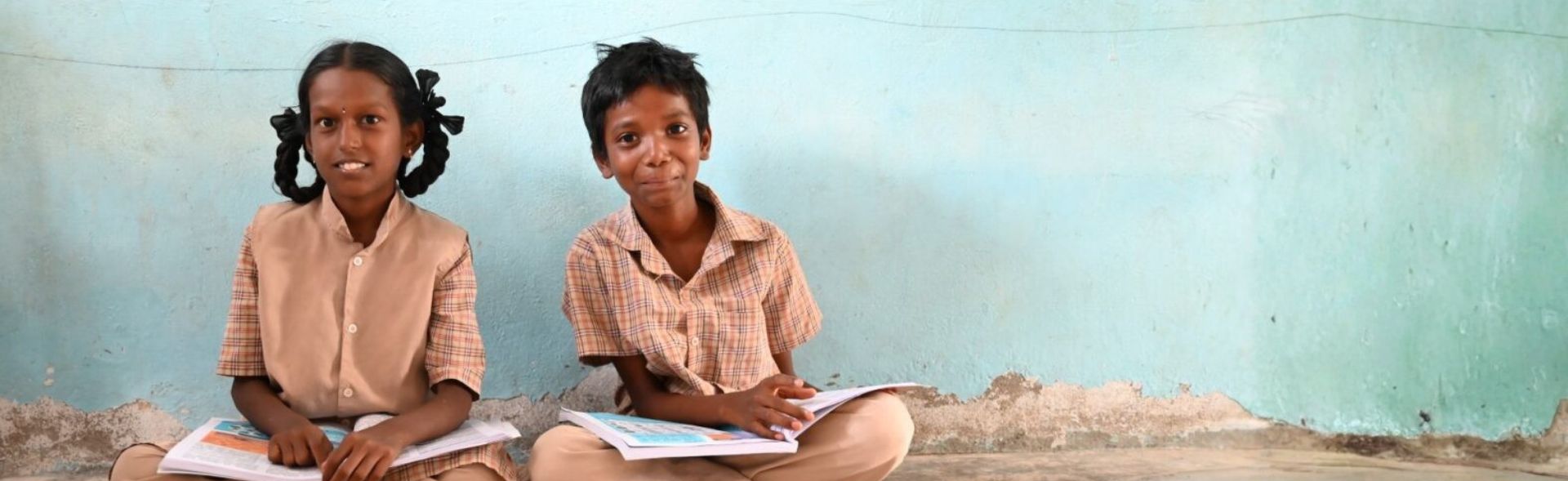
626Education plays a key role in human capital formation by helping people develop knowledge, skills, and confidence. It creates opportunities for personal growth, supports better livelihoods, and enables individuals to contribute positively to society. Understanding the role of education in human capital formation helps explain why investing in learning is important for long-term development.
Education’s Role in Social Development
Education plays an important role in addressing social inequalities and creating opportunities for individuals from diverse backgrounds.
Education contributes to social development in several ways:
- It helps reduce social and economic inequalities by creating access to opportunities.
- It promotes social inclusion at all levels.
- It encourages informed decision-making among individuals.
- It strengthens participation within communities and civic life.
Importance of Health in Human Capital Formation
With education, health also plays a crucial role in human capital formation.
The role of health in human capital formation is reflected in the ability of healthy individuals to learn, work, and participate actively in society.
Good health supports the following:
- Better concentration and learning ability
- Improved school attendance
- Higher productivity
- Stronger physical and emotional wellbeing
Nutrition is especially important during childhood because it directly affects growth and cognitive development. Access to healthcare remains particularly important in rural and underserved communities where health challenges can affect educational outcomes and future opportunities.
Healthy children are better able to participate in learning and development opportunities, helping them contribute positively to society over time.
Right to Education and its Importance in India
The Right to Education Act, 2009, provides free and compulsory education for children between the ages of 6 and 14.
This legislation supports education in India in several ways:
- It increases school enrolment, particularly in underserved regions.
- It promotes inclusion in education across the country.
- It supports children from diverse backgrounds by improving access to learning opportunities.
- It helps reduce barriers that can affect participation in education.
The Act has contributed to improving literacy levels and increasing educational participation across many parts of India.
Many organisations, including education-focused NGOs, work in alignment with educational policies and initiatives to improve access to learning opportunities.
Role of NGOs in Education in India
Education-focused NGOs play an important role in supporting children who face barriers to accessing quality learning opportunities.
At Bal Raksha Bharat (also known as Save the Children India), we work with communities where children face challenges in accessing educational resources and opportunities.
Some of our focus areas include:
- Community awareness initiatives
- Educational support programmes
- School enrolment drives
- Learning enhancement initiatives
Additionally, we support:
- Scholarship opportunities for children
- Digital learning initiatives
- Teacher training programmes
- Programmes focused on girls’ education
Through ongoing efforts, organisations working in education help children continue their learning journey and develop skills that support long-term growth and development.
Challenges Affecting Human Capital Formation in India
Despite progress, several challenges continue to affect human capital development.
Some key challenges include:
- Lack of access to quality education: Gaps in infrastructure, unequal learning opportunities, and shortages of educators in certain regions.
- Financial constraints: Economic pressures on families that can affect educational participation and continuity.
- Healthcare inequalities and nutrition-related challenges: Limited access to healthcare, nutrition, and learning barriers linked to health concerns.
- High school dropout rates: Interruptions in education that can reduce future opportunities and contribute to ongoing social and economic challenges.
- Digital gap in rural communities: Limited internet connectivity and access to technology, which can affect digital learning opportunities.
Addressing these challenges is essential for strengthening human capital formation across India.
Conclusion
Education is at the centre of human capital formation. It helps individuals build the knowledge, skills, and confidence needed to participate meaningfully in society and contribute to long-term development. It also supports people in adapting to changing social and economic environments while continuing to learn and grow.
When strengthened together, education and health contribute to stronger communities, improved opportunities, and sustainable social and economic progress. The role of education in human capital formation and the role of health in human capital formation remain closely connected in supporting individual and community development.
FAQs
1. What is human capital formation?
Human capital formation is the process of improving people’s knowledge, skills, health, and abilities through investments in education, healthcare, training, and overall development. It helps individuals contribute more effectively to society and the economy.
2. What is the role of education in human capital formation?
Education plays a key role in human capital formation by developing knowledge, skills, critical thinking, and employability. It prepares individuals to participate in economic activities, make informed decisions, and contribute to social development.
3. Why is education important for economic growth?
Education helps individuals develop skills and knowledge that improve productivity, encourage innovation, and support employment opportunities. A well-educated population contributes to economic growth and sustainable development.
4. How does health contribute to human capital formation?
Good health supports learning, productivity, and overall wellbeing. Healthy individuals are better able to attend school, acquire skills, participate in the workforce, and contribute positively to society.
5. What is the importance of the Right to Education Act in India?
The Right to Education Act, 2009, ensures free and compulsory education for children aged 6 to 14 years. It promotes inclusion, increases school enrolment, and helps reduce barriers to education.

“Naveen is an SEO expert and digital marketing analyst at Bal Raksha Bharat with a passion for helping businesses grow online. With a data-driven approach, he specializes in boosting search rankings, driving traffic, and optimizing digital strategies. Follow for tips on SEO, content, and marketing trends."

Email Newsletter
Stay updated with our latest blog posts and offers.
Categories

Popular Posts
- 10 inspiring self-made women entrepreneurs in india - 49842 views
- 80G Explained: Which Donations Qualify for Tax Benefits in India - 31000 views
- Top Ways to Protect Children and Support Their Development in India - 28379 views
- Role of Youth in Nation Building: Empowering Youth for a Stronger India - 26565 views
- What are the major causes of gender inequality? - 25798 views