
How to build social skills for kids through social change
 29/01/26
 Blog
Blog 319
319When children participate in community service and NGO-led initiatives, they do not just “volunteer”—they practice collaboration, develop perspective-taking, and apply interpersonal skills in live environments. This article frames that opportunity as an operational system: social change becomes the interface through which social skills for kids become a lived reality.
Guided exposure to social change environments
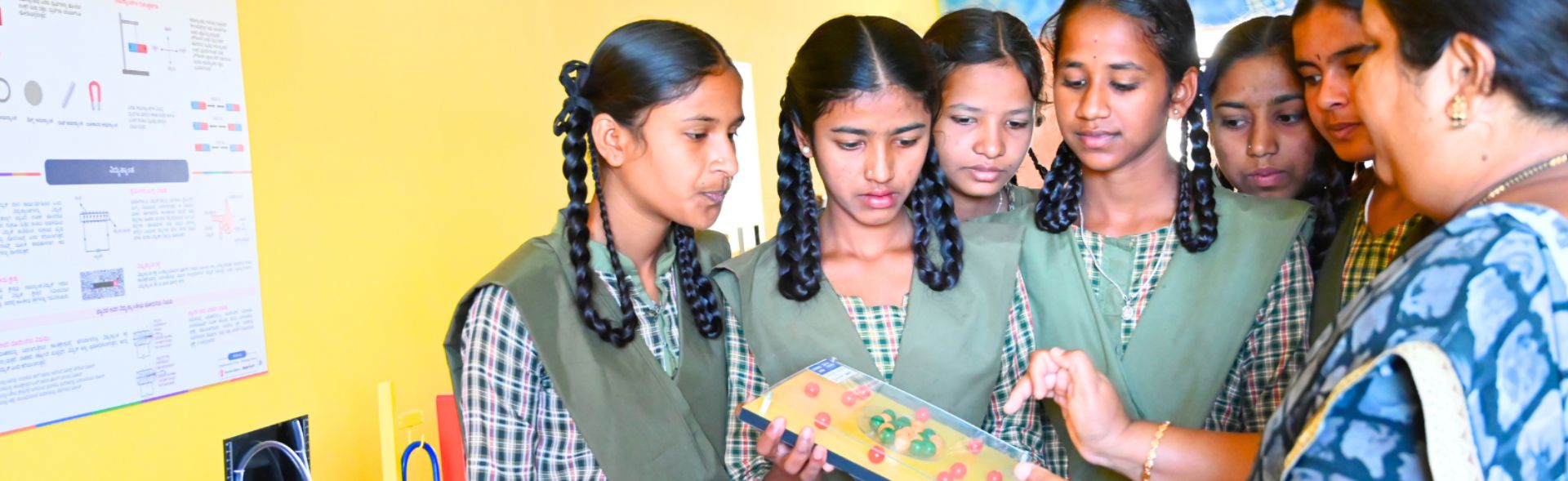
Children develop social skills most consistently when exposed to varied social environments with light scaffolding. A local NGO or community group provides exactly this structure: predictable activities, adult oversight, and diverse participants. Guided exposure functions as the first pillar of capability-building.
Children start referencing new friends by name. They explain processes they learned from NGO coordinators. They show curiosity about other children’s roles. Because the environment is structured around service—not performance—children tend to participate with intrinsic motivation. They associate social interaction with meaningful contribution, which strengthens confidence. This is one of the most important ways of how to develop social skills.
Collaborative action through real community tasks
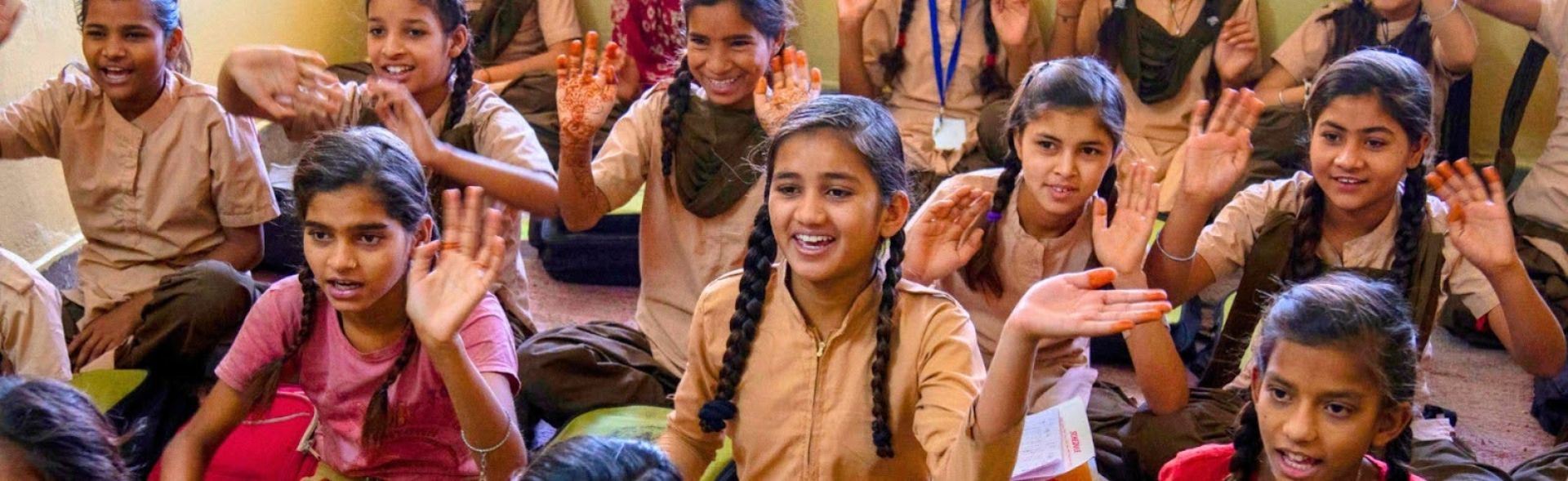
Once children are familiar with community rhythms, the next pillar—collaborative action—transforms participation into teamwork. Collaboration is the engine behind social skill growth and can also underpin social development in children. Each child performs a part of the workflow, and the group succeeds only when these parts converge. For example, during a food distribution event, one child organises supplies, another prepares packets, and a third manages handoffs. This configuration encourages clear communication: children check in, confirm sequences, and ask for support. These behaviours build conversational fluency and mutual respect.
Children learn that teammates have varied working styles, and these differences enhance output. When one child prefers planning while another prefers hands-on work, coordinators position it as complementary: “Your strength is organising; your teammate’s strength is assembling. Together you complete the process.” This cultivates positive identity, especially for children who benefit from additional social practice and social skill development.
Children also build cross-age communication. Younger participants learn vocabulary and cues from older peers, while older children practice leadership without pressure. This dynamic aligns with India-scale community models where mixed-age groups are common.
Structured reflection to consolidate social learning
When children process what happened during an NGO activity—what they said, how they responded, what their peers contributed—they transform one-off participation into long-term social fluency. Structured reflection uses simple prompts but follows a clear workflow: describe, interpret, plan. Children recount interactions, identify strengths, and set intentions for the next session, especially when they are engaging with initiatives led by the well-known NGO for children, Bal Raksha Bharat.
Structured reflection also supports children who prefer observation before participation. Their quieter engagement is framed positively: coordinators highlight how careful noticing improves group work. Reflection becomes a shared monitoring system: children articulate their growth; adults capture patterns; programs evolve accordingly. Because reflection is language-dependent, multilingual accessibility matters. Using children’s home languages—Gujarati, Telugu, Marathi, and Spanish—activates fuller expression. NGOs that run bilingual circles report are likely to have broader participation and more nuanced responses. This inclusivity aligns with a central principle: social development accelerates when children can speak in the language they use to think.
Sustained community identity to anchor long-term skills
Children, when they participate in ongoing NGO partnerships rather than isolated events, come to recognise familiar volunteers, anticipate workflows, and welcome new peers. Over time, they adopt community language: “We check the supplies first,” or “We help younger kids choose books.”
This creates a stable social interface. Children know what to expect, how to behave, and how to support others. Predictability reinforces confidence while still allowing new challenges. Peer relationships also strengthen because interactions are repeated and cooperative. Communication becomes intentional: children explain tasks to newcomers, ask clarifying questions, and mediate small disagreements. Each behaviour reinforces belonging, which is crucial to social development in children.
Children understand that communities operate through shared effort; they see impact through completed projects; they connect kindness with action. NGOs play a central role in sustaining identity. They maintain safe environments, track attendance, and provide accessible pathways for families. Structured roles for children reinforce continuity.
When combined, guided exposure, collaborative action, structured reflection, and sustained community identity create a continuous loop. Children enter through curiosity, interact through teamwork, consolidate through reflection, and maintain through identity. This architecture parallels how strong operational systems work: predictable inputs, clear workflows, and iterative learning.
Bal Raksha Bharat, an NGO for children, develops social skills in children through child participation programs, group activities, and holistic education initiatives that emphasize collaboration, communication, and community engagement. Working as an education NGO, it forms children’s groups, Bal Panchayats, and student club committees at community and school levels, providing platforms for kids to express themselves, share experiences, and address issues like health, hygiene, and peer conflicts. These groups foster leadership, teamwork, and advocacy skills, turning children into agents of social change by mapping risks, planning actions, and interacting with local leaders.

“Naveen is an SEO expert and digital marketing analyst at Bal Raksha Bharat with a passion for helping businesses grow online. With a data-driven approach, he specializes in boosting search rankings, driving traffic, and optimizing digital strategies. Follow for tips on SEO, content, and marketing trends."

Email Newsletter
Stay updated with our latest blog posts and offers.
Categories

Popular Posts
- 10 inspiring self-made women entrepreneurs in india - 49375 views
- 80G Explained: Which Donations Qualify for Tax Benefits in India - 30330 views
- Top Ways to Protect Children and Support Their Development in India - 28311 views
- Role of Youth in Nation Building: Empowering Youth for a Stronger India - 26484 views
- What are the major causes of gender inequality? - 23515 views