Role of ngos in promoting child welfare in india
 12/02/24
 Blog
Blog 4187
4187Role of NGOs In India
Non-governmental organisations (NGOs) play a vital role in promoting and protecting child welfare across India. They work to ensure that every child has access to education, healthcare, and protection from exploitation and abuse.
Through on-ground interventions, advocacy, and community engagement, NGOs help bridge critical gaps in child welfare systems and support vulnerable children across the country.
Education
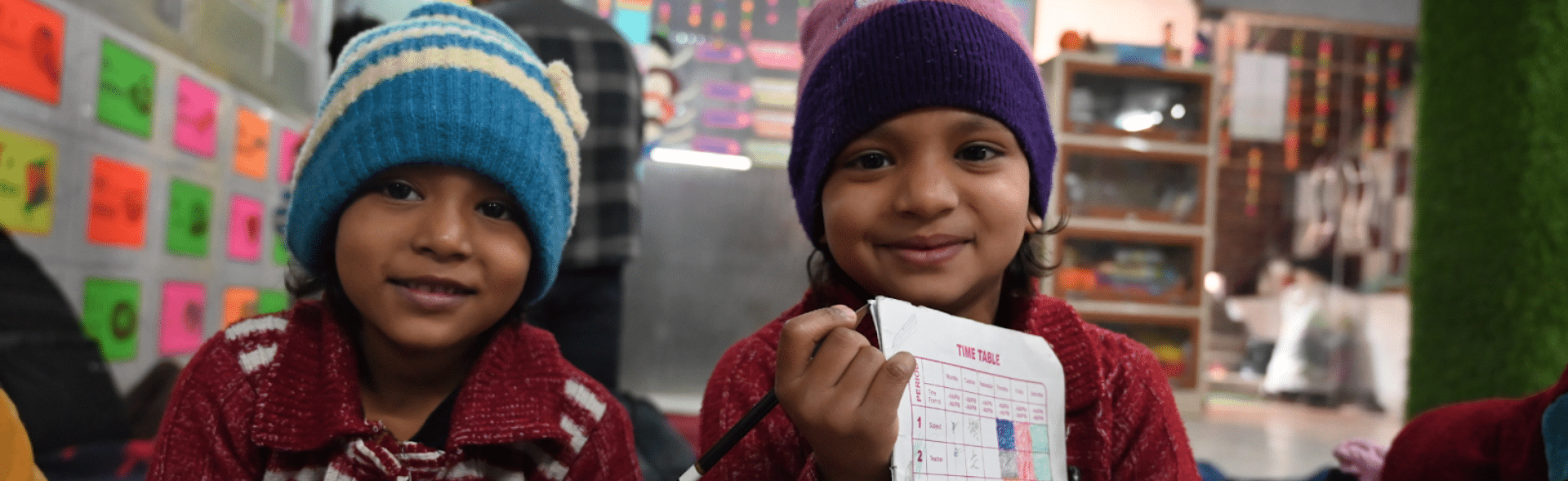
Education is one of the key areas where NGOs create significant impact. They address last-mile challenges that prevent children from accessing quality education. NGOs set up learning centres, provide educational materials, offer scholarships, and encourage people to donate for child education to support these initiatives.
Healthcare
Healthcare is another critical aspect of child welfare where NGOs play a major role. They organise medical camps, immunisation drives, and awareness programmes to address issues such as malnutrition and preventable diseases. These efforts help improve children’s overall health and contribute to building a healthier future generation.
Child labour
NGOs actively work to rescue children from exploitative labour and provide rehabilitation support. They offer education, vocational training, and counselling to help children rebuild their lives. By addressing the root causes of child labour, NGOs help children move towards safer and more secure futures.
Advocacy
Advocacy is a powerful tool used by NGOs to promote child rights and influence policy changes. Through campaigns, workshops, and media engagement, they raise awareness about issues affecting children. NGOs also work towards strengthening legal frameworks and ensuring effective implementation of child protection laws.
Equal opportunities
NGOs promote equal opportunities for all children, especially girls, by addressing gender-based discrimination. Their initiatives empower girls through education and skill development, enabling them to achieve their full potential.
Community engagement
Community engagement is a core pillar of NGO work. By working closely with local communities, NGOs build trust, raise awareness, and create sustainable support systems for children. This ensures that initiatives are culturally relevant and have long-term impact.
Disaster relief
NGOs provide immediate relief to children affected by disasters and emergencies. They offer shelter, food, medical aid, and psychosocial support. Many organisations also focus on long-term rehabilitation to help children recover and rebuild their lives.
Collaboration with government agencies
Collaboration with government agencies enhances the impact of NGO initiatives. By aligning with public programmes, NGOs help scale solutions and ensure wider reach. This partnership creates a more coordinated and effective approach to child welfare in India.
Conclusion
Bal Raksha Bharat (also known as Save the Children India) plays a key role in driving sustainable change for children across India. The organisation works across critical areas such as education, healthcare, child protection, and disaster response. Since its inception, it has impacted over 10 million children through scalable and evidence-based programmes.
By supporting organisations like Bal Raksha Bharat, individuals can donate to creating a safer, healthier, and more equitable future for children.
FAQs
-
What is the role of NGOs in child welfare in India?
NGOs play a crucial role in child welfare in India by providing access to education, healthcare, nutrition, and protection from abuse and exploitation. They also work on awareness, advocacy, and policy implementation.
-
How do NGOs help improve child education in India?
NGOs support child education by setting up learning centres, providing study materials, offering scholarships, and addressing last-mile challenges that prevent children from attending school.
-
Why are NGOs important for child protection?
NGOs help protect children by rescuing them from child labour, preventing abuse, and ensuring access to safe environments. They also work with communities and authorities to strengthen child protection systems.
-
How can individuals support NGOs working for child welfare?
Individuals can support NGOs by donating, volunteering, spreading awareness, or participating in fundraising initiatives that help improve the lives of vulnerable children.

“With over 20 years of dedicated experience in the social development sector, I am passionate about championing child rights and community empowerment through innovative communication strategies. I am Manager for Programme Campaigns and Communication with Bal Raksha Bharat (Save the Children)."


Email Newsletter
Stay updated with our latest blog posts and offers.
Categories

Popular Posts
- 10 inspiring self-made women entrepreneurs in india - 44411 views
- Top Ways to Prevent and Stop Child Labour in India - 27645 views
- Role of Youth in Nation Building: Empowering Youth for a Stronger India - 25520 views
- 80G Explained: Which Donations Qualify for Tax Benefits? - 24854 views
- Experience Joy Of Giving This Diwali 2025 By Making A Donation - 19386 views