How does the anganwadi feeding programme nourish young lives?
 09/07/25
 Blog
Blog 4330
4330Good nutrition during early childhood helps children grow, learn, and stay healthy. These early years are important for physical and mental development, making balanced meals essential for overall well-being.
The Anganwadi feeding programme, delivered through Anganwadi Centres under the Integrated Child Development Services (ICDS), supports the health and development of young children, pregnant women, and lactating mothers by providing nutritious supplementary meals and nutrition-related services. Along with early childhood care, health check-ups, growth monitoring, and nutrition awareness, the programme helps create a strong foundation for lifelong development.
Understanding how this programme works highlights the importance of community-based nutrition initiatives in supporting children’s growth. Organisations, communities, and every NGO in India working in alignment with government initiatives also play an important role by strengthening awareness, improving access, and supporting child-focused programmes.
What Is the Anganwadi Feeding Programme?
The Anganwadi feeding programme is a community-based nutrition initiative that provides supplementary nutrition to children below six years of age, along with pregnant women and lactating mothers. It operates through thousands of Anganwadi Centres across the country, bringing nutrition and early childhood services closer to families.
The programme focuses on:
- Providing age-appropriate supplementary nutrition
- Supporting healthy physical and cognitive development
- Encouraging regular growth monitoring
- Promoting nutrition awareness among families
- Supporting early childhood care and pre-school learning
Together, these services help children receive the care they need during their most important developmental years.
Why Early Childhood Nutrition Matters
The first few years of a child’s life influence future learning, health, and overall development. A balanced diet provides essential nutrients that support:
- Healthy physical growth
- Brain development and learning ability
- Strong immunity
- Improved concentration and participation in early learning activities
- Better overall well-being
When nutrition is combined with healthcare, hygiene, and early education, children are better prepared to achieve their developmental milestones.
How the Anganwadi Feeding Programme Supports Children’s Development
The programme goes beyond providing meals. It brings together several services that contribute to children’s holistic development.
Supplementary Nutrition
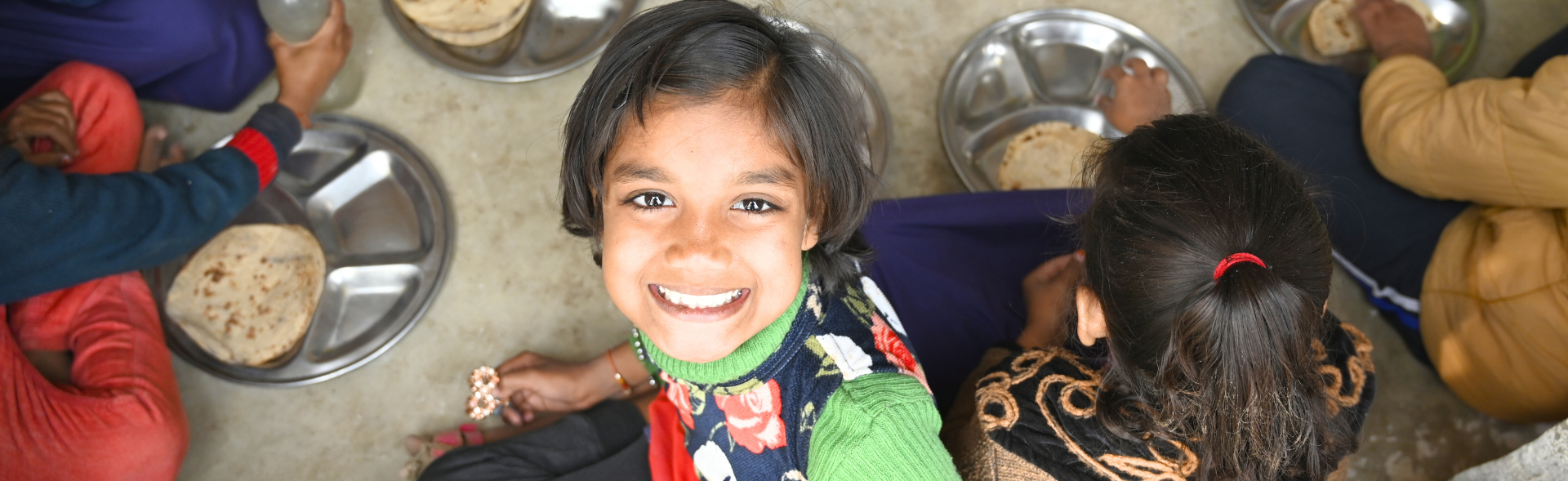
Children receive nutritious supplementary meals that add to the food they eat at home. These meals are designed according to age-specific nutritional requirements and help support healthy growth.
Growth Monitoring
Regular monitoring helps track children’s height and weight over time. This allows caregivers and health workers to understand children’s developmental progress and provide guidance whenever required.
Early Childhood Care and Learning
Many Anganwadi Centres also provide pre-school learning activities that help children develop communication, creativity, motor skills, and social skills before entering formal schooling.
Nutrition Awareness for Families
Parents and caregivers receive practical guidance on healthy eating habits, balanced diets, hygiene, and childcare practices that can be followed at home.
Support for Mothers
Pregnant women and lactating mothers also receive supplementary nutrition and counselling, helping promote healthy maternal and child well-being.
The Wider Benefits of the Anganwadi Feeding Programme
The programme contributes to stronger and healthier communities in several ways.
Encourages Healthy Development
Access to regular supplementary nutrition supports children’s physical development during their early years.
Supports School Readiness
Nutritious meals combined with early learning activities help children build communication, social, and learning skills before starting school.
Strengthens Community Participation
Anganwadi Centres encourage active involvement from families, community workers, and local stakeholders, creating greater awareness about child nutrition and development.
Promotes Better Health Practices
Through nutrition education and health awareness sessions, families learn practical ways to support children’s growth and well-being at home.
The Role of Families in Supporting Child Nutrition
While the programme plays an important role, families remain central to a child’s healthy development.
Parents and caregivers can contribute by:
- Providing a balanced and varied diet whenever possible
- Encouraging regular meal timings
- Maintaining good hygiene practices
- Participating in nutrition awareness sessions organised by Anganwadi Centres
- Monitoring children’s growth and development through regular health check-ups
Small, consistent efforts at home complement the services offered through community programmes.
Community Participation Makes a Difference
Improving child nutrition is a shared responsibility. Communities can strengthen the impact of the programme by:
Encouraging Regular Attendance
Helping families understand the benefits of visiting Anganwadi Centres regularly ensures children receive continuous support.
Promoting Nutrition Awareness
Community awareness programmes can encourage healthy eating habits and informed caregiving practices.
Supporting Early Learning
Volunteers, teachers, educators, and local organisations can contribute to creating enriching learning environments for young children.
Building Local Partnerships
Community groups, healthcare providers, educational institutions, and organisations and NGOs working for child welfare can work together to strengthen child-focused programmes and reach more families.
How Bal Raksha Bharat Supports Children’s Development
At Bal Raksha Bharat (also known as Save the Children India), we believe every child deserves the opportunity to grow in a safe, healthy, and supportive environment.
Working since 2004, we have reached 11 million children across 26 States and Union Territories through more than 60 programmes focused on education, healthcare, nutrition, protection, inclusion, resilience, disaster relief, and emergency preparedness.
Working alongside communities, local partners, and government policies, we support initiatives that strengthen child welfare, improve awareness, and help create better opportunities for children to learn, grow, and build a brighter future.
Individuals who wish to support these efforts can contribute through donations, helping more children access education, healthcare, nutrition, and protection through various programmes.
Conclusion
The Anganwadi feeding programme plays an important role in supporting children’s nutrition, health, and early development. By combining supplementary nutrition with early learning, health monitoring, and family awareness, the programme helps build a strong foundation during the most important years of childhood.
The continued participation of families, communities, educational institutions, and organisations can further strengthen these efforts. Together, by supporting child-focused initiatives and encouraging meaningful donations, we can help create a healthy environment where every child has the opportunity to learn, grow, and achieve their full potential.
FAQs
1. What is the Anganwadi feeding programme?
The Anganwadi feeding programme provides supplementary nutrition, growth monitoring, early childhood care, and nutrition awareness for children below six years of age, pregnant women, and lactating mothers through Anganwadi Centres.
2. Why is the Anganwadi feeding programme important?
It helps improve children’s nutrition, early learning, and overall well-being while encouraging nutrition awareness among families and communities.
3. Who benefits from the Anganwadi feeding programme?
The programme primarily supports children below six years of age, pregnant women, and lactating mothers through community-based nutrition and early childhood services.
4. How can communities support the Anganwadi feeding programme?
Communities can encourage regular participation, promote nutrition awareness, support early learning activities, and work with local organisations to strengthen child welfare initiatives.
5. How does Bal Raksha Bharat contribute to children’s development?
Bal Raksha Bharat works alongside communities and government policies through programmes focused on education, healthcare, nutrition, protection, inclusion, resilience, disaster relief, and emergency preparedness, helping children access opportunities for healthy growth and development.

“I am an editor and technical specialist at Bal Raksha Bharat, responsible for publishing articles and posts. My role involves evaluating content for consistency, and ensuring a positive user experience across the website."

Email Newsletter
Stay updated with our latest blog posts and offers.
Categories

Popular Posts
- 10 inspiring self-made women entrepreneurs in india - 50126 views
- 80G Explained: Which Donations Qualify for Tax Benefits in India - 31089 views
- Top Ways to Protect Children and Support Their Development in India - 28393 views
- What are the major causes of gender inequality? - 26638 views
- Role of Youth in Nation Building: Empowering Youth for a Stronger India - 26606 views