
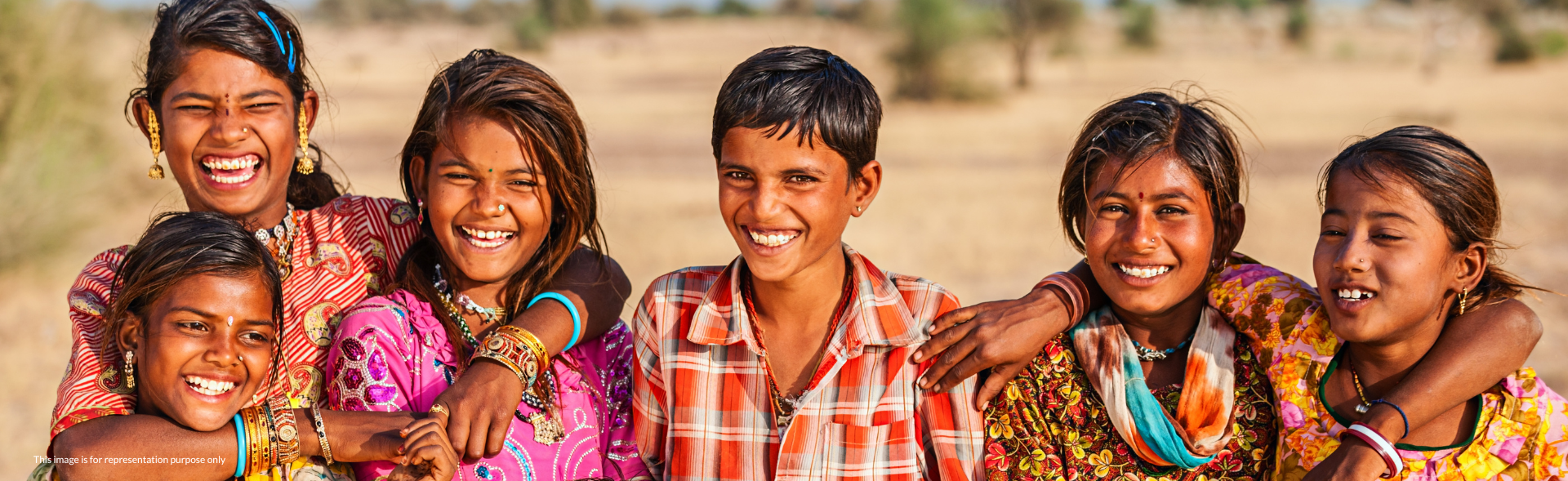
Role of youth in nation building: empowering youth for a stronger india
 12/05/25
 Blog
Blog 25550
25550The role of youth in nation building merits analysis and discussion, as it represents one of the most significant investments any nation can make towards ensuring a prosperous future. Young people bring fresh perspectives, technological adaptability, and energy; these are assets that can transform communities and national systems. Harnessing the unique qualities that youth bring, by supporting, engaging and catalysing them, can unleash positive change across social, economic, and political dimensions of a nation. This role of youth in nation building examines how empowering young citizens can strengthen the foundation of a nation and create sustainable pathways for development.
Why Youth Matter: The Current Landscape of Youth and Nation Building
Today’s youth live in a world that is defined by rapid technological advancement, economic transformation, and evolving social structures. However, these changes must serve as opportunities that serve youth, as seen in the remarkable examples of youth-led movements addressing climate change, educational reform, and social justice. Towards this regard, youth activists have leveraged digital platforms to mobilise peers and amplify their voices in unprecedented ways.
Some schools have embraced project-based learning, student-led initiatives, and civic education programmes that develop leadership capabilities and community awareness. Other schools leverage models to help students explore the process of civic engagement such as through classroom elections, Model United Nations, etc.
Foundations of Empowering Youth for Effective Nation Building
The foundation of meaningful youth empowerment is the recognition of young people as valuable contributors. This replaces the old paradigm of students being passive recipients of guidance from adults. By recognising their role and energies, organisations are able to adopt and deploy a strengths-based approach that acknowledges the unique capabilities, insights, and energy that youth can bring to community challenges – making them resources to be developed and engaged. When experienced adults provide guidance while respecting youth, young people develop confidence in their abilities alongside practical skills. Effective mentorship creates space for trial and error, encouraging learning through experience rather than mere instruction.
The Role of Literacy and Education in Youth and Nation Building
Digital literacy and technological fluency are major competencies for modern youth empowerment. Young people who can navigate, evaluate, and create digital content possess powerful tools for civic engagement and professional development. Communities that invest in technological infrastructure and education enable youth to connect with networks, access diverse perspectives, and develop solutions to local challenges using global resources.
Financial literacy similarly provides foundations for youth independence and community engagement. Young people who understand budgeting, saving, and entrepreneurial principles can build economic security while developing projects that address community needs.
Read Also: Challenges Faced by Children from Marginalised Indian Communities
Youth participation in nation building
Youth participation in nation building extends beyond voting and formal political engagement. Young citizens contribute meaningfully when they engage in local boards, public consultations, service initiatives, and structured advisory councils at institutional and civic levels. Service learning and volunteer programmes connect youth directly with community priorities, enabling them to develop leadership capabilities, civic awareness, and practical skills while contributing to local development. Such participation strengthens democratic processes and reinforces shared responsibility for national progress. As nations address complex social and economic transitions, the active engagement of empowered youth strengthens institutional resilience and strengthens democratic processes along with supporting long-term national progress.
Bal Raksha Bharat advances youth participation through structured education support, skill development initiatives, and community engagement programmes. The organisation works closely with government schools and local stakeholders to help young citizens remain in education keep learning, build employable competencies, and develop confidence through mentorship and guided civic involvement. By fostering resilience, responsibility, and practical capability, Bal Raksha Bharat strengthens youth engagement as a constructive force in nation building.
Challenges Faced by Youth in Nation Building
India’s youth today navigate a rapidly evolving social and economic landscape shaped by technological advancement, shifting employment patterns, and expanding civic expectations. In this context, several practical challenges emerge.
First, keeping pace with digital transformation requires continuous learning and reliable access to quality education and training. Without consistent guidance and resources, building relevant competencies can become difficult. Second, many youth seek clearer pathways to translate their aspirations into meaningful community participation. When structured opportunities are not easily visible, motivation may not always convert into action. Third, limited exposure to organised civic platforms can restrict opportunities to practise leadership, dialogue, and collaborative problem-solving.
However, with strong mentorship, skill development, and institutional support, motivated youth can transform uncertainty into capability and contribute constructively to national development.
Ways Youth Can Actively Contribute to Nation Building
Young motivated citizens can strengthen nation building through deliberate and informed action.
First, by pursuing quality education, vocational training, and continuous skill development, youth build the competence required to contribute effectively in professional, entrepreneurial, and civic spaces. Active participation in community initiatives, public consultations, and structured volunteer programmes allows youth to understand local priorities firsthand and contribute practical solutions. Such engagement nurtures responsibility, empathy, and informed decision-making. Furthermore, responsible participation in the growing digital ecosystem enables youth to exchange knowledge, collaborate across regions, and promote constructive dialogue.
When competence is combined with civic responsibility, youth become catalysts for inclusive growth and sustainable national progress.
How Bal Raksha Bharat Empowers Youth for Nation Building
Bal Raksha Bharat, implements a broad range of programmes across India that contribute to youth empowerment by enhancing education, building key life competencies, and strengthening community resilience. The organisation focuses on ensuring access to quality education and improved learning environments from early childhood through adolescence, supporting foundational and advanced skills crucial for personal and civic participation.
Through collaborations with communities, caregivers, schools, and government partners, Bal Raksha Bharat promotes equitable learning opportunities, safe school settings, and inclusive programmes that help young people build confidence and capability to engage constructively in society.
In addition, the organisation’s volunteer and community engagement initiatives create platforms where motivated youth can participate in service efforts and contribute to community development alongside peers and mentors.
Conclusion
Youth empowerment is a sustained national investment. When education is strengthened, life skills are nurtured, and participation is encouraged, youth gain the clarity and confidence required to contribute meaningfully to society. Institutions, communities, and organisations that prioritise such engagement create pathways for responsible leadership and inclusive growth.
As India continues to evolve socially and economically, empowered youth will remain central to shaping resilient communities, strengthening civic institutions, and advancing long-term national progress with purpose and optimism.
FAQ’s
-
What is the role of youth in nation-building?
Youth energise national progress with fresh perspectives, innovative ideas, and active participation in community and civic initiatives. Their engagement in education, service, and leadership supports social transformation and helps strengthen communities and institutions. Youth are key contributors to shaping a nation’s future and development.
-
In what ways can youth practically contribute to national development?
Youth contribute by pursuing quality education and skills, volunteering in community programmes, engaging in structured civic activities, and using digital platforms to collaborate and promote positive change. Such involvement builds competence, fosters social awareness, and drives inclusive development.
-
What is youth empowerment?
Youth empowerment means equipping young individuals with opportunities, confidence, resources, and skills to shape their futures, take responsibility, and participate meaningfully in social, educational, and economic activities.
-
Why is youth empowerment essential for sustainable development and economic growth?
Empowered youth contribute to a resilient workforce, promote innovation, and drive inclusive social progress. With skills and opportunities, they enhance productivity, support community wellbeing, and help nations adapt to evolving challenges.
-
How does education and literacy support the role of youth in nation-building?
Education and literacy equip youth with knowledge, critical thinking, and competencies necessary for effective participation in society. Meaningful learning expands opportunities, strengthens civic engagement, and enables youth to contribute to social and economic progress.
-
What challenges do youth face in playing their role in nation-building?
Youth may face barriers such as unequal access to quality education, limited exposure to structured civic platforms, and insufficient opportunities to apply skills in community contexts. With mentorship, supportive policies, and inclusive programmes, these challenges become opportunities for growth and contribution.

“I am an editor and technical specialist at Bal Raksha Bharat, responsible for publishing articles and posts. My role involves evaluating content for consistency, and ensuring a positive user experience across the website."

Email Newsletter
Stay updated with our latest blog posts and offers.
Categories

Popular Posts
- 10 inspiring self-made women entrepreneurs in india - 44808 views
- Top Ways to Prevent and Stop Child Labour in India - 27670 views
- Role of Youth in Nation Building: Empowering Youth for a Stronger India - 25550 views
- 80G Explained: Which Donations Qualify for Tax Benefits? - 24965 views
- Importance of Girl Child in Indian Society: Save & Empower - 19403 views