Non-profit organisation in india — how it works and why it matters
 19/06/26
 Blog
Blog 236
236In India, non-profit organisations play an important role in supporting communities and creating opportunities for people who may need additional assistance and resources. Many NGOs in India contribute to community development through programmes focused on education, healthcare, nutrition, disaster relief and child welfare.
Every child deserves access to quality education, good health, proper nutrition and protection. Through various programmes and initiatives, organisations continue to support child welfare and community development, helping children and families access opportunities in education, healthcare, protection and overall well-being.
Many NGO foundations work alongside communities and in alignment with government policies to support sustainable development.
What is a Non-Profit Organisation?
A non-profit organisation works for social welfare and not for profit. A non-profit organisation, unlike a commercial business, puts its resources back into programmes for education, healthcare, nutrition, child welfare and community development. The primary goal of any non-profit organisation is to generate sustainable social impact through awareness campaigns, healthcare initiatives and educational support programmes.
Development activities are supported by donations, partnerships, fundraising campaigns and the volunteer participation of an NGO foundation. Every responsible NGO in India works closely with communities to identify challenges and provide long-term solutions. Such efforts help create safer and brighter opportunities for children across India.
How NGOs Work in India
Every NGO in India has a systematic process of assessing community needs and designing programmes that have measurable social impact. Donations, CSR funding, grants, fundraising campaigns and partnerships help continue education, healthcare, nutrition and child welfare initiatives through a non-profit organisation. All NGO foundations work with field teams, educators, health care workers, volunteers and community organisations to effectively deliver development programmes.
NGOs also engage with communities to understand local needs and improve programme planning. At Bal Raksha Bharat, we continue our efforts to work together in collaboration with government policies and also with the communities in India to increase the opportunities for children.
Key Areas Where NGOs Create Impact
Education Support
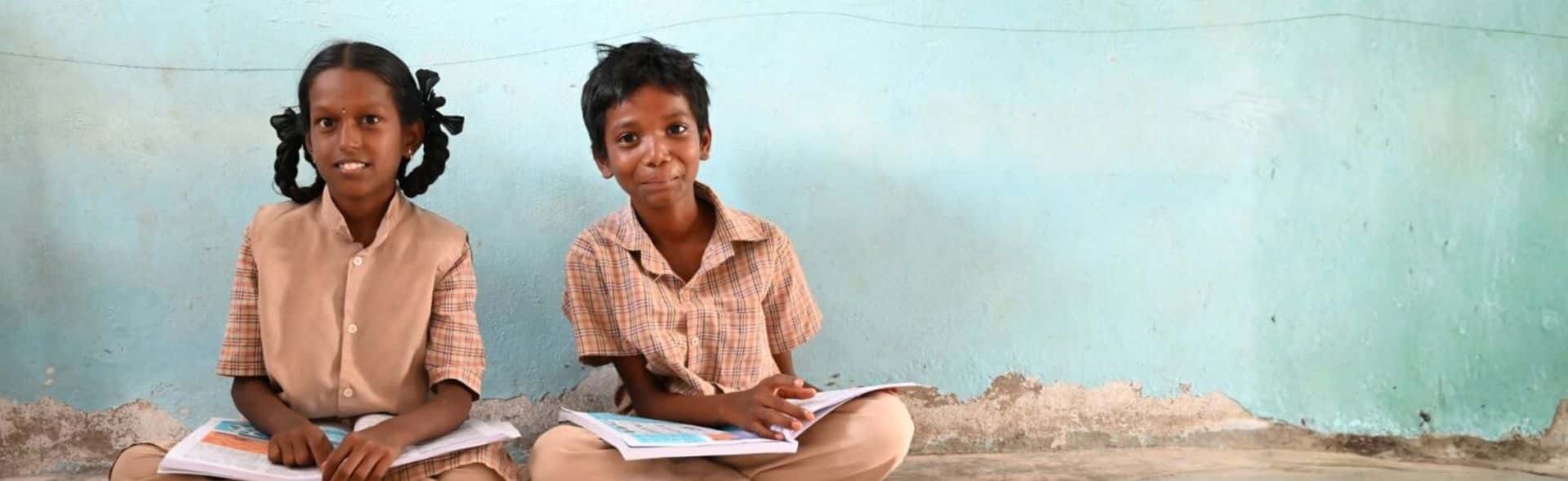
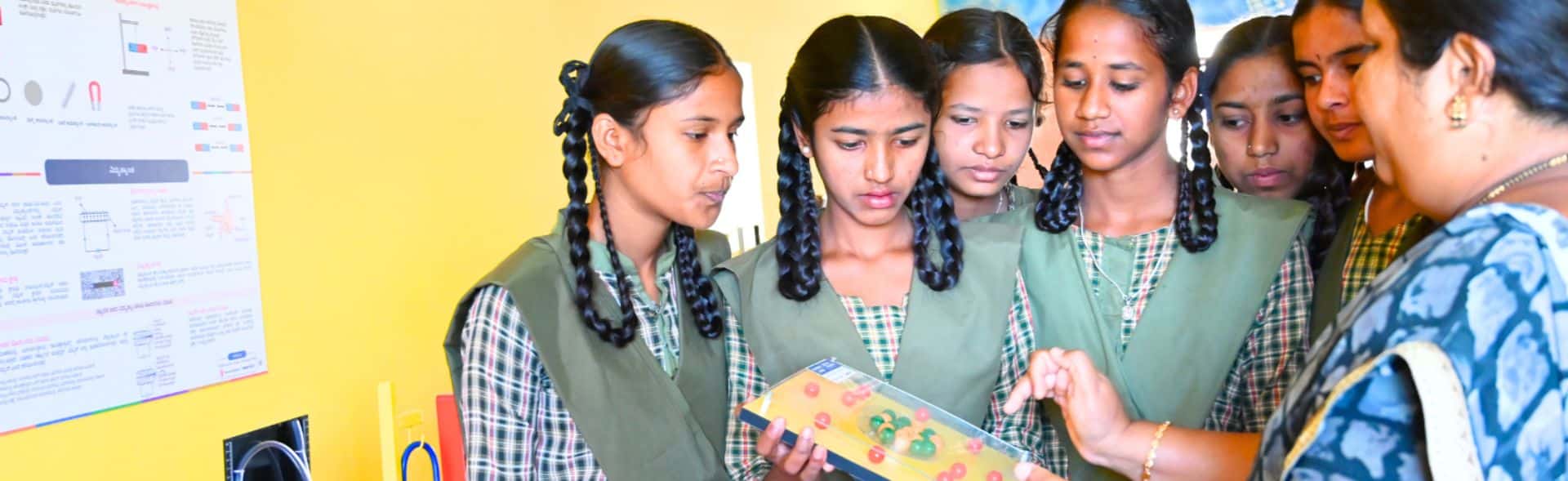
All NGOs in India work on education projects to improve learning opportunities, school participation and educational awareness of children from underserved communities.
Ongoing education efforts include:
- School enrolment programmes that encourage families to support children’s continued education.
- Digital learning programmes that enhance access to online education and technology-enabled learning resources.
- Educational scholarships and awareness programmes that promote the importance of continued learning.
These programmes help provide safe and quality learning opportunities for children.
Child Welfare Programmes
Every responsible non-profit organisation works to improve child welfare through awareness programmes, safe childhood initiatives and community participation activities.
The major child welfare programmes are:
- Awareness campaigns on preventing child marriage and community engagement programmes.
- Child welfare awareness programme educating families on health care, nutrition, education and protection services.
- Safe childhood initiatives to encourage safe environments, counselling support and community participation activities.
Strong child welfare programmes contribute to healthier and more confident communities.
Healthcare and Nutrition Support
Many NGO foundations support health and nutrition programmes that encourage healthier lifestyles for children and families.
Healthcare and nutrition programmes typically include:
- Health camps to create awareness and access to essential medical support services.
- Programmes for maternal and child health to increase health awareness among mothers and children.
- Nutrition awareness programmes that encourage balanced diets and healthy eating practices within communities.
Many times, a non-profit organisation will incorporate health care programmes together with education programmes to develop the community further.
Disaster Relief and Community Development
All major NGO in India assist communities in times of emergency through relief programmes, rehabilitation assistance and sustainable development programmes.
Major disaster relief and community development programmes include:
- Emergency assistance, such as relief items, health care assistance, shelter assistance and basic supplies.
- Rehabilitation programmes that support families in rebuilding their lives in the aftermath of emergencies and natural disasters.
- Skill development, resilience-building activities and sustainable livelihood initiatives that promote financial stability for communities.
Resilience and emergency preparedness programmes help strengthen communities and support sustainable recovery efforts.
How Individuals Can Support NGOs in India
Individuals can support every responsible NGO in India through donations, volunteering and awareness activities. Supporting the work of a credible non-profit organisation enables it to proceed with its projects in education, healthcare, nutrition, and child welfare. Individuals can also make contributions through awareness campaigns and through education projects. Sharing social projects through social networks is another way to contribute.
Donations to a reputable NGO foundation can help in developing programmes and create lasting positive change in communities. Collective efforts can help create a better future for children across India.
How to Identify the Best NGO in India
When choosing the best NGO in India, it is important to understand an organisation’s transparency, impact and social welfare aspect. The best NGO in India has transparent reporting systems, measurable community impact, verified registrations and accountable programme implementation practices.
A trusted NGO foundation like Bal Raksha Bharat (also known as Save the Children India) works on long-term development projects in education, health, nutrition, child welfare and community resilience. Another sign of a strong organisation is the high level of volunteer engagement, donor participation and partnerships with educational and health organisations.
A responsible non-profit organisation consistently works to improve opportunities for underserved communities through sustainable programmes and community-focused development strategies.
Conclusion
Non-profit organisations contribute significantly to India’s social development through education, healthcare, nutrition, child welfare, disaster relief and community resilience programmes. All responsible NGO in India work towards improving opportunities and making a long-term impact for underserved communities through sustainable programmes and awareness drives.
At Bal Raksha Bharat, we continue to work with children and families through more than 60 programmes in education, health care, nutrition, protection, inclusion, resilience, disaster relief and emergency preparedness. Since 2004, our community development programmes have reached more than 10 million children across India through various partnerships and programmes.
Whether you choose to donate, volunteer, partner or support a trusted NGO foundation, you will make a positive difference to a child’s life in India.
FAQs
1. What is a non-profit organisation?
A non profit organisation is an organisation that works for social welfare and community development and not for financial profit.
2. How does an NGO in India receive funding?
An NGO in India receives funding through donations, corporate social responsibility activities, grants, fundraising initiatives, and institutional sources.
3. What does an ngo foundation do?
An NGO foundation supports programmes related to education, healthcare, nutrition, child welfare and community development.
4. How can I support the best ngo in India?
Support the best NGO in India by donations, volunteering, awareness campaigns and community participation.
5. Why are NGOs important in India?
The activities undertaken by all NGOs in India are aimed at social development in areas such as education, healthcare, child welfare, disaster management, and sustainable communities

“I am an editor and technical specialist at Bal Raksha Bharat, responsible for publishing articles and posts. My role involves evaluating content for consistency, and ensuring a positive user experience across the website."

Email Newsletter
Stay updated with our latest blog posts and offers.
Categories

Popular Posts
- 10 inspiring self-made women entrepreneurs in india - 49839 views
- 80G Explained: Which Donations Qualify for Tax Benefits in India - 30999 views
- Top Ways to Protect Children and Support Their Development in India - 28379 views
- Role of Youth in Nation Building: Empowering Youth for a Stronger India - 26565 views
- What are the major causes of gender inequality? - 25794 views