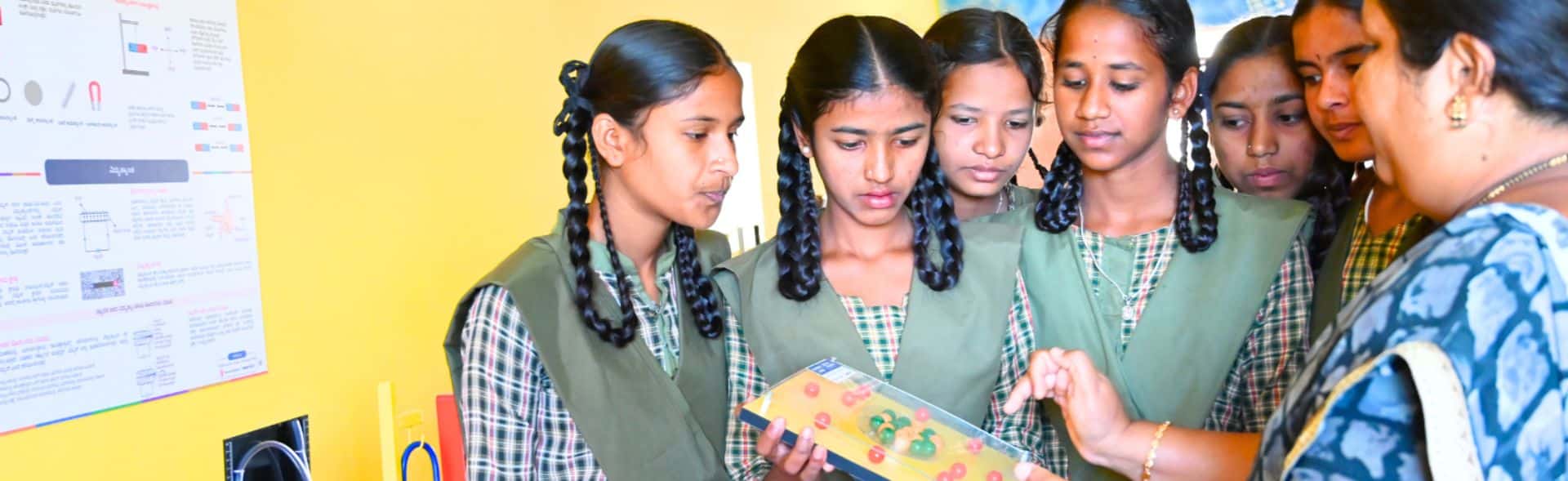

How inclusive education empowers every child to grow
 08/09/25
 Blog
Blog 2442
2442Every child has the right to learn, to feel accepted, and to be given the tools to reach their full potential. Inclusive education is a powerful way to ensure that all children, regardless of their abilities, background, or circumstances, receive quality education together in a shared learning environment. At Bal Raksha Bharat (also known as Save the Children India), we believe that when children learn together, they grow together. Inclusive education does not just transform classrooms; it transforms lives.
The importance of inclusive education lies in its ability to create an environment where every child is valued and supported. It promotes equity in learning and ensures that no child is left behind. Inclusive education fosters understanding, kindness, and unity, qualities that strengthen both individuals and communities.
What Is the Need and Importance of Inclusive Education?
The need for inclusive education comes from the understanding that every child learns in different ways and may need different forms of support to participate fully in school. An inclusive approach helps schools create learning environments where children can learn together, participate in classroom activities, and develop their abilities with the right support.
Understanding the importance of inclusive education also means looking beyond academic learning. Inclusive education can help children develop communication, cooperation, confidence, empathy, and respect for differences. These skills can support children in school and in their everyday lives.
The need and importance of inclusive education are therefore closely connected. When schools provide accessible learning spaces, suitable teaching methods, supportive educators, and opportunities for participation, they can create a learning environment where every child can contribute and progress.
Learning Together, Growing Together
In an inclusive classroom, children with and without disabilities learn side by side. This helps build a sense of belonging and teaches respect for individual differences. It encourages children to support one another, forming friendships based on empathy and understanding. This experience benefits all learners, enabling them to develop social, emotional, and cognitive skills in a natural, collaborative setting.
One of the key benefits of inclusive education is that it helps children develop real-world skills such as cooperation, communication, and conflict resolution. These skills are not only essential for academic success but also form the foundation for strong character and responsible citizenship. By learning from each other’s strengths and challenges, children develop a deeper appreciation for diversity and become more inclusive in their attitudes as they grow.
Read Also: Role of Inclusive Education in Child Development and Learning
Nurturing Potential in Every Child
Inclusive education is more than just placing all children in the same classroom; it is about designing teaching methods, learning materials, and assessments that meet the unique needs of every learner. Whether a child requires assistive devices, personalised attention, or flexible teaching styles, inclusive education makes sure they are supported to learn and grow.
The importance of inclusive education becomes clear when we consider how it supports children who might otherwise be left out. When children are accepted and included, their self-esteem improves, their motivation increases, and their academic performance often follows. It creates an environment where learning is not a competition, but a shared journey.
The Role of Educators and Communities
Teachers are central to the success of inclusive education. With proper training and resources, they can adapt their teaching styles to engage every learner meaningfully. This might include using visual aids, interactive lessons, or individualised instruction to ensure all children understand and participate.
It is also important to recognise what is not important for the creation of an inclusive classroom. Inclusion is not achieved by simply placing children with different needs in the same room. True inclusion requires thought, preparation, empathy, and support. What is not important is uniformity in learning styles or abilities. Instead, what matters is creating a flexible environment where each child feels valued and can contribute.
Read Also: What Is the Role of Education in Human Capital Formation & Progress
When families, schools, and communities work together, the journey toward inclusion becomes more impactful. Parents who feel welcomed and informed are more likely to engage with their child’s learning. Schools that foster collaboration and respect build strong relationships that benefit every learner.
Supporting Inclusion Through Action
Inclusive education also opens the door for broader social change. It challenges biases, dismantles stigma, and promotes equal opportunities for all. When children grow up in inclusive environments, they are more likely to advocate for justice, diversity, and compassion as adults.
One way to make a lasting difference is through an education donation. These contributions can support training for teachers, the development of inclusive learning materials, and the construction of accessible school facilities. Through education donation, individuals and organisations can help ensure that inclusive education is not just an ideal, but a reality for children everywhere.
The benefits of inclusive education extend beyond the classroom. It promotes social development, improves academic outcomes, and prepares children to live and work in inclusive societies. It ensures that each child’s unique identity is celebrated, and their potential is nurtured.
Key Benefits of Inclusive Education
The benefits of inclusive education can support children, teachers, families, and the wider community. Some key benefits include:
- Encouraging children to learn and participate together
- Building respect for individual differences
- Developing communication, cooperation, and empathy
- Supporting confidence and active participation
- Creating opportunities for children with different learning needs
- Helping children develop skills needed for diverse communities
- Encouraging schools to adopt flexible and accessible learning practices
These benefits help explain the importance of inclusive education and why inclusive practices can be an important part of quality learning.
Empowering Children Through Inclusion
Inclusive classrooms help every child feel safe, respected, and understood. This environment allows children to develop confidence and believe in their abilities. They feel encouraged to express themselves, to ask questions, and to take ownership of their learning.
At the same time, children learn valuable lessons about kindness, patience, and empathy. They begin to see strength in diversity and understand that differences do not divide us—they enrich us. This is one of the greatest benefits of inclusive education. It teaches children that everyone belongs and that everyone has something meaningful to contribute.
Supportive school policies, community involvement, and consistent efforts to improve accessibility can go a long way in creating inclusive learning environments. It is a journey, but one that leads to lifelong rewards for all involved.
A Vision for a Better Future
The vision of inclusive education aligns with the values of equality, dignity, and opportunity. It supports global goals for sustainable development and provides a path toward a world where every child can thrive. The importance of inclusive education becomes even more relevant as we work to build societies that are more just, more understanding, and more inclusive.
Organisations like ours – a child NGO in India – play a vital role in this journey. We work alongside schools, educators, and communities to promote inclusive practices that uplift every child. By investing in inclusive education, we are investing in the future of our nation and the well-being of generations to come.
Final Thoughts
At Bal Raksha Bharat, we are committed to building a world where every child has access to quality, inclusive education. All children deserve to be seen, heard, and supported in their learning journeys. We strive to turn this belief into reality through advocacy, partnerships, and support from individuals like you.
Let us work together to ensure that inclusion is not just a word, but a practice that empowers children to grow, to dream, and to succeed. Whether through spreading awareness, volunteering, or making an education donation, every effort counts. Together, we can create inclusive classrooms that open doors, break barriers, and inspire hope for every child, everywhere.
FAQs
1. What is the significance of inclusive education for children?
Inclusive education provides each child, irrespective of ability or background, with an equal and supportive environment to learn in.
2. What are some benefits of inclusive education in the classroom?
It fosters compassion, enhances academic performance, and prepares children for a global society.
3. How does Bal Raksha Bharat promote inclusive education in India?
We collaborate with educators, communities, and schools to develop inclusive learning spaces for all children.
4. Can I contribute to Bal Raksha Bharat’s education programmes through donation?
Yes, you can donate to our education programme to enable us to reach more children with inclusive and quality learning opportunities.
5. What is the need and importance of inclusive education?
The need and importance of inclusive education are connected to creating accessible, supportive, and welcoming learning environments. It helps children participate in education, develop social and emotional skills, learn from one another, and prepare for diverse communities.

“Naveen is an SEO expert and digital marketing analyst at Bal Raksha Bharat with a passion for helping businesses grow online. With a data-driven approach, he specializes in boosting search rankings, driving traffic, and optimizing digital strategies. Follow for tips on SEO, content, and marketing trends."

Email Newsletter
Stay updated with our latest blog posts and offers.
Categories

Popular Posts
- 10 inspiring self-made women entrepreneurs in india - 49846 views
- 80G Explained: Which Donations Qualify for Tax Benefits in India - 31002 views
- Top Ways to Protect Children and Support Their Development in India - 28379 views
- Role of Youth in Nation Building: Empowering Youth for a Stronger India - 26565 views
- What are the major causes of gender inequality? - 25803 views