
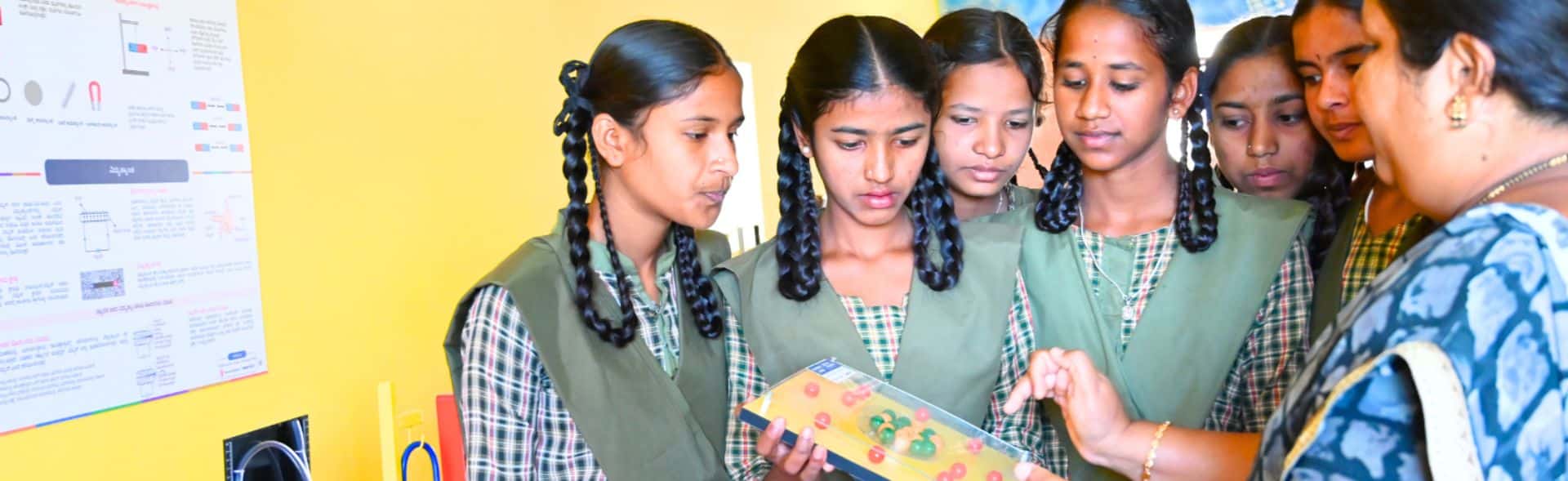
How can digital learning support foundational literacy for children?
 28/09/26
 Blog
Blog 73
73The early years of education are the most important for a child. It is in these years that a child develops important skills such as comprehension, reading, writing, and numeracy. This stage of a child’s learning journey is known as foundational learning. It is crucial in giving children the confidence and skills to keep learning.
Digital learning today is supporting foundational learning by making concepts more interactive to learn, more accessible, and easier to understand. Digital tools benefit the learning process the most when they help educators, improve the quality of classroom learning, and make learning age-appropriate.
What Is Digital Learning for Children?
Digital learning means using technology and digital resources to support learning. It extends beyond online classes and can include both online and offline materials, which is particularly useful where internet access varies.
Digital learning resources may include:
- Educational videos and digital stories
- Interactive activities and quizzes
- Audio-based learning
- Educational games
- Digital worksheets
- Online learning platforms
How Can Digital Learning Support Foundational Literacy?
Digital tools can provide additional opportunities for children to practise reading, listening, and language skills.
For example:
- Read-aloud stories can encourage listening and reading.
- Audio-visual content can connect sounds with letters and words.
- Interactive stories can build comprehension.
- Vocabulary activities can introduce new words.
- Repeated activities allow children to practise at their own pace.
Digital Stories Can Make Reading More Interactive
Digital storytelling can combine:
- Read-aloud activities
- Picture-based stories
- Audio and visual prompts
- Simple questions after stories
This can help children stay engaged and check their understanding.
Audio-Visual Learning Can Support Language Development
Audio-visual resources can support language development through:
- Listening activities
- Pronunciation and sound recognition
- Vocabulary building
- Connections between spoken and written words
How Can Digital Learning Support Foundational Numeracy?
Interactive digital activities can help children practise basic mathematical concepts in simple and engaging formats.
Activities can cover:
- Number recognition and counting
- Addition and subtraction
- Shapes and patterns
- Comparing numbers
- Measurement through everyday examples
Short, repeated sessions can reinforce concepts. However, technology should complement hands-on activities using objects, drawings, games, and everyday situations rather than replace them.
Digital Learning Beyond the Classroom
Digital resources can extend learning beyond school hours when used with suitable adult guidance. Short activities at home can reinforce concepts introduced in the classroom.
Parents and caregivers can participate by:
- Reading digital stories together
- Practising numbers through games
- Revising classroom concepts
- Asking children questions about what they learnt
Also Read: Why Are Rural Children Benefiting from Digital Education More Than Ever?
Building Digital Skills Alongside Foundational Learning
Foundational learning, digital literacy and education can develop together.
Early digital skills may include:
- Operating a digital device
- Opening an educational application
- Following digital instructions
- Finding age-appropriate material with guidance
- Understanding responsible technology use
Safe and Purposeful Digital Learning for Children
Responsible use of technology has become an important part of education. Artificial intelligence and its rise have further made it important for educators to teach children about the safe and purposeful use of digital tools, even in education.
Some important factors to be considered under safe digital learning include:
- Age-appropriate content
- Adult guidance
- Reasonable screen time
- Privacy awareness
- Safe online behaviour
- Trusted educational platforms
Role of NGOs in Strengthening Digital Learning for Children
An NGO for education in India can complement wider education efforts through initiatives designed around community learning needs. Educational NGOs in India can help connect technology with teachers, children, and locally relevant learning resources.
An education NGO may support:
- Digital learning programmes
- Teacher training
- Learning assessments
- Educational resources
- Community learning centres
- Digital literacy activities
- Continued learning support
At Bal Raksha Bharat (also known as Save the Children India), we support education through community-based programmes, partnerships, and initiatives that use technology to strengthen learning. Our work includes supporting teachers, children, families, and communities with learning resources and technology-enabled approaches.
Digital Learning as a Support for the Future of Foundational Education
Digital tools can make reading, language, and numeracy practice more engaging while giving children additional opportunities to revisit concepts.
For digital learning to remain meaningful:
- Teachers should remain central to the learning process.
- Local-language content should be encouraged.
- Offline resources can support communities with varying connectivity.
- Accessible resources can widen participation.
- Digital literacy can develop alongside literacy and numeracy.
Technology should strengthen the learning ecosystem rather than replace classrooms, teachers, hands-on activities or human interaction. When children receive opportunities to revisit concepts through suitable digital activities, they can practise without losing connection with classroom learning.
This combination can support steady progress while allowing teachers and caregivers to guide children towards resources that match their age, language, learning level, and individual educational needs.
Conclusion
Foundational learning provides children with an important base for future education. Digital tools can support literacy, numeracy, regular practice, feedback, and learning continuity when combined thoughtfully with classroom teaching and age-appropriate activities.
Teachers, families and communities remain essential to meaningful learning. Well-designed digital learning programmes can create engaging and flexible opportunities to practise important concepts.
Efforts to support digital learning for children can help them build skills, confidence and curiosity to continue learning in a changing world.
FAQs
1. What is digital learning for children?
Digital learning uses technology and digital resources to support age-appropriate educational activities.
2. Can digital learning support foundational literacy?
Yes, digital stories, audio-visual activities, and vocabulary exercises can provide additional literacy practice.
3. How can digital tools support early numeracy?
They can help children practise counting, number recognition, basic calculations, shapes, and patterns.
4. Why is adult guidance important in digital learning?
Adult guidance helps children access appropriate content and develop safe, purposeful technology habits.
5. Can digital learning replace classroom teaching?
No, digital tools work best when they complement teachers, classroom activities and hands-on learning.

“I am an editor and technical specialist at Bal Raksha Bharat, responsible for publishing articles and posts. My role involves evaluating content for consistency, and ensuring a positive user experience across the website."

Email Newsletter
Stay updated with our latest blog posts and offers.
Categories

Popular Posts
- 10 inspiring self-made women entrepreneurs in india - 50127 views
- 80G Explained: Which Donations Qualify for Tax Benefits in India - 31090 views
- Top Ways to Protect Children and Support Their Development in India - 28394 views
- What are the major causes of gender inequality? - 26655 views
- Role of Youth in Nation Building: Empowering Youth for a Stronger India - 26610 views