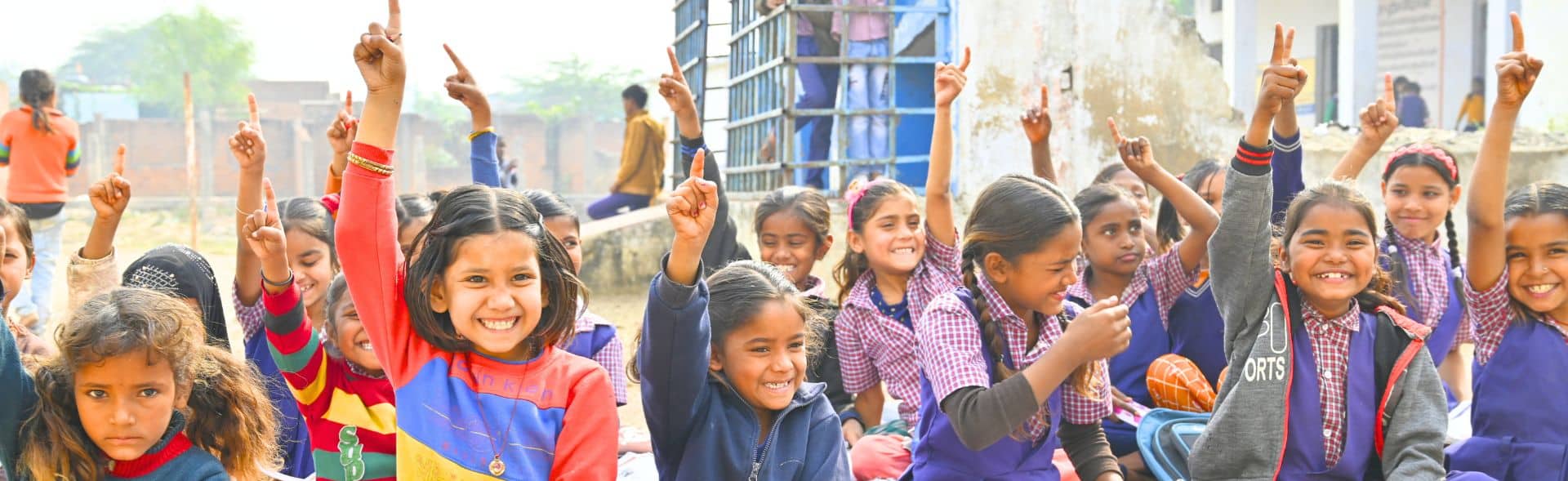
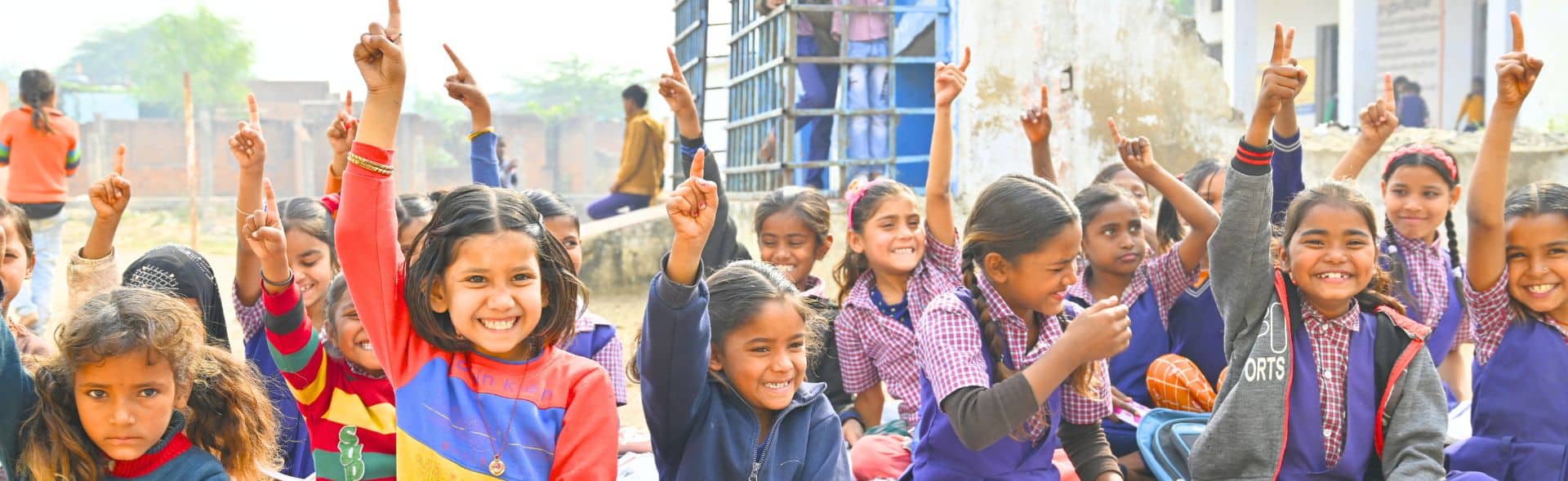
How can personalised learning help children learn better?
 12/10/26
 Blog
Blog 1
1Not every child learns concepts at a similar speed. When it comes to education, each learner has their own pace. That is why personalised learning is important today. It adapts teaching to each child’s needs, so teachers can respond to every child differently.
The focus is to ensure that each child can learn at their own pace in a way that suits them. Technology acts as a massive support in ensuring this type of learning is executed in the best possible way.
What Is Personalised Learning?
The main goal of personalised learning is to adapt the learning process to each child’s knowledge, pace of learning, interests, and so on.
The key is to identify what the child already knows. It can involve the following:
- Flexible explanations and examples
- Additional practice and feedback
- Activities suited to learning levels
- Moving ahead once a concept is understood.
Personalised learning can be used in classrooms, after-school programmes and digital learning platforms.
Personalised Learning vs Traditional Learning
Personalised learning is different from traditional learning in one major way, and it is the pace of learning. Traditionally, a concept is introduced to a whole class full of students at once. Personalised learning gives teachers the flexibility to adjust how and when each child moves forward.
Does Personalised Learning Mean Learning at a Faster Pace?
No. Personalised learning is never about maintaining a pace of learning for all. The focus is to ensure that each child is given the opportunity to learn at their own pace. Teachers focus on ensuring that every child is learning, instead of focusing on finishing lessons as quickly as possible for one and all.
How Can Personalised Learning Help Children Learn Better?
Every child has their own areas of interest, their own way of learning, and a comfortable pace. This is what personalised learning identifies and works with.
In this type of education process, teachers observe students, their performance in activities, and adapt the learning process accordingly.
An educator does that by doing the following:
- Adjusting their process of explaining concepts and giving examples.
- Giving ample time to each student for understanding concepts and practices.
- Encouraging children to ask questions freely.
- Giving regular feedback to each and every student.
What Role Do Teachers Play in Personalised Learning?
Personalised learning can only work when teachers play their role well. Teachers are the ones who observe the learning progress, needs, and methods. Their focus should be on adapting the learning process according to every child’s needs.
An educator’s role in this process can involve the following:
- Grouping children according to the nature of different activities.
- Using different stories, practical explanations, and methods for each group.
- Reviewing every child’s progress and adjusting learning activities accordingly.
- Encouraging children to learn together.
- Giving regular feedback to every child.
How Can Personalised Learning Support Children With Different Learning Needs?
An inclusive learning environment offers every child the opportunity to engage with different concepts of learning and demonstrate their learning in their own way. The role that teachers play here is focused on shaping the process of education to suit the needs of every child.
This type of support includes the following:
- Allowing additional time for students to understand concepts and learn.
- Implementing different versions of practices like drawing, practicals, and more.
- Providing different examples and learning materials.
- Monitoring progress for each and every child.
Read Also: Role of Inclusive Education in Child Development and Learning
How Can Schools and Communities Make Personalised Learning Work?
Personalised learning becomes stronger when schools, families and communities contribute together. Teacher training and mentoring can help educators use assessments and flexible strategies.
Schools and communities can:
- Maintain communication between teachers and families
- Support age-appropriate learning at home
- Create reading and learning spaces
- Provide suitable learning materials and digital resources
- Encourage community participation
An NGO for education in India can also contribute through teacher support, learning resources and community programmes.
How Can Educators Measure Whether Personalised Learning Is Working?
Personalised learning is all about looking at a child’s progress in the long run and completely eliminating any kind of comparison among children.
Useful measures that indicate personalised learning are as follows:
- Making improvements in foundational literacy and numeracy.
- Increased participation in classroom engagement.
- Ensuring that children have the capacity to apply concepts and not just learn them.
- Encouraging children to ask as many questions as they want to.
These signs can help educators adjust strategies.
Role of NGOs in Supporting Personalised Learning
An NGO for education in India can work in alignment with schools and communities through programmes that strengthen foundational learning, teacher training and inclusive education.
Support may include:
- Foundational literacy and numeracy
- Remedial and catch-up learning
- Appropriate digital learning programmes
- Parent and community participation
- Inclusive learning environments
- Educational support for continued learning
An education NGO can complement wider efforts to improve access to quality education. Individuals can contribute through donate for child education initiatives, an education donation, or responsible online donation India opportunities.
Conclusion
The most important feature of personalised learning is that it responds to the learning needs and pace of every child. It is the type of learning that makes every child feel at home. It helps every child feel included in the classroom.
Technology and digital learning methods can help in boosting personalised learning across the country. When schools, educators, and NGOs work with personalised learning in mind, we will see each child emerge as their best version in a way that suits them.
FAQs
1. What is personalised learning?
It is an approach that adapts teaching to each child’s knowledge, learning pace and interests.
2. Does personalised learning mean children learn separately?
No. Personalised learning works within a regular classroom, where teachers adapt activities and support for different children while the class learns together.
3. How can personalised learning build confidence?
When children learn at their own pace and get regular feedback, they are more likely to understand concepts fully and feel confident to take on new ones.

“I am an editor and technical specialist at Bal Raksha Bharat, responsible for publishing articles and posts. My role involves evaluating content for consistency, and ensuring a positive user experience across the website."

Email Newsletter
Stay updated with our latest blog posts and offers.
Categories

Popular Posts
- 10 inspiring self-made women entrepreneurs in india - 49973 views
- 80G Explained: Which Donations Qualify for Tax Benefits in India - 31052 views
- Top Ways to Protect Children and Support Their Development in India - 28384 views
- Role of Youth in Nation Building: Empowering Youth for a Stronger India - 26584 views
- What are the major causes of gender inequality? - 26194 views