Income tax donation for child education: a simple guide for first-time donors
 12/10/26
 Blog
Blog 3
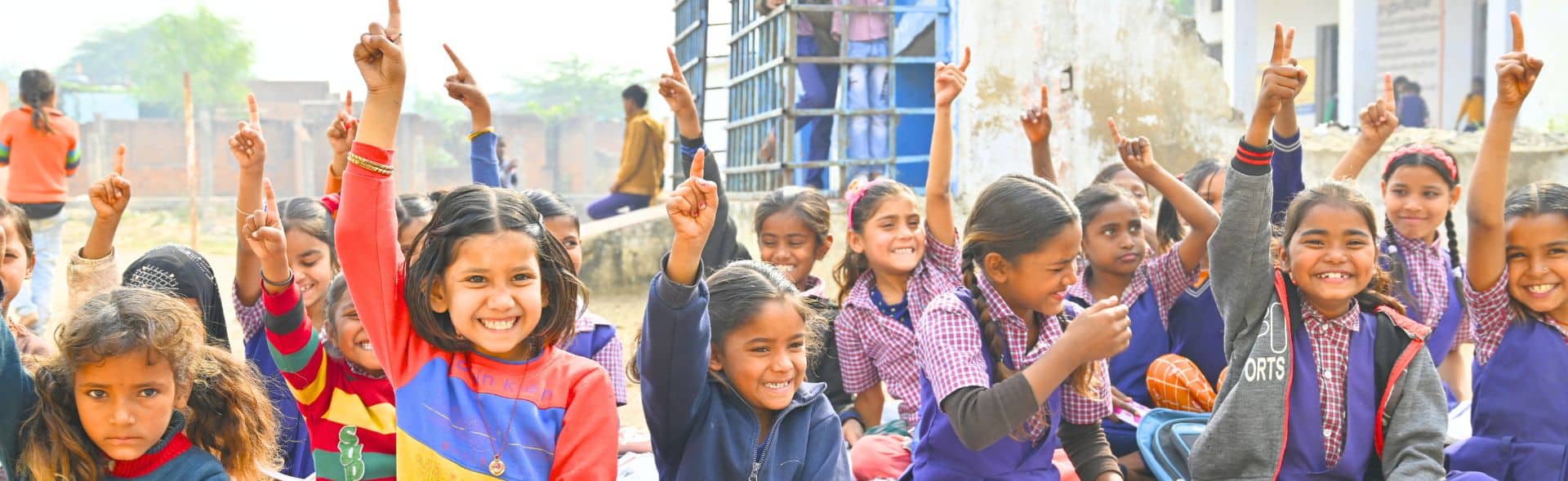
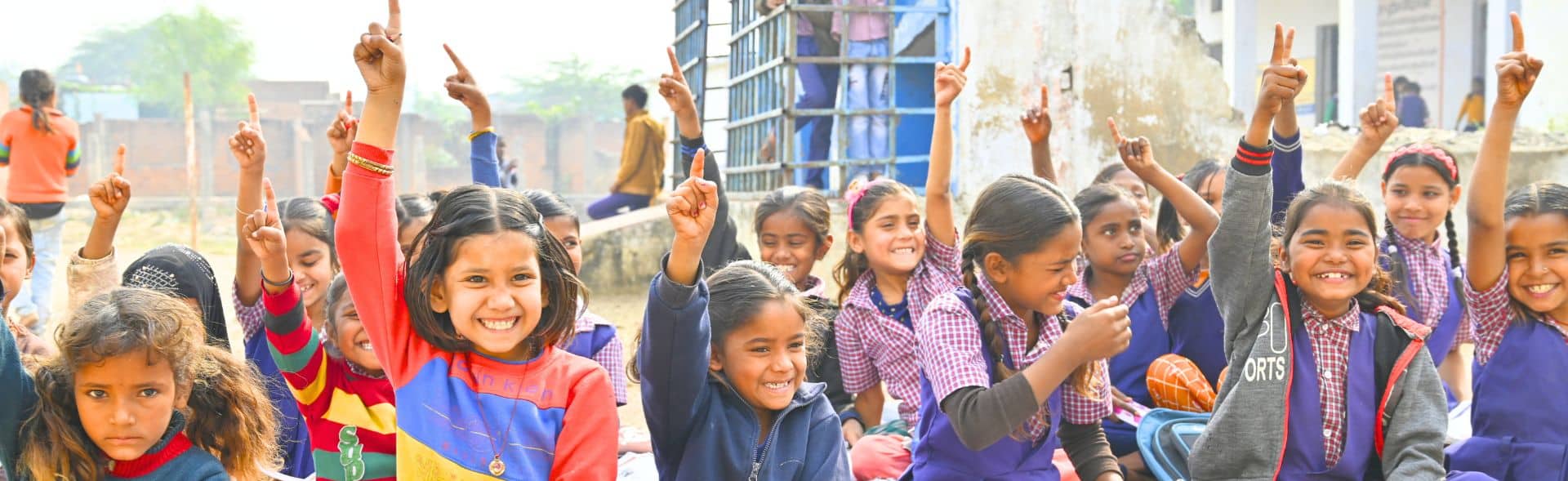
3Providing children with the right educational opportunities is among the most valuable contributions you can make. An income tax donation for child education is an education-focused donation drive that supports education by funding scholarships, school facilities, books, and other educational resources. Even a small contribution towards child education and welfare can play a meaningful role in nurturing India’s future generation.
In India, eligible donation amounts given to recognised non-profit organisations can be claimed as a tax exemption under Section 80G of the Indian Income Tax Act. For example, if you donate to an eligible NGO that provides education to rural children, you can be eligible to claim the portion of that donation as a deduction while filing your income tax return.
What Is an Income Tax Donation for Child Education?
An income tax donation for child education is the process of giving financial aid to a charitable programme, eligible trust, NGO, or organisation that supports children’s education and welfare.
Donations include funding for school fees, educational material, school uniforms, and educational infrastructure, as well as other amenities that are required to provide a quality education for the children seeking better educational opportunities.
For a donation to a child welfare NGO, you can get tax relief at the time of filing an income tax return. However, keep in mind that the donations must be made to the NGO, trust, or any other organisations that are approved by the Government of India for Section 80G tax exemption.
Can a Donation for Child Education Qualify for an 80G Deduction?
To qualify for an 80G deduction, a donation for child education should meet the following conditions:
- Donations should be given to registered charitable trusts, individuals, or corporate bodies that work for educational support for children.
- Keep records of transactions such as UPI history, passbook updates, and cheque numbers to use this information for claiming 80G tax deduction.
- One education donation can be claimed only once for tax relaxation.
- Some donations might get more tax benefit than others. The Income Tax Department puts them in two groups: 50% and 100%, with or without a limit. If there is a limit, it is 10% of your Adjusted Total Income.
5 Things First-Time Donors Should Check Before Making an 80G Donation
1. Check the Organisation’s 80G Eligibility
Checking eligibility for a child education donation is necessary for both the donor and the recipient. If the donor is eligible to claim under the old tax regime and the NGO is approved under Section 80 G, then only an education donation is possible.
2. Choose an Eligible Payment Method
No 80G deduction is available for cash donations exceeding 2000 INR. For amounts larger than 2000 rupees, you should use a digital platform to donate money to the Charitable Trust or non-profit organisation that is working towards child welfare and education. For example, you can use the UPI platform, NEFT, RTGS, cheque, etc.
3. Provide Correct PAN and Donor Details
Both donor and recipient must have their PAN card or other acceptable document in hand. Talking about the donor card, it is necessary because it serves as a valid claim for 80 G deduction. The recipient organisation reports eligible donation details to the Income Tax Department along with the donor information. It is important to link with your tax records, which makes your 80 G tax relaxation process hassle-free.
4. Keep the Donation Receipt Record
Whenever you are ready to donate for child education to any charitable trust or education welfare organisation, try to pay through digital payment systems. These include UPI (Unified Payments Interface), IMPS (Immediate Payment Service), RTGS (Real Time Gross Settlement), and cheques.
If you use these payment methods, it is proof of donation. And while donating, you may ask the NGO to give a receipt so that it will be easy to attach while claiming 80G deductions during income tax return filing.
5. Keep Form 10BE for Your Tax Records
Form 10BE is a donation certificate issued by an eligible NGO, trust, or charitable organisation that you have donated under 80G to. It is an official supporting document required for claiming a tax deduction under Section 80G. You can keep 10BE and other donation records handy while filing your ITR to get a tax rebate under 80 G.
How to Calculate 80G Deduction on a Child Education Donation
First, check whether the NGO offers a 50% or 100% deduction, and whether there is a limit. If there is no limit, your full donation amount counts toward the deduction. If there is a limit, only the smaller of your donation or 10% of your Adjusted Total Income counts. After that, multiply that amount by 50% or 100%.
For example, if you donate ₹40,000 to an NGO that offers 100% tax benefit with no limit, your deduction is ₹40,000. Your final tax saving depends on your tax slab, and this deduction is only for old tax regime donors.
Quick Checklist for First-Time Donors
- Check your tax regime. If you are following the old tax regime, then only you are eligible for tax deduction under Section 80G.
- Check whether an NGO’s 80G is valid for eligibility under Section 80G. Only approved organisations can give a tax deduction.
- For donations above 2000 INR, choose digital payment methods and collect the donation receipt.
- Choose verified payment platforms for donations such as UPI, NEFT, RTGS, or cheques.
- Keep the NGO details such as name, address, PAN, and 80G registration number in your records.
How to Choose an NGO for Child Education in India
Selecting the organisation that has a transparent donations system and a clear education-focused approach is essential to make an informed contribution.
- Check the NGO registration number and its approval under Section 80 G.
- Check whether they are funding school fees, educational material, school uniforms, and educational infrastructure that are required to provide a quality education for the children.
- Keep an eye on the financial reports and accounting of the charitable organisations to know how donations are used in real-life scenarios.
- Review the organisation’s previous and existing projects they are working on.
- You can also visit the served area to get the ground reality of the welfare organisation.
Bal Raksha Bharat (also known as Save the Children India) is one of the reputed NGO in India that works closely to execute education welfare programmes, along with a great performance record in the past.
Conclusion
Promoting donations for child education is a meaningful initiative for serving people and shaping a bright future for India. People who are donating for the first time should choose eligible organisations, make donations through proper channels, and keep receipts and related documents for their tax records.
Using proper documentation and verified donations, your contribution can support educational opportunities while helping you make the most of applicable tax benefits.
FAQs
Is an education donation eligible for an 80G deduction?
Yes, education donations are eligible for an 80 G deduction if both the donor and recipient satisfy the payment methods, donation category, and other applicable conditions.
What is an 80G certificate?
An 80 G certificate is a document that clarifies that the organisations accepting donations are recognised to support the claim for a tax deduction under Section 80G. At the same time, NGOs issue Form 10B certificates to confirm that a person or firm has donated for child education.
How much 80G deduction can I claim?
You can claim the full donation amount, i.e. 100%, or 50% of the donation amount if your donation falls into the without-limit donation category. Also, you can claim 10% of adjusted gross total income under the 50% or 100% with a limited donation category.
Can I claim 80G deduction under the new tax regime?
No. You cannot claim Section 80G deduction under the new tax regime, as per guidelines issued by the Income Tax Department of India.
What documents should I keep after making an education donation?
You should keep the education donation receipt, relevant payment records, Form 10BE, and other essential records along with the donor and recipient details used for the contribution.

“Naveen is an SEO expert and digital marketing analyst at Bal Raksha Bharat with a passion for helping businesses grow online. With a data-driven approach, he specializes in boosting search rankings, driving traffic, and optimizing digital strategies. Follow for tips on SEO, content, and marketing trends."

Email Newsletter
Stay updated with our latest blog posts and offers.
Categories

Popular Posts
- 10 inspiring self-made women entrepreneurs in india - 49974 views
- 80G Explained: Which Donations Qualify for Tax Benefits in India - 31053 views
- Top Ways to Protect Children and Support Their Development in India - 28385 views
- Role of Youth in Nation Building: Empowering Youth for a Stronger India - 26584 views
- What are the major causes of gender inequality? - 26195 views