How a non-profit organisation is bridging the learning gap in rural child education in india
 29/07/26
 Blog
Blog 112
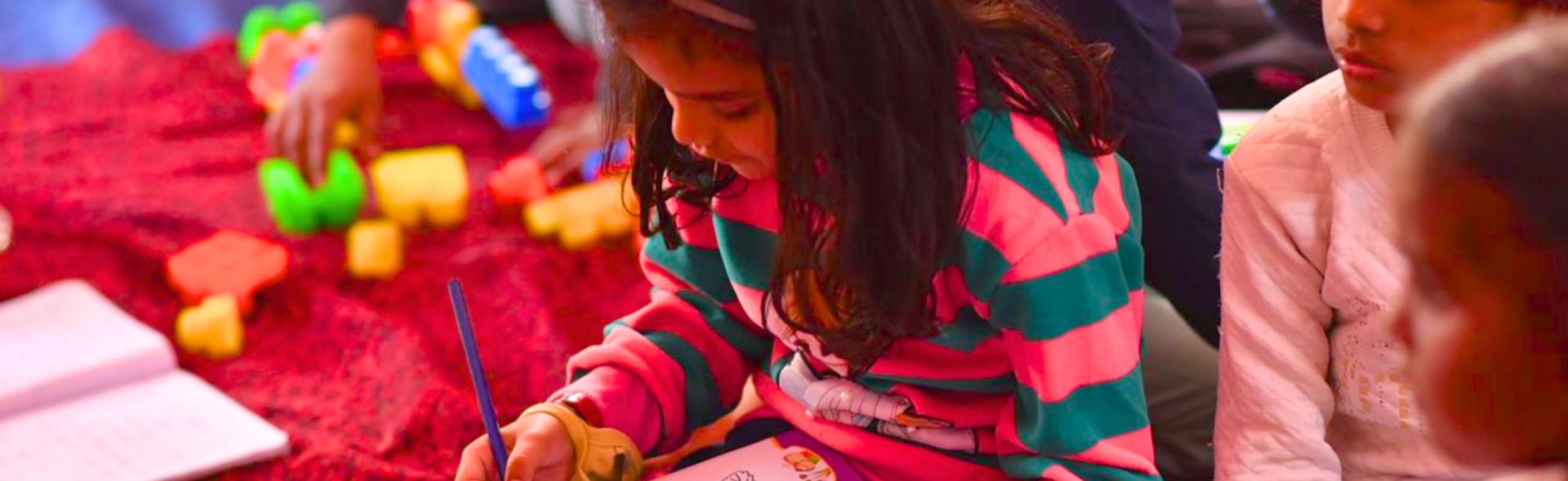
112Every child needs education to build confidence, learn life skills, and gain the right knowledge to excel in their professional life. Stronger community participation and new and innovative learning initiatives are making quality education accessible across the country. The focus is to make sure that every child gets access to quality education.
NGOs that support education do not work only with students. Instead, they also work in collaboration with families, communities, and teachers. By supporting foundational education and encouraging collaborative efforts, these organisations help build stronger communities and contribute to India’s long-term development.
Why does rural child education matter for India’s Future?
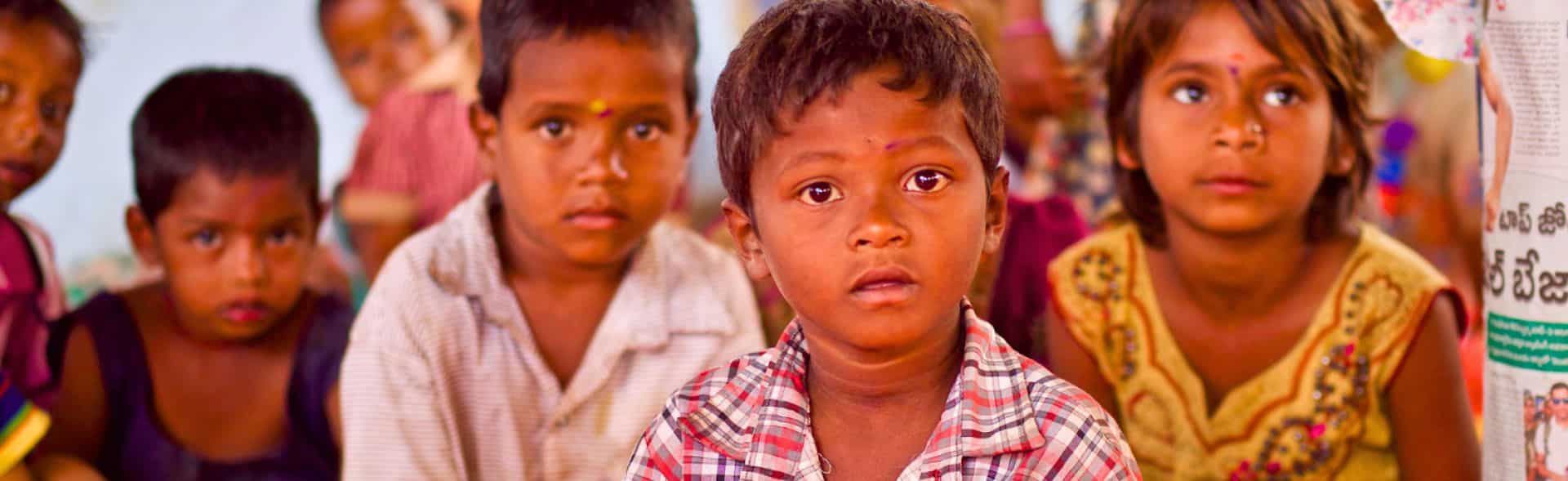
Children are much better equipped to reach their full potential only when the right educational foundation is laid early on. With the right education, a child can not only build a strong future for themself but also contribute to society to the fullest.
Key benefits of rural child education include:
- Creates opportunities for lifelong learning and personal growth.
- Strengthens literacy, numeracy, and communication skills from an early age.
- Builds confidence through continuous learning.
- Encourages equal learning opportunities across rural India.
- Supports stronger communities and long-term national development.
NGOs that work in education in India work alongside communities, families, schools, and students to strengthen these efforts.
Understanding the Learning Gap in Rural Education
There is a considerable gap in education in rural areas (when compared to the state of education in cities). What children should learn at a particular age and what they are currently able to learn are not the same.
This is important because every child learns differently. Teachers, communities, and families need to identify learning needs for each child, as early as possible.
For a child to progress in their academic life with confidence, teacher engagement and thorough classroom support are extremely important.
These things come together to help reduce the education gap across the country in the following ways:
- Regular classroom support for children
- Active teacher engagement
- Enhanced participation of the community in education
- Periodic assessments to monitor learning
- Ensuring the availability of age-appropriate learning material for one and all
These factors come together to ensure that children grow up and learn with confidence and strengthen the necessary foundational skills for a bright future.
How a Non-Profit Organisation is Bridging the Learning Gap?
Every non-profit organisation works in close collaboration with families, schools, teachers, and communities to bring about positive change in the education ecosystem.
Their continuous support for learning and guidance to students ensures that children get to build strong academic foundations for themselves.
Strengthening Foundational Learning
The early years of education are extremely important for a child. Those are the years when the foundation is set that determines the future of a child. And that’s where NGOs play a key role in a child’s life.
Some common initiatives undertaken by NGOs for the same are as follows:
- Reading and numeracy support programmes.
- Activity-based learning methods.
- Age-appropriate learning materials.
- Regular assessments to monitor learning progress.
Offering Support to Government Schools
When it comes to grassroots education, government schools have an important part to play. They are necessary to expand education into rural areas of the country. An NGO working for education also supports government schools in enhancing the quality of education and making high-quality education accessible for children.
These NGOs support government schools in the following ways:
- Classroom learning support.
- Teacher capacity-building programmes.
- Learning resource development.
- Improved classroom engagement through interactive teaching methods.
Bringing Learning Closer to Communities
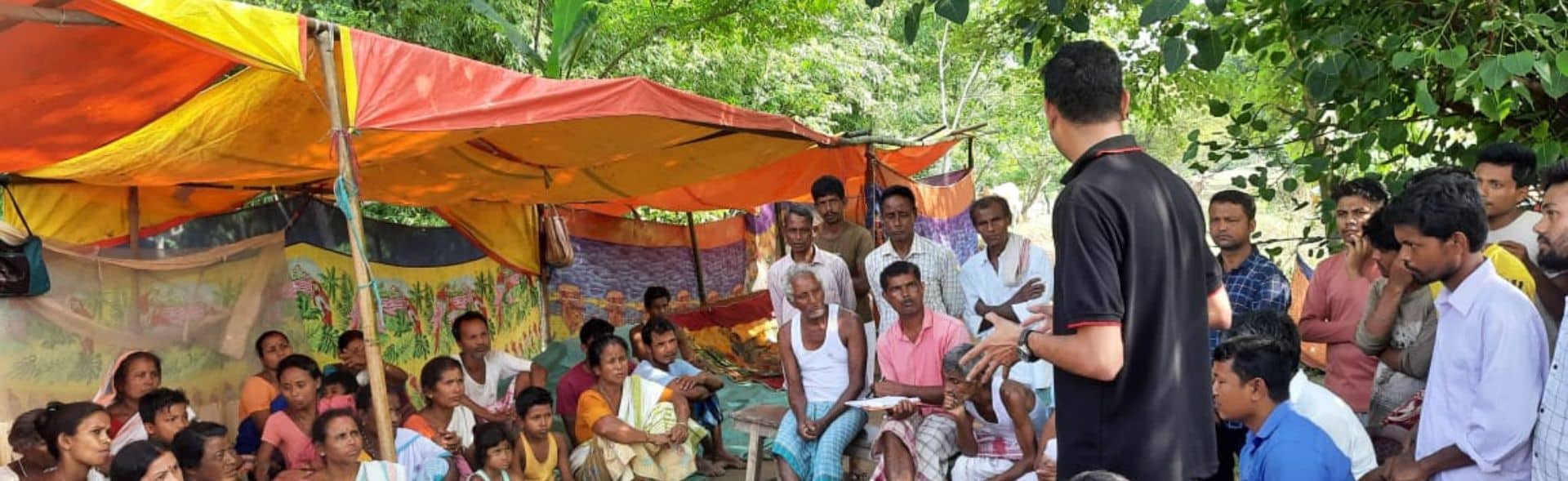
Learning and education for children should not be limited just to the classroom. It must go beyond that, and the community as a whole should support it across different levels.
Some common initiatives that NGOs conduct to support it are as follows:
- Community learning centres.
- Parent awareness sessions.
- Volunteer participation.
- Learning activities beyond school hours.
Encouraging Digital Learning
Digital methods of learning have made sure that students from every background get access to quality learning material. A non-profit organisation working for education supports this area of education by enabling access to interactive digital content for more and more students.
Key Initiatives conducted in this area of education are as follows:
- Digital learning resources where appropriate.
- Interactive educational content.
- Technology-enabled learning support.
- Improved access to educational materials.
Why does community participation make education stronger?
The key benefit of community participation is that it creates an environment that supports and encourages children to continue their education and overcome obstacles in the way.
Community participation on the ground level usually translates into the following:
- Encouraging regular school attendance.
- Supporting children’s learning at home.
- Involving local volunteers.
- Strengthening school-community collaboration.
- Creating positive learning environments.
How is Bal Raksha Bharat helping bridge the Learning Gap?
We, at Bal Raksha Bharat (also known as Save the Children India), work as an NGO for education in India. We partner with schools, families, and communities to further strengthen foundational learning and boost inclusion in education.
Some of our initiatives include the following:
- Supporting children throughout their education journey.
- Strengthening foundational learning through targeted programmes.
- Encouraging community participation.
- Improving classroom learning experiences.
- Promoting innovative teaching practices.
- Creating lasting educational opportunities for rural communities.
How You Can Support Rural Child Education?
Every contribution helps expand learning opportunities for children and strengthens education initiatives across rural communities.
Donate Money for Education Initiatives
Choosing to donate money helps provide educational resources, learning materials, and community-based programmes that strengthen children’s learning. Supporting trusted organisations helps expand quality education for more children.
Volunteer and Raise Awareness
Individuals can support education by:
- Participating in educational campaigns.
- Encouraging community involvement.
- Sharing awareness about the importance of education.
- Inspiring others to support children’s learning.
Partner with a Non-Profit Organisation
Partnering with a non-profit organisation through corporate partnerships, employee volunteering and community engagement initiatives helps strengthen long-term education programmes.
Building a Brighter Future Through Quality Education
Quality education works as the cornerstone for every child’s bright future. It is essential for them to develop the necessary life skills, confidence, and knowledge. Collaboration between communities, schools, and a non-profit organisation strengthens learning opportunities and contributes to stronger communities and India’s future progress.
Conclusion
Quality education creates brighter futures for children. A non-profit organisation works with schools, families and communities to strengthen rural education and expand learning opportunities.
Collective support from individuals, communities and organisations can make a lasting difference. Choosing to donate money or support a trusted NGO in India helps create better educational opportunities for every child.
FAQs
1: How does a non-profit organisation support rural education?
It supports schools, teachers, communities and children through education programmes and learning resources.
2: Why is foundational learning important?
It helps children build strong literacy, numeracy and lifelong learning skills.
3: How does Bal Raksha Bharat support education?
It strengthens foundational learning, supports schools and encourages community participation.
4: How can individuals support rural child education?
They can donate money, volunteer or support trusted education initiatives.

“Naveen is an SEO expert and digital marketing analyst at Bal Raksha Bharat with a passion for helping businesses grow online. With a data-driven approach, he specializes in boosting search rankings, driving traffic, and optimizing digital strategies. Follow for tips on SEO, content, and marketing trends."

Email Newsletter
Stay updated with our latest blog posts and offers.
Categories

Popular Posts
- 10 inspiring self-made women entrepreneurs in india - 49284 views
- 80G Explained: Which Donations Qualify for Tax Benefits in India - 30133 views
- Top Ways to Protect Children and Support Their Development in India - 28295 views
- Role of Youth in Nation Building: Empowering Youth for a Stronger India - 26455 views
- What are the major causes of gender inequality? - 22782 views