Why are rural children benefiting from digital education more than ever?
 22/07/26
 Blog
Blog 143
143Digital education in 2026 is transforming how children learn. The combination of traditional methods and new-age digital learning is helping more children across India access engaging, flexible, and future-ready education.
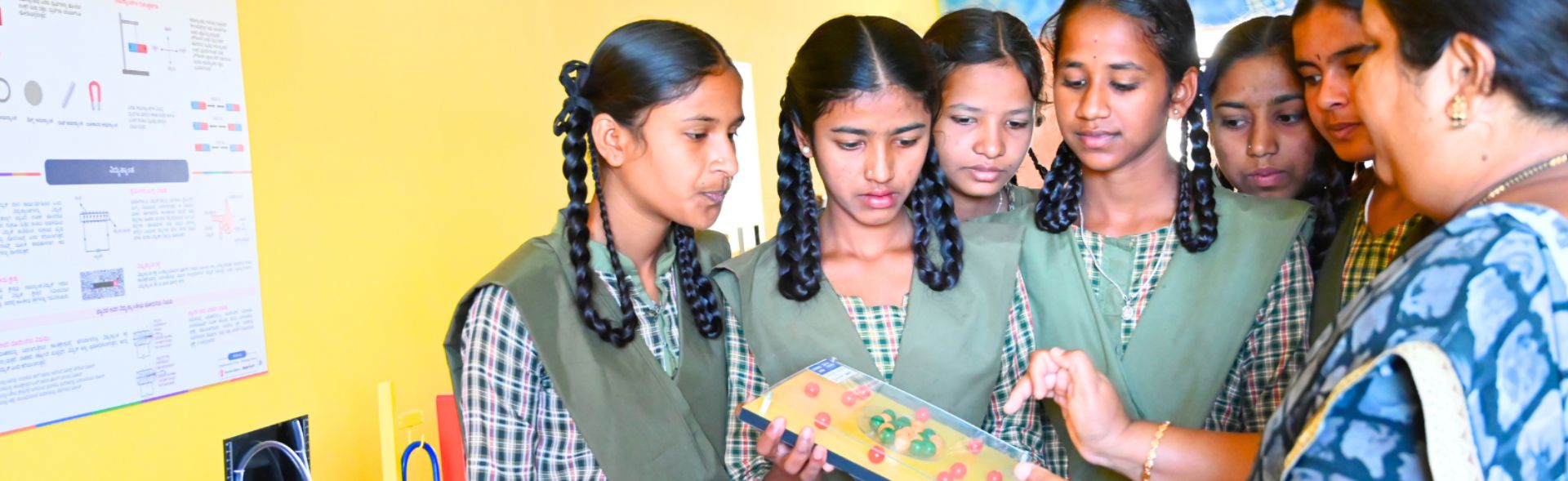
Children across the country are learning beyond the classroom and developing skills that are important for their future. Digital learning tools, smart classrooms, and other innovations are making this possible. These developments are also helping children in rural areas continue their learning.
Alongside government initiatives and the efforts of every NGO for education in India, digital education is improving learning opportunities in rural areas. In today’s digital world, it has become more important than ever.
What is Digital Education?
Digital education refers to the use of technology to support and improve learning. It combines digital learning tools with traditional teaching methods. Digital learning allows children to access educational content through engaging and interactive methods.
Digital education includes the following:
- Smart classrooms with digital teaching aids.
- Learning applications and educational software.
- Tablets, computers, and other smart learning devices.
- Online educational resources and virtual learning platforms.
- Interactive videos, quizzes, and digital assessments.
For rural communities, digital learning is becoming increasingly valuable because it helps extend quality educational opportunities beyond geographical boundaries.
Every NGO for education in India working in this area contributes to making learning more accessible for children and communities.
Key Reasons Rural Children Are Benefiting from Digital Education More Than Ever
Better Access to Quality Learning Resources
Digital education has made high-quality educational content more accessible than ever before.
Children benefit from:
- Educational materials are available throughout the learning journey.
- Curriculum-aligned digital lessons that complement classroom teaching.
- Interactive videos and visual learning resources.
- Learning opportunities beyond textbooks.
Digital learning also helps educational resources reach more communities, allowing more children to access quality learning resources regardless of where they live.
Improved Digital Skills for the Future
Technology has become an important part of modern education and everyday life. Early use of digital tools helps children build confidence and prepares them for future education and employment opportunities.
Digital education supports the development of:
- Basic computer literacy.
- Responsible use of technology.
- Digital communication skills.
- Information and research skills.
- Independent problem-solving skills.
These experiences encourage lifelong learning and help children become more confident in using technology responsibly.
Flexible and Self-Paced Learning
Every child has a different way of learning, and digital education supports individual learning journeys by offering greater flexibility.
Some of the key advantages include:
- Children can revisit lessons whenever needed.
- Learning becomes easier to understand through repeated practice.
- Digital resources complement classroom teaching.
- Children can learn at a pace that suits their individual needs.
This flexibility helps children build confidence while encouraging consistency in learning. Teachers can also use digital tools to reinforce classroom learning through engaging activities.
Greater Community Participation
Digital learning is creating stronger partnerships between schools, families, and communities.
As digital learning programmes expand:
- Parents become more involved in their children’s learning.
- Schools collaborate with communities to strengthen learning environments.
- Community members support educational initiatives.
- Awareness about the importance of education continues to grow.
When families actively participate in children’s education, learning becomes a shared responsibility. This collaborative approach supports better learning outcomes and encourages long-term engagement with schools.
How Are NGOs Supporting Digital Education in Rural India?
The growth of digital education in rural India is being supported through the combined efforts of schools, communities, educational institutions, civil society organisations, and government initiatives. Schools, communities, and NGOs in India are working together to improve access to quality education across the country.
At Bal Raksha Bharat, we believe that technology and digital tools can perfectly complement traditional classroom education across schools and communities in India.
Digital Learning Centres
Many organisations that work in the education sector set up learning centres. The role of these centres is to provide children with easy access to the following:
- Digital learning devices.
- Educational software.
- Interactive learning resources.
- Structured academic support.
Teacher Training Programmes
Educators play a pivotal role in ensuring successful digital education at all levels in the country.
Organisations working in education also support teachers through training programmes that focus on:
- Effective use of educational technology.
- Interactive teaching techniques.
- Digital classroom management.
- Integrating technology with classroom learning.
Community Awareness Programmes
To encourage greater participation from parents and communities, organisations working in education also conduct community awareness programmes.
Primarily, these programmes are focused on:
- Improving awareness of digital education at the grassroots level.
- Encouraging greater school participation across rural regions.
- Boosting the involvement of families in the child’s learning journey.
- Building strong educational support systems.
Benefits of Digital Education for Rural Communities
- Promoting regular learning: Digital tools make learning more engaging, encourage regular attendance, and increase community participation.
- Developing future-ready skills: Such as communication, digital literacy, innovation and creativity, critical thinking, and responsible use of technology.
- Supporting inclusive education: When digital learning resources are made available to communities across the nation, it helps make education more inclusive.
Factors Driving the Growth of Digital Education
Factors driving the growth include:
- Enhanced availability of internet connectivity in rural regions.
- Greater access to smartphones, tablets, and other digital devices.
- Innovations in the EdTech sector.
- Enhanced collaboration between schools, communities, and education-based organisations.
How Bal Raksha Bharat Supports Digital Education?
At Bal Raksha Bharat (also known as Save the Children India), we believe that every child must have access to quality learning, so they can prepare for the future and build essential life skills. With our education programmes, we work with children, families, schools, and communities to increase access to quality education and take it to every corner of the country.
Our approach includes the following:
- We support digital learning initiatives that complement traditional classroom learning.
- We promote technology-based learning experiences through our initiatives.
- To encourage school participation, we conduct awareness programmes.
- Through our programmes and initiatives, we work closely with schools, communities, children, and parents.
- Our focus is on building learning environments that encourage children to prepare for a brighter future.
How Can You Support Digital Education?
Expanding digital education and bringing it to every child in the country requires a collective effort.
Individuals can also support digital learning in various ways. Here are some of them:
- Support organisations working in education: You can contribute to the cause by supporting organisations that are making quality education more accessible. Always look for organisations that share updates and impact, and focus on different aspects of making digital education accessible to more children and communities.
- Donate to charities: One of the simplest ways to support digital education is by donating to a charity. Today, the process has become easier than ever.
- Encourage others to participate: You can also support digital learning by encouraging other people to participate in various ways. This way, you will encourage more people to support digital learning while also bringing the community together to support access to digital education.
Conclusion
Today, children from rural areas are excelling in various fields. Access to digital education continues to improve across many parts of rural India. Communities, schools, children, and education-focused NGOs in India are working together to further improve access to quality education.
At Bal Raksha Bharat, our focus is on further improving the situation of educational access across the country. If you want to become part of this effort and contribute, there are options like donating to a charity or supporting education-based NGOs.
You can always join in the effort through volunteering and donations to make a positive impact in the education system of rural India. By working together, our society can ensure that quality digital education reaches every child.
FAQs
1. How does Bal Raksha Bharat support digital education?
By supporting education programmes that encourage community participation and by working with schools, families, and communities.
2. Why is community participation important in digital education?
It encourages participation from schools, parents, and communities to work together to bring digital education to every corner of our growing country.
3. How can I support digital education initiatives?
You can support trusted organisations, donate, volunteer, and encourage others to participate.
4. How does digital education benefit rural children?
Digital education provides children with greater access to quality learning resources, helps them develop digital literacy, supports self-paced learning, and encourages stronger participation from schools, families, and communities.
5. What is digital education?
Digital education combines technology with classroom learning through tools such as smart classrooms, learning applications, digital devices, and online educational resources. It helps make learning more interactive and accessible for children.

“Naveen is an SEO expert and digital marketing analyst at Bal Raksha Bharat with a passion for helping businesses grow online. With a data-driven approach, he specializes in boosting search rankings, driving traffic, and optimizing digital strategies. Follow for tips on SEO, content, and marketing trends."

Email Newsletter
Stay updated with our latest blog posts and offers.
Categories

Popular Posts
- 10 inspiring self-made women entrepreneurs in india - 49387 views
- 80G Explained: Which Donations Qualify for Tax Benefits in India - 30343 views
- Top Ways to Protect Children and Support Their Development in India - 28315 views
- Role of Youth in Nation Building: Empowering Youth for a Stronger India - 26491 views
- What are the major causes of gender inequality? - 23531 views