Importance of digital literacy for children in rural india
 15/04/26
 Blog
Blog 445
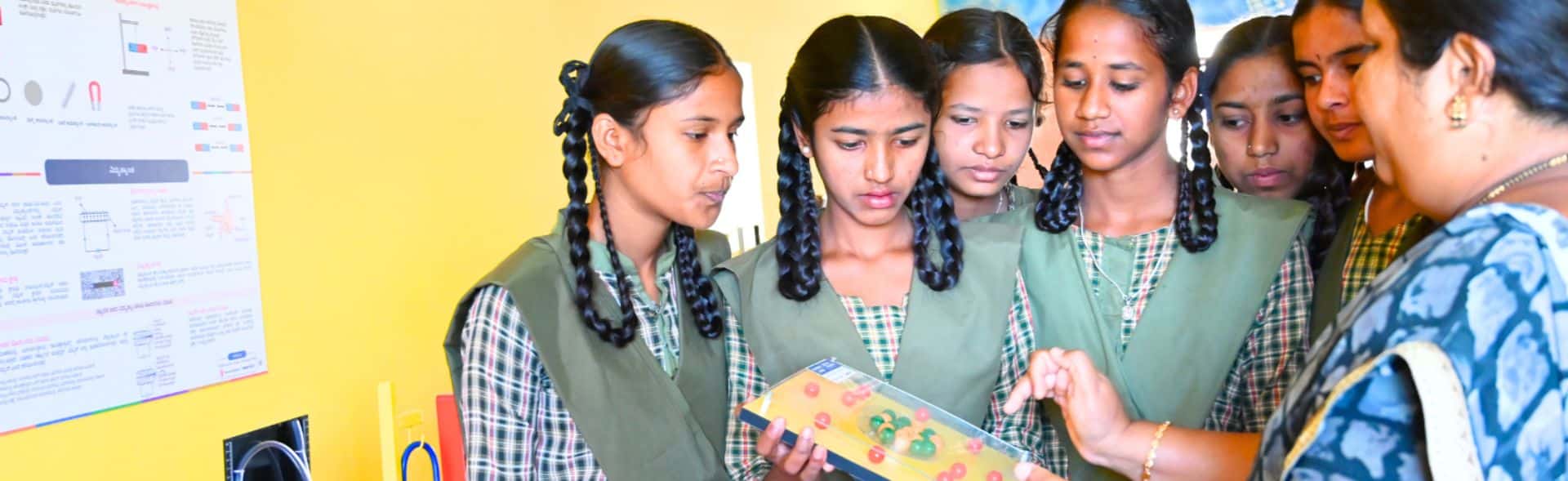
445The current education system relies on technology more than ever before. Digital tools enable children to access knowledge, experience interactive learning, and explore new methods of personal development. However, the digital divide between urban and rural areas in India creates accessibility challenges, preventing many children in remote regions from accessing digital resources.
The promotion of digital literacy through initiatives by educational NGOs in India supports effective learning, skill development, and improved child welfare through education, health awareness, and future opportunities.
What is Digital Literacy?
Digital literacy refers to the ability to use digital devices, applications, and online resources securely and efficiently. It includes the use of computers, tablets, and smartphones for research, learning, and communication.
A digitally literate child understands safe online behaviour, privacy, and responsible internet usage. These skills are essential for full participation in modern educational and social environments and play a crucial role in strengthening overall child welfare by enabling access to information, education, and safe digital practices.
Why Digital Literacy is Important for Children
Digital literacy allows children to access high-quality educational content and improve their learning outcomes. It makes learning more interactive and engaging, which helps improve academic performance.
It also supports the development of:
- Problem-solving skills
- Critical thinking
- Communication abilities
These skills help children grow beyond academics and build confidence to explore new opportunities.
Importance of Digital Literacy in Rural India
Digital literacy plays a vital role in rural India, where access to quality education is often limited.
Bridging the Rural–Urban Education Gap
Digital learning enables children in rural areas to access the same quality of education as their urban counterparts.
Enabling Equal Opportunities
Digital skills help children apply for scholarships, explore higher education, and prepare for future careers.
Supporting Inclusive Education
Technology enables access to learning for children with diverse needs, ensuring inclusivity.
Digital literacy also supports awareness around the right to education in India, helping children understand the importance of education in their lives.
Challenges in Rural Digital Education
The digital education system in rural India faces several challenges, including:
- Limited internet connectivity
- Lack of infrastructure
- Low awareness among communities
- Limited access to digital devices
Addressing these challenges requires focused strategies that improve access, awareness, and training.
How Digital Literacy Improves Child Welfare
Digital literacy strengthens child welfare by improving access to education, health information, and skill development.
Children with digital skills can:
- Participate in virtual learning
- Access educational resources
- Stay informed about health, hygiene, and safety
These skills support long-term personal growth and future opportunities.
Role of NGOs in Promoting Digital Literacy
NGOs play an important role in promoting digital literacy in rural India by working closely with communities.
Key initiatives include:
- Setting up digital classrooms with computers and internet access
- Training teachers and children in the use of technology
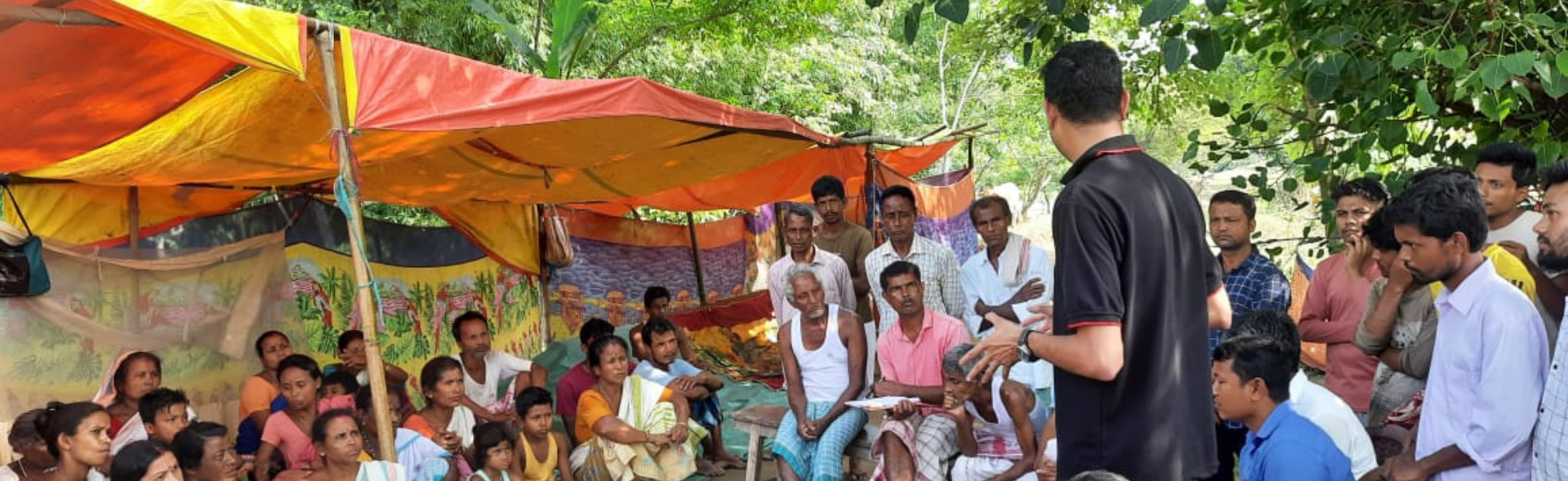
- Conducting community awareness programmes
Bal Raksha Bharat (also known as Save the Children India) demonstrates how sustainable digital learning systems can be developed to meet the needs of children in rural regions.
Role of CSR in Supporting Digital Education
Corporate social responsibility initiatives support digital literacy by:
- Developing infrastructure, such as computer labs and internet access
- Providing digital tools and learning resources
These partnerships help expand access to digital education and strengthen programme impact.
How Bal Raksha Bharat Supports Digital Learning
Bal Raksha Bharat has been working to improve child welfare across India. With more than 60 programmes, the organisation has impacted over 10 million children.
Its digital education initiatives focus on:
- Providing access to digital learning tools
- Supporting schools with infrastructure
- Training teachers in digital methods
- Creating awareness among communities
These efforts help build sustainable and inclusive digital learning environments.
Solutions to Strengthen Digital Literacy in Rural India
Strengthening digital literacy requires collaborative efforts:
- Public-private partnerships to improve infrastructure
- Community participation to ensure programme continuity
- Scalable NGO programmes to expand reach
- Digital awareness initiatives to promote safe usage
Conclusion
Digital literacy empowers children in rural India by improving access to education and essential life skills. It plays a key role in strengthening child welfare and preparing children for future opportunities.
With continued efforts from organisations, communities, and partners, children in rural areas can gain the digital skills needed to thrive in a modern world.
FAQs
-
What is digital literacy for children?
Digital literacy can be briefly described as the active use of digital devices, accessing knowledge, and being safe while getting online.
-
Why is digital literacy important in rural India?
The programme offers three key benefits that allow improved knowledge sharing to reduce educational disparities while teaching students modern skills through unbiased instructional approaches.
-
How can NGO improve digital literacy in rural areas?
The educators could possibly provide digital lessons or lectures as a part of these programmes, by working closely with NGOs and planning together effectively.
-
What challenges affect digital education in rural India?
The organisation needs to address various challenges improving internet connectivity and enhancing infrastructure, educating the public, and providing greater access to equipment.
-
How does digital literacy support child welfare?
It facilitates education and promotes global health and safety awareness, helping to build abilities for future growth.

“Naveen is an SEO expert and digital marketing analyst at Bal Raksha Bharat with a passion for helping businesses grow online. With a data-driven approach, he specializes in boosting search rankings, driving traffic, and optimizing digital strategies. Follow for tips on SEO, content, and marketing trends."

Email Newsletter
Stay updated with our latest blog posts and offers.
Categories

Popular Posts
- 10 inspiring self-made women entrepreneurs in india - 49849 views
- 80G Explained: Which Donations Qualify for Tax Benefits in India - 31005 views
- Top Ways to Protect Children and Support Their Development in India - 28379 views
- Role of Youth in Nation Building: Empowering Youth for a Stronger India - 26565 views
- What are the major causes of gender inequality? - 25804 views