
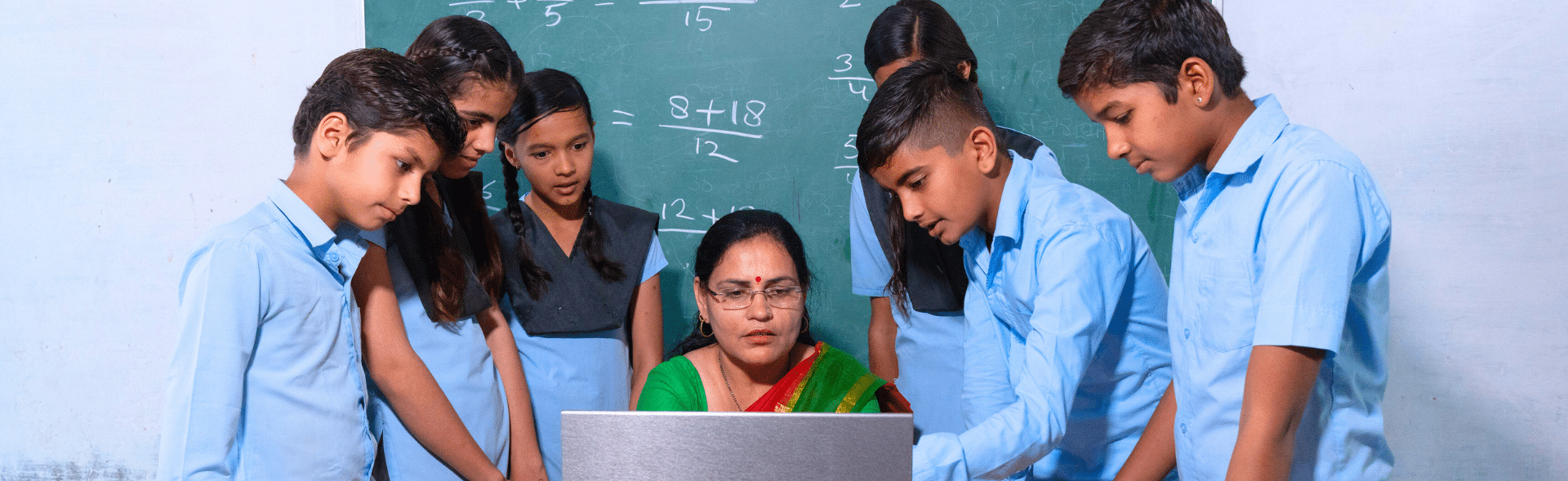
Why child-centred education is the future of learning
 28/10/25
 Inspiring Stories
 3841
3841Education is changing rapidly. Today, schools and educators are moving beyond one-size-fits-all teaching and focusing more on how each child learns, thinks, and grows. This approach, known as child-centred education, places the child at the heart of the learning process and encourages children to participate, ask questions, think creatively, and learn independently.
As families, teachers, and communities look for ways to prepare children for a changing world, child-centred education is becoming increasingly important. It helps children develop confidence, communication skills, problem-solving abilities, and a lifelong interest in learning.
Understanding why child-centred education is shaping the future of learning can help parents, teachers, and organisations create stronger learning environments that support every child’s growth and potential.
What Is Child-centred Education?
Child-centred education is a learning approach that focuses on the needs, interests, abilities, and pace of each child. Instead of focusing only on memorisation, it encourages children to explore ideas, ask questions, participate in discussions, and learn through meaningful experiences.
In a child-centred classroom, teachers act as guides and facilitators. They create opportunities for children to think independently, collaborate with others, and apply what they learn to real-life situations.
This approach recognises that every child learns differently and that learning becomes more effective when children are actively involved in the process.
Why Child-centred Education Matters Today
Children need more than textbook knowledge in today’s world. They are expected to communicate clearly, solve problems, adapt to new situations, and work with others. Child-centred education supports the development of these essential abilities from an early age.
When children participate actively in learning, they are more likely to:
- Develop confidence in expressing their ideas.
- Strengthen critical thinking and decision-making skills.
- Improve communication and collaboration abilities.
- Build curiosity and creativity.
- Take responsibility for their own learning.
These qualities help children succeed not only in school but also in future educational, professional, and social settings.
How Child-Centred Learning Supports Better Understanding
Children understand lessons better when they can connect lessons to their experiences. Activities such as group discussions, projects, storytelling, experiments, art, and problem-solving exercises make learning more engaging and memorable.
For example, a lesson about the environment becomes more meaningful when children participate in a community activity, observe nature directly, or discuss ways to care for their surroundings. Such experiences encourage active learning rather than passive memorisation.
As a result, children are more likely to retain knowledge and apply it in practical situations.
The Role of Teachers in Child-Centred Education
Teachers remain central to effective learning. In a child-centred approach, teachers do more than explain lessons. They understand each child’s progress, encourage participation, provide guidance, and create supportive learning experiences.
Effective teachers:
- Encourage questions and discussions.
- Recognise different learning styles.
- Provide constructive feedback.
- Create inclusive classroom environments.
- Help children set learning goals and reflect on their progress.
This supportive relationship helps children feel valued, respected, and motivated to learn.
Benefits of Child-Centred Education for Different Age Groups
Early Childhood
Young children learn through play, exploration, movement, and interaction. Child-centred activities help develop language, social skills, creativity, and emotional confidence.
Primary School Years
At this stage, children benefit from hands-on learning, storytelling, group projects, and practical activities that strengthen literacy, numeracy, and problem-solving skills.
Adolescence
Older children gain opportunities to think critically, express opinions, collaborate with peers, and prepare for future academic and career choices.
Technology and Child-centred Learning
Digital tools can support child-centred education when used thoughtfully. Interactive learning platforms, educational videos, virtual classrooms, and digital projects allow children to learn at their own pace and explore subjects in greater depth.
Technology also helps teachers personalise learning and provide additional support where needed. However, the focus remains on meaningful learning experiences rather than technology alone.
Why Child-Centred Education Is the Future of Learning
Future learning environments will need to prepare children for rapid social, technological, and economic changes. Child-centred education is well suited to this future because it helps children adapt to change, think independently, collaborate effectively, and continue learning throughout their lives.
Several trends are already encouraging this shift:
- Greater emphasis on creativity and innovation.
- Growing importance of communication and teamwork skills.
- Increased use of project-based and experiential learning.
- Recognition that every child learns differently.
- Expansion of digital and blended learning opportunities.
These changes make education increasingly relevant for schools, organisations, and communities across India.
The Role of Communities and Organisations
Communities, schools, and organisations all contribute to strengthening learning opportunities for children. Access to quality education, learning resources, trained educators, digital tools, and supportive programmes can help more children benefit from child-centred learning approaches.
Many families and supporters who donate for child education help create opportunities that allow children to participate in meaningful learning experiences. An NGO for education in India can work with schools, communities, and local stakeholders to improve access to quality education and support children’s overall development.
How Bal Raksha Bharat Supports Children’s Learning
At Bal Raksha Bharat (also known as Save the Children India), we believe that every child deserves opportunities to learn, grow, and realise their potential. Working since 2004 across 26 States and Union Territories, we have reached 11 million children through more than 60 programmes focused on education, healthcare, nutrition, protection, inclusion, resilience, disaster relief, and emergency preparedness.
By working in alignment with government policies and collaborating with communities, schools, and partners, we support learning environments that encourage participation, confidence, and learning among children.
Conclusion
Child-centred education is more than a teaching method. It is an approach that recognises each child as an active learner with unique abilities, interests, and potential. By encouraging participation, curiosity, creativity, and independent thinking, it helps children develop the skills needed for the future.
As education continues to develop, child-centred learning offers a practical and positive path toward stronger classrooms, more confident learners, and better opportunities for children across India. When families, educators, communities, and organisations work together to support this approach, they help create a future where every child can learn with confidence and purpose.
FAQs
1. What is child-centred education?
Child-centred education is an approach that focuses on the needs, interests, abilities, and learning pace of each child while encouraging active participation and independent thinking.
2. Why is child-centred education important?
It helps children develop confidence, creativity, communication skills, problem-solving abilities, and a stronger understanding of what they learn.
3. How does child-centred learning differ from traditional learning?
Traditional learning often focuses mainly on memorisation, while child-centred learning encourages exploration, discussion, collaboration, and practical application of knowledge.
4. Can technology support child-centred education?
Yes. Digital tools can provide personalised learning opportunities, interactive activities, and additional resources that support children’s learning needs.
5. How can parents support child-centred learning at home?
Parents can encourage questions, provide opportunities for reading and exploration, involve children in age-appropriate decisions, and create a positive environment that values learning and curiosity.

“Hi, I lead Brand & Engagement at Bal Raksha Bharat (formerly Save the Children, India), where my work is grounded in empathy, innovation, and measurable impact. I drive purpose-led brand and digital strategies that fuel fundraising, advocacy, and social change. With deep expertise in brand building, content, and storytelling, I craft campaigns that enhance awareness, foster meaningful engagement, and build lasting trust across diverse stakeholder groups."

Email Newsletter
Stay updated with our latest blog posts and offers.
Categories

Popular Posts
- 10 inspiring self-made women entrepreneurs in india - 49503 views
- 80G Explained: Which Donations Qualify for Tax Benefits in India - 30551 views
- Top Ways to Protect Children and Support Their Development in India - 28338 views
- Role of Youth in Nation Building: Empowering Youth for a Stronger India - 26516 views
- What are the major causes of gender inequality? - 24083 views