


Child Welfare Projects by NGO in Rajasthan
Programmes from 2024 to 2025-
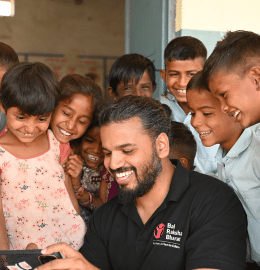
Pathshaala Plus – Bridging Learning Gaps through Remedial Education in Rajasthan
State– Rajasthan
District– Bhiwadi
Donor Name– Jaquar Foundation
Objectives– • Establish and operationalise two community Learning Centres in Bhiwadi.
• Improve school readiness through quality Early Childhood Care and Education for children aged 3–6 years.
• Provide bridge courses and remedial education to strengthen foundational learning among children aged 6–14 years.
• Facilitate enrolment, mainstreaming and retention in formal schools.
• Build the capacities of parents and caregivers to support children’s learning.
• Provide career counselling and guidance for adolescents aged 14–18 years.
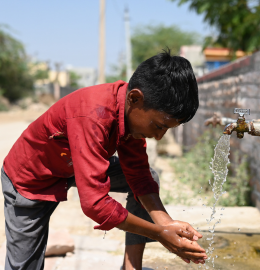
Bridge Foundation Program
State– Rajasthan
District– Jaipur
Donor Name– Bosch India Foundation
Total Reach– 1048
Objectives– The project follows a holistic, phased implementation strategy focused on improving teaching practices and learning experiences:
• Phase 1: A two-day workshop on experiential teaching and learning methods, including a needs assessment.
• Phase 2: A two-day workshop covering key concepts, perspectives, and the knowledge base of 21st-century skills.
• Phase 3: On-ground implementation of the program in selected schools.
• Phase 4: A two-day presentation workshop, showcasing learnings and outcomes.
• Teachers will receive comprehensive support packages that include: Project-Based Learning modules for English, Math, and Environmental Science/Science (Grades 4 to 7). Also, an assessment sheets aligned with the above subjects and grades. In the first year, the program will be implemented in 35 selected government schools, with training provided to 70 teachers.
• To ensure effective implementation and sustained impact, the project also emphasizes continuous handholding support through bi-weekly or monthly meetings between BRB facilitators and teachers. An online platform (including WhatsApp) for teachers to ask questions, share experiences, and access learning resources.
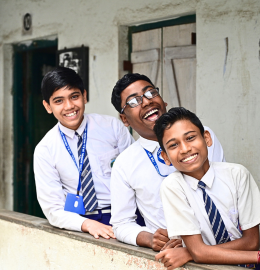
Dream Accelerator
State– Rajasthan
District– Dungarpur
Donor Name– Global Development Network (GDN)
Total Reach– 25,173
Objectives– The main objectives of this project are
-Augmenting capacities of Potential Child and Youth Champions on issues related to child and human rights
-To ensure implementation of Child/ Youth led planning and implementation of Micro-projects on pertinent social issues that affect them
-Formation of Children’s Councils, a network of children to influence decisions that impact their wellbeing with stakeholders using democratic means. / To strengthen children’s agency through formation of local level Children’s Councils
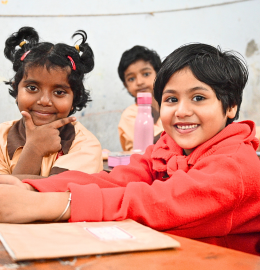
Eco Gram: Empowering Communities for Climate-Resilient Villages
State– Rajasthan
District– Phalodi
Donor Name– Gorbea Solar Private Limited (Zelestra)
Objectives – • Improve access to primary healthcare services in rural communities
• Promote climate awareness and sustainable practices through schools and communities
• Strengthen foundational literacy and numeracy among children
• Enhance community engagement in health, education, and environmental actions
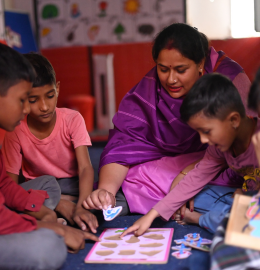
The Right Start: Enhancing School Readiness for Children in Anganwadi Centres
State– Rajasthan
District– Jodhpur
Donor Name– Generali Central Insurance Company Limited
Total Reach– 8201
Objectives– The main objectives of this project are:
-To create a child-friendly learning environment by developing 10 AWCs as Model Pre-School Education centers.
-Provide technical assistance to enhance the capacity of AWWs, and ICDS officials to ensure a smooth transition of children to primary schools.
-To strengthen parents and community engagements to support children’s school readiness.
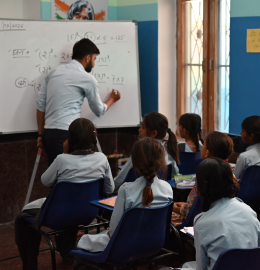
Gram Vikas – Integrated Community Development
State– Rajasthan
District– Pali
Donor Name– Nayara Energy Ltd
Total Reach– 11 Schools
Objectives– The main objectives of this project are:
-100% eligible children and youth access and benefit from appropriate learning opportunities in and out of school including digital education, life skills and vocational education;
-Progressing towards zero malnutrition, focusing on children under five and pregnant and lactating women, through the 1,000 Days approach;
-700 youth, men and women (representing 40% households) achieve gainful employment or improved livelihoods;
-1,600 households (80% households) in two panchayats benefitted from financial inclusion and social protection services from the EXCEL Centre.
Multi-Activity Centre for underprivileged/Migrant Workers’ Children
State– Rajasthan
District– Alwar
Donor Name– Tata BlueScope Steel Private Limited
Total Reach– 1536
Objectives– The main objectives of this project are:
-To create a child-friendly learning environment by developing 10 AWCs as Model Pre-School Education centers.
-Provide technical assistance to enhance the capacity of AWWs, and ICDS officials to ensure a smooth transition of children to primary schools.
-To strengthen parents and community engagements to support children’s school readiness.
Saajhi Shiksha: Roadmap to Sustainability
State– Rajasthan
District– Bhim Block, Rajsamand District
Donor Name– Larsen & Toubro Limited
Objective– • Strengthen foundational literacy and numeracy through home-based learning
• Enhance community ownership and parental engagement in education
• Build the capacity of youth and community volunteers for sustained learning support
• Integrate ICT and STEM for experiential and engaging learning
• Strengthen school and community institutions for long-term sustainability
To explore detailed information about each state program, click the button below. This will take you back to the comprehensive program overview, where you can access all relevant details and updates.
Bridge Foundation Program
A. Project Context
Traditional teaching methods are not effectively developing students’ analytical and creative skills. Research indicates that fewer than 10% of classrooms have transitioned from rote learning to more dynamic approaches. Industry experts highlight a growing concern that current education systems are not providing the skills needed for future workplaces shaped by AI and automation. To bridge this gap, it is crucial to implement teaching methods that incorporate 21st-century skills, ensuring students are well-equipped for real-life challenges. National Educational Policies emphasize the importance of activity-based and experiential learning for skill development. Teachers need targeted capacity-building programs to acquire and apply new teaching strategies. This involves continuous learning, practice, and evaluation, supported by systematic monitoring and mentoring within the educational framework. By enabling teachers to adapt to these evolving requirements, we can transform classrooms into environments that effectively prepare students for future success.
B. Project Objective
The project follows a holistic, phased implementation strategy focused on improving teaching practices and learning experiences:
• Phase 1: A two-day workshop on experiential teaching and learning methods, including a needs assessment.
• Phase 2: A two-day workshop covering key concepts, perspectives, and the knowledge base of 21st-century skills.
• Phase 3: On-ground implementation of the program in selected schools.
• Phase 4: A two-day presentation workshop, showcasing learnings and outcomes.
• Teachers will receive comprehensive support packages that include: Project-Based Learning modules for English, Math, and Environmental Science/Science (Grades 4 to 7). Also, an assessment sheets aligned with the above subjects and grades. In the first year, the program will be implemented in 35 selected government schools, with training provided to 70 teachers.
• To ensure effective implementation and sustained impact, the project also emphasizes continuous handholding support through bi-weekly or monthly meetings between BRB facilitators and teachers. An online platform (including WhatsApp) for teachers to ask questions, share experiences, and access learning resources.
C. Key Activities Implemented
Signing of MoU with the Education Department- To ensure effective implementation of the project in close coordination with the Department of Education, a comprehensive joint partnership was initiated. A draft Memorandum of Understanding (MoU), incorporating the 21st-century skills approach under the “Rising Rajasthan” initiative, was prepared and shared with the Education Department for review and approval. After a series of reviews, discussions, and presentations on the project scope, the MoU was finalized and signed in March 2025. This MoU is valid for a period of four years. In accordance with departmental norms, a nodal officer was appointed to oversee the review and monitoring of project activities. Following the appointment, the nodal officer authorized the Block Education Department to extend full support and cooperation for the successful implementation of 21st-century skills across 106 schools in the Bassi Block. Based on this authorization, the Block Education Department issued a formal letter to 35 schools, inviting their participation in a three-day training program on 21st-century skills as part of the project.
Orientation of Project Team on 21st-Century Skills- A seven-day residential orientation and training program on 21st-century skills was conducted in collaboration with Bosch India Foundation. The training aimed to equip participants with essential skills needed to thrive in today’s fast-paced world, including critical thinking, creativity, collaboration, communication, digital literacy, and problem-solving. The sessions emphasized adaptability, lifelong learning, and a holistic educational approach. Participants were encouraged to reflect on their current competencies and explore ways to further enhance them for future success.
Baseline Assessment in Schools- To assess the learning levels of students in relation to the 4Cs (Communication, Collaboration, Critical Thinking, and Creativity) within the subjects of English, Mathematics, and Environmental Studies (EVS), a baseline assessment was conducted in 35 selected schools. The focus was on students from Grades 4 to 7. A Management Information System (MIS) format was developed using KOBO tools for data collection. The process of entering the collected data is currently ongoing.
District-Level Orientation with Government Officials- A district-level orientation workshop was organized on 12th February 2025 at Hotel Ramada, Jaipur, for education department officials. The objective was to build awareness around the “Bridge Foundation Program,” its goals, and its implementation strategy in the 106 schools of Bassi Block. The session also introduced participants to the key components of 21st-century skills—such as communication and collaboration, critical and creative thinking, digital literacy, and socio-cultural understanding—and their integration into project-based learning in classrooms. An Android-based learning application, “Teachopia,” developed by Caring with Colours, was introduced during the session. A shared understanding was also established regarding the expected support and facilitation roles of the Education Department and Bal Raksha Bharat in rolling out these initiatives in schools.
Orientation Training of Teachers on 21st-Century Skills- A three-day orientation and training program for government school teachers was conducted in collaboration with the Jaipur Education Department. The objective was to enhance teachers’ understanding of the “Bridge Foundation Program” and its implementation strategy in 106 schools of Bassi Block. Teachers were introduced to 21st-century skills—including communication, collaboration, creativity, critical thinking, digital literacy, and global awareness—and their integration into project-based learning in classroom practices. The training was participatory in nature, ensuring active involvement from all participants. One full day was dedicated to teacher-led demonstrations, showcasing the application of project-based learning approaches. The Teachopia app was also introduced as a classroom resource. A shared understanding was developed regarding the expected roles of the department and Bal Raksha Bharat in implementing the initiative. A total of 59 participants attended all technical sessions and demonstrations. Pre- and post-training questionnaires were administered, and analysis of responses is currently underway.
Translation of Documents- Teachopia is a mobile-based learning platform developed by Caring with Colours (Karnataka), featuring project-based learning content and worksheets for Grades 4 to 7 in English, Mathematics, and EVS. Originally available in English and Kannada, the content required translation into Hindi to suit the Rajasthan context. Additionally, other key documents—including the baseline and endline formats, concept notes, teacher reference materials, and presentations—also required translation. A vendor has been successfully onboarded for this task. As a result, translations of all presentations, assessment tools, project-based learning materials, concept notes, and worksheets for English and EVS (Grades 4 and 5) have been completed.
D. Top-line of Results (outputs/outcomes) achieved.
During 4-month implementation of the project, made significant progress towards its objective which are as-
• A Memorandum of Understanding (MoU) has been signed in partnership with the Education Department, Rajasthan.
• Key documents—including presentations, concept notes, project-based learning materials (for all grades and subjects), and assessment sheets (English for all grades, and EVS for Grades 4 and 5)—have been translated.
• Project teams have been oriented on 21st-century skills and their components.
• 21 officials have been oriented through district-level orientation and sharing sessions.
• 59 teachers have been trained on 21st-century skills and their components.
• Baseline assessments have been completed in 35 schools, reaching approximately 900 children.
Dream Accelerator
A. Project Context
Bal Raksha Bharat, in order to work for and with children, recognizes and upholds key principles of the United Nations Child Rights Convention (UNCRC) and the overarching SDG principles that gives children an opportunity to express their views, be involved in decisions and take action on child rights Globally there is a growing emphasis of child participation through various social accountability mechanisms which are being effectively embedded in formal governance structures especially at the local level. This provides scope for meaningful and inclusive engagement of children/ youth to lead their own campaign for responsive governance and sustainability.
B. Project Objective
• Augmenting capacities of Potential Child and Youth Champions on issues related to child and human rights
• To ensure implementation of Child/ Youth led planning and implementation of Micro-projects on pertinent social issues that affect them
• Formation of Children’s Councils, a network of children to influence decisions that impact their wellbeing with stakeholders using democratic means. / To strengthen children’s agency through formation of local level Children’s Councils
C. Key Activities Implemented
• Identification and Capacity Building of 172 Child/youth Champions on guided audio-visual modules
• Developing SIX new audio-visual modules
• Developing Case Story Compendium for stories of change
• 29 Micro Projects rolled out across 10 locations involving more than 150 children/youth directly
• 19 Youth Councils are formed and actively pitching for the rights of children/youth with ley stakeholders
D. Top-line of Results (outputs/outcomes) achieved.
1. Child-led Advocacy and Community Impact:
Children across Rajasthan, Bihar, and Jammu & Kashmir have championed local advocacy initiatives. From using storytelling to influence district authorities, to facilitating school re-enrolment of dropouts, and mobilising councillors for environmental campaigns—these efforts highlight the transformative power of child voices in governance and community action.
2. Capacity Building of Child Champions:
A total of 172 Child Champions have been identified and trained across project Location/s. They have completed capacity-building sessions on six customized modules focused on child rights, leadership, communication, and civic participation—equipping them to be change agents in their communities.
3. Youth-led Micro Projects for Social Change:
Out of 39 submissions, 29 innovative Micro-Projects led by children and youth have been selected and implemented. These initiatives address critical issues such as health, education, ending child marriage, and environmental sustainability, demonstrating youth-led problem-solving and innovation.
4. Democratic Youth Participation Structures:
19 functional Children’s and Youth Councils have been activated through democratic elections. These councils serve as formal platforms for sustained youth engagement in civic issues, promoting leadership and structured participation in local decision-making.
ECO GRAM – Empowering Communities for Climate-Resilient Villages
Project Brief:
An integrated development initiative promoting climate-resilient communities through improved healthcare access, eco-friendly schools, and strengthened foundational learning for children.
Project Context
Communities in Rajasthan’s Bap block are gradually embracing opportunities to strengthen health systems, climate resilience, and education outcomes. ECO GRAM builds on this momentum by integrating community-driven approaches that promote healthier lives, sustainable practices, and improved learning environments.
Aligned with national priorities on climate action, health, and foundational learning, the project brings together mobile healthcare services, eco-clubs, and learning support initiatives to create holistic impact. By empowering communities, engaging children as change-makers, and strengthening local systems, the initiative is fostering resilient, eco-conscious, and well-informed communities prepared for the future.
Project Goal
To build climate-resilient, healthy, and education-focused communities by improving access to healthcare, promoting sustainable practices, and strengthening foundational learning.
Project Objectives
-Improve access to primary healthcare services in rural communities
-Promote climate awareness and sustainable practices through schools and communities
-Strengthen foundational literacy and numeracy among children
-Enhance community engagement in health, education, and environmental actions
Project Activities
-Running and management of Mobile Health Units (MHU) for primary healthcare services and outreach
-Community awareness campaigns on health and preventive practices
-Formation and strengthening of Eco Clubs in schools
-Plantation drives, environmental campaigns, and celebration of key climate days
-Sensitization workshops for students, teachers, and community stakeholders
-Remedial education through Catch-Up Clubs for improvement of Foundational Literacy & Numeracy (FLN)
-Capacity building of facilitators and engagement with parents for learning continuity
The Right Start- Enhancing School Readiness for Anganwadi Centres in Rajasthan
An early childhood education initiative focused on strengthening school readiness through play-based learning, capacity building of Anganwadi workers, and community engagement to ensure children transition successfully into primary education.
Project Context
Early childhood is a critical stage to build strong foundations for lifelong learning. Across India, Anganwadi Centres serve as a vital platform to support young children’s development, offering an opportunity to enhance school readiness through quality early learning experiences.
Aligned with national priorities such as the New Education Policy (NEP) 2020 and the Early Childhood Care & Education (ECCE) frameworks, the project focuses on strengthening these existing systems by introducing play-based, child-friendly learning approaches. By empowering Anganwadi Workers, engaging parents, and creating stimulating learning environments, the initiative is enabling children to develop essential cognitive, social, and emotional skills—ensuring a smoother and more confident transition into formal schooling.
Project Goal
To improve school readiness and ensure access to quality early learning for children aged 3–6 years.
Project Objective
– Strengthen early childhood education through play-based learning approaches
– Build the capacity of Anganwadi Workers and the Integrated Child Development Services (ICDS) officials
– Enhance child-friendly learning environments in Anganwadi Centres
– Promote parental and community engagement in early learning
– Support smooth transition of children from Anganwadi to primary schools
Project Activities
– Transformation of Anganwadi Centres into model pre-school learning spaces
– Training and mentoring of Anganwadi Workers on ECCE and play-based pedagogy
– Establishment of learning corners and child-friendly environments
– Community engagement through parent trainings, mother groups, and awareness drives
– Strengthening convergence between Anganwadi Centres and primary schools
– Monitoring, evaluation, and continuous learning through structured assessments
Gram Vikas – Integrated Community Development in Pali District, Rajasthan
A. Project Context
The situation of Chotila and Bithoo panchayat in Rohat Block and their population resemble the mirror of the majority of panchayats in Pali District, Rajasthan State. In collaboration with the Nayara Energy CSR team, the proposed project sees an opportunity to transform the current context.
Enhancing Educational Outcomes:
The disparity in literacy rates between genders in Bithoo and Chotila Panchayats is notable. Addressing the high dropout rate among girls can be achieved by enhancing access to education through community-based learning centres. Implementing child-centric teaching methodologies and incorporating experiential learning, such as STEM labs, as recommended by the National Education Policy 2020, will improve the learning environment and keep students engaged.
Promoting Health and Nutrition:
The high rates of malnutrition and health issues such as stunting and wasting in children are alarming. In Bithoo and Chotila, promoting the 1000-day care approach can significantly impact children’s physical and mental development during the critical first two years of their lives. This initiative should focus on improving maternal health as well, which is crucial for child development and women’s participation in economic activities.
Strengthening Livelihoods Through Promoting Microenterprise:
Self-help Groups (SHGs) play a vital role in the rural economy of Rohat Block. In Bithoo and Chotila, these groups have the potential to diversify into various ventures such as tailoring and organic manure production. By building skills among adolescent girls and women and promoting micro-enterprises through the federation of SHGs, there is a significant opportunity to boost economic empowerment and sustainable development. Furthermore, enhancing financial inclusion through initiatives like Bank Sakhi and Udhyam Sakhi will support these efforts.
Promoting Financial Inclusion and Strengthening Social Protection Coverage:
Promoting Financial Inclusion and strengthening social protection coverage in Bithoo and Chotila Panchayats can be a strategic opportunity to enhance economic stability and resilience among the local populations. Initiatives like integrating digital financial services with the activities of SHGs and introducing comprehensive insurance schemes can significantly improve access to financial resources and mitigate risks associated with health and business ventures.
B. Project Objective
a) 100% eligible children and youth access and benefit from appropriate learning opportunities in and out of school including digital education, life skills and vocational education;
b) Progressing towards zero malnutrition, focusing on children under five and pregnant and lactating women, through the 1,000 Days approach;
c) 700 youth, men and women (representing 40% households) achieve gainful employment or improved livelihoods;
d) 1,600 households (80% households) in two panchayats benefitted from financial inclusion and social protection services from the EXCEL Centre.
C. Key Activities Implemented
1. Project Initiation & Team Setup
• Project office set up in Rohat block, Pali district.
• Recruitment of core project team completed
• Conducted virtual project orientation with Nayara Energy, including branding and communication sessions.
2. Baseline Preparation and Household Survey
• Finalization of comprehensive household survey tool covering demographics, education, health, nutrition, financial inclusion, and social protection.
• Enumerator training conducted (ethical data collection, community entry, confidentiality).
• Rolled out Household-level baseline survey.
3. Facility Assessment
• 12 government schools and 9 Anganwadi centres assessed for infrastructure and functional gaps.
• Engagement of a technical agency for civil work planning and BoQ development.
4. Stakeholder Engagement & Partnership Building
• Meetings with teachers, principals, Government College, and Nayara Depot team.
• Introductory meetings with CDPO, BDO, SDM, and District Collector to align on project vision.
• Field visit by CSIR-CBRI under Smart Village Mission, with suggestions for climate-resilient rural development.
5. Community Engagement Activities
• Conducted a 7-day theatre workshop with children to build confidence and communication skills, with a focus on girls’ leadership.
• Finalized location for Nayara EXCEL Centre in Sawaipura village (services to include digital literacy, life skills, health kiosk, etc.).
D. Top-line of Results (outputs/outcomes) achieved.
• 1,830 households surveyed using digital tools, ensuring accurate, real-time baseline data for evidence-based planning.
• Significant infrastructure gaps identified across schools and Anganwadi centres through facility assessments; BoQ preparation is in progress to address priority needs.
• Collaboration initiated with CSIR-CBRI under the Smart Village Mission to integrate climate-resilient and technology-driven solutions for sustainable rural development.
Multi Activity Centre for Underprivileged/ Migrant workers’ Children
A. Project Context
India’s rapid urbanization has led to a significant increase in rural-to-urban migration, with over 13.9 crore migrants many of them informal construction workers living in slums and temporary settlements. These families often migrate with their children, who face serious challenges in accessing healthcare, nutrition, and education. In Khairthal-Tijara district (formerly part of Alwar district), like in many urban areas, children of migrant workers are especially vulnerable due to poor living conditions, lack of documentation, disrupted schooling, and limited access to public services. Health issues such as anaemia, poor hygiene, and inadequate sanitation are common, alongside educational barriers like irregular school attendance and lack of learning support.
To address these challenges, the Multi Activity Centre for Underprivileged/Migrant Workers’ Children provides integrated services in health, nutrition, and education. The aim is to reduce children’s vulnerability, ensure continuity in learning, and create a safe, supportive environment. This initiative responds to both immediate needs and long-term resilience of migrant families, in line with the Social Stock Exchange (SSE)’s focus on measurable social impact.
B. Project Objective
• Ensure children’s access, both boys and girls, to formal education institutions by addressing the learning gaps and providing remedial measures focusing on learning continuity.
• Ensuring Health & Safety of families through health promotion activities.
C. Key Activities Implemented
1. Bridge schooling and remedial education for MAC children- Throughout the year, MAC centres implemented structured bridge schooling and remedial education programs focused on building foundational skills in Hindi, English, and Math. These interventions prioritized hands-on learning, targeted support, and personalized instruction to address individual learning gaps, enhance comprehension, and boost student confidence for long-term academic success.
2. Parent-Teacher Meetings were held regularly throughout the year at both Karoli and Chopanki MAC centres to enhance parental engagement and support children’s academic and overall development. A total of 202 parents and older siblings participated across these meetings (with some attending multiple sessions). During each meeting, parents were updated on their children’s learning progress, hygiene habits, and social behaviours. Many shared positive feedbacks, noting improvements in counting, poem recitation, and personal cleanliness. MAC teams emphasized the importance of regular attendance, coming to the centre clean and well-fed, and maintaining a balanced diet to reduce illness. The sessions also highlighted MAC’s intermediary learning approach, designed to prepare children for formal schooling. Pre- and post-assessment results were shared, and guidance was provided on completing necessary documentation such as Aadhar cards, birth certificates for upcoming school admissions. To ensure broad participation, PTMs were scheduled conveniently including Sundays and special sessions were held for migrant families. Parents were also encouraged to donate unused books and notebooks to support the centres. These meetings helped strengthen the partnership between MAC and the community, reinforcing parents’ commitment to their children continued learning and development.
3. Celebration of Special days to spread the messages of the project.
The project observed/ celebrated below days with the project community, children and stakeholders to advocate for and spread awareness on issues of children.
• Yoga day celebrations- 21st June, 2024,
• Independence Day celebration- 15th August 2024
• Teachers’ Day celebration- 5th September, 2024
• Global Handwashing Day – 5th October, 2024
• Sports Day Celebration –7th February 2025,
• International Women’s Day 2025 Celebrations – 7th and 8th, March 2025.
• Safety day celebration- 7th and 10th, March 2025.
• National Girl Child Day and Republic Day Celebrations- 24th January 2025.
• UNCRC (United Nations Convention on the Rights of the Child) week celebration- From 14th to 20th November 2024
4. Daan Utsav celebration- Daan Utsav, the Joy of Giving Week, was celebrated at Karoli and Chopanki MACs from October 2nd to 8th, bringing together children, staff, and community members in a series of impactful events aimed at fostering generosity, learning, and social responsibility. The key activities of the celebration included:
• Tata BlueScope Steel Plant Visit
• Books Distribution
• Cleanliness Drive (Swachhata Abhiyan)
• Educational Support
• Community Waste Disposal and Tree Plantation
• Donations from Supporters
5. Procure and provide interactive age-appropriate and activity-based teaching-learning materials and education kit to the children attending MACs
• To enhance the quality of education and promote interactive learning, a range of teaching-learning materials (TLMs) and educational supplies were procured, and distributed at both the MAC centres. These included age-appropriate activity-based learning resources, stationery items, notebooks, and school bags tailored to the needs of children at different learning levels. The materials were not only distributed to children but also regularly used by our academic support fellows and community mobilizers during classroom sessions to make learning more engaging and effective. Activity-based tools such as flashcards, number puzzles, alphabets, storybooks, and creative craft supplies were integrated into daily lessons to reinforce concepts in a fun and hands-on manner. The education kits supported foundational literacy and numeracy development, while also encouraging curiosity and participation among children.
6. Facilitate access to sustainable social protection schemes for the children of Construction workers and their families:
• Throughout the year, Social Protection Scheme camps were organized at Chopanki MAC, and Karoli MAC to extend essential government welfare services to construction worker families. These camps collectively reached 216 beneficiaries, connecting them to vital entitlements and schemes. These camps not only enabled access to critical schemes but also empowered families with information, fostering better utilization of government entitlements and improving community well-being.
7. Organize health check-up camps aimed at improving the health conditions of the workers and their families:
Throughout the reporting year, seven health check-up camps were organized at the Chopanki and Karoli Multi-Activity Centres (MACs), benefiting a total of 838 individuals. These camps, held in collaboration with Primary Health Centres and local hospitals, focused on enhancing the health and well-being of children and families of construction workers. General health services included the distribution of deworming tablets, iron-folic acid supplements, and treatment for seasonal ailments such as cough, cold, fever, and stomach infections. Doctors also emphasized the importance of personal hygiene practices like regular handwashing, nail trimming, and bathing. Eye check-up camps were conducted under Project Nayan in partnership with Shroff Charity Eye Hospital, screening 191 individuals and issuing erral cards for advanced care. A large-scale health camp, organized in collaboration with Bal Raksha Bharat, Aaru Swasthya Kendra, and New Modern School, reached 422 individuals and addressed broader issues such as women’s health and children’s health, supported by proactive door-to-door mobilization by community staff.
8. Sensitization on Menstrual Hygiene and providing Sanitary Napkins to Menstruating women:
To promote menstrual health and hygiene among women from construction worker communities, a series of sensitization sessions were conducted at the Chopanki and Karoli Multi-Activity Centres (MACs) throughout the reporting year. These sessions aimed to break taboos, enhance knowledge, and encourage safe practices related to menstruation. The sessions, attended by a total of 367 women, provided information on the importance of menstrual hygiene, the safe use and disposal of sanitary napkins, and alternatives like sun-dried reusable cloth. Health risks such as vaginal infections resulting from poor hygiene were discussed, with a strong emphasis on the need to seek timely medical attention. IEC materials and educational videos were used to support learning, and local healthcare providers such as Anganwadi and ASHA workers facilitated discussions and shared resources. Sanitary napkins were distributed to all participants to encourage adoption of safer menstrual practices. Participants were also made aware of affordable and free access to menstrual products through government schemes such as the Bhartiya Jan Aushadhi Kendra and Anganwadi centers. These efforts have contributed to increased awareness, behavior change, and improved menstrual health management in the target communities.
9. Growth Monitoring & Anthropometry of the children (0-5 years):
During the reporting year, growth monitoring and anthropometric assessments were conducted for children aged 0–5 years at the Karoli and Chopanki Anganwadi Centres (AWCs). A total of 209 children were measured for height and weight with the support of Anganwadi workers to assess their nutritional and physical development. These sessions served as an opportunity to raise awareness among caregivers about the importance of a balanced and nutritious diet, with a focus on green vegetables, fruits, and locally available healthy food options. Caregivers were also sensitized on minimizing the consumption of junk food. Alongside nutrition education, the camps promoted essential hygiene practices such as handwashing with soap at critical times and maintaining personal cleanliness, especially when attending the AWC.
D. Top-line of Results (outputs/outcomes) achieved.
• Enrolment of MAC children in formal schooling- During the reporting period (April 2024 – March 2025), 68 children were enrolled in the schools of Karoli and Chopanki villages. These children were admitted to standard 1st to 7th following the Right to Education (RTE) norms. Our Academic Support Fellows (ASFs) and Community Mobilizers (CMs) were instrumental in this effort, collaborating with school authorities and parents to facilitate the necessary documentation and enrolment process.
• New admissions in the MAC- In this year, a total of 313 children who were previously unenrolled or out of school were successfully enrolled across both MACs. This effort aimed to provide these children with access to quality education and support their holistic development, ensuring they have the opportunity to learn, grow, and thrive within a supportive environment. In March’25 the strength of children in MAC is 185 (Boys-84, Girls-101).
• Facilitate access to sustainable social protection schemes for the children of Construction workers and their families- 216 beneficiaries connected to key social protection schemes through camps at Chopanki and Karoli MACs. Enabled access to pensions, E-Shram cards, Palanhar Yojana, and 12 labour cards; 41 ABHA health cards created. Awareness sessions conducted on health and welfare schemes (e.g., Ayushman Card, Antyodaya Yojana, Sukanya Samriddhi, PM Matritva Abhiyan). Improved access to government entitlements and enhanced awareness among migrant families, especially women and children.
• Health Check-up Camps- Seven health camps were organized at Chopanki and Karoli Multi-Activity Centres (MACs), benefiting a total of 838 individuals with general health services such as deworming, iron-folic acid supplements, and treatment for seasonal illnesses providing free medicines. Under Project Nayan, 191 individuals received eye check-ups, with referrals provided for advanced care. A large-scale health camp, conducted with support from partners, reached 422 beneficiaries and focused on women’s and children’s health with support from Aaru Swasthya Kendra led by Varun Breweries (Pepsico). Overall, these camps enhanced access to primary healthcare services and strengthened preventive health awareness within the community.
• Growth Monitoring & Nutrition Awareness- Anthropometric assessments for 209 children aged 0–5 years were conducted at Karoli and Chopanki Anganwadi Centres to monitor height and weight. To support early learning, Karoli AWC-1 was equipped with Teaching and Learning Materials (TLMs) and play items like charts, pencils, and alphabet cards.
Saajhi Shiksha: Roadmap to Sustainability
Project Brief:
Saajhi Shiksha is a community-driven education initiative that strengthens foundational learning through home-based mentorship, Learning Resource Centres, and technology-enabled approaches, ensuring children continue to learn, thrive, and succeed.
Project Context
In rural Rajasthan, children from underserved communities are demonstrating strong potential to learn and succeed when supported with the right environment. Building on earlier successes, Saajhi Shiksha focuses on sustaining and deepening these gains by strengthening community ownership and engagement in education.
Aligned with national priorities like the Foundational Literacy and Numeracy mission and NEP 2020, the project promotes a collaborative ecosystem where parents, teachers, community volunteers, and local institutions work together to support children’s learning. By integrating home-based mentorship, community-led learning spaces, and innovative ICT and STEM approaches, the initiative is paving the way for a sustainable, inclusive, and future-ready education model.
Project Goal
To build a sustainable, community-driven education ecosystem that ensures improved foundational learning and holistic development for children.
Project Objectives
• Strengthen foundational literacy and numeracy through home-based learning
• Enhance community ownership and parental engagement in education
• Build the capacity of youth and community volunteers for sustained learning support
• Integrate ICT and STEM for experiential and engaging learning
• Strengthen school and community institutions for long-term sustainability
Project Activities
• Expansion and training of Mother Mentors for home-based learning support
• Establishment and strengthening of Learning Resource Centres (LRCs)
• Capacity building of youth volunteers and community stakeholders
• Regular community engagement meetings with parents and Panchayats
• ICT and STEM integration through teacher training and school support
• Strengthening School Management Committees (SMCs) and local institutions
Pathshaala Plus – Bridging Learning Gaps through Remedial Education
Project Brief:
Pathshaala Plus is a comprehensive education initiative by Bal Raksha Bharat that aims to improve access to quality education for vulnerable children and adolescents in Bhiwadi, Rajasthan. Leveraging the organisation’s flagship Multi Activity Centre (MAC) model, the project establishes community-based learning centres to provide Early Childhood Care and Education (ECCE), bridge learning, remedial education and career counselling. Through a Hub-and-Spoke approach, the project strengthens school readiness, addresses learning gaps, supports mainstreaming into formal education and equips adolescents with career guidance, ensuring that children from migrant and marginalised communities remain on a pathway to lifelong learning.
Project Context
Rajasthan continues to face significant educational challenges, with high numbers of out-of-school children and persistent dropout rates. In industrial towns like Bhiwadi, children from migrant worker families experience disrupted education due to seasonal migration, language barriers, poverty and child labour. These factors contribute to poor learning outcomes, irregular attendance, early marriage, exploitation and limited future opportunities. The project responds to these challenges by creating safe learning spaces that support children’s educational journey from early childhood through adolescence while strengthening family and community participation in education.
Project Goal
To ensure that children and adolescents (3–18 years) from vulnerable and migrant communities have equitable access to quality education by addressing learning gaps, strengthening foundational skills and enabling their successful integration and retention in formal education.
Project Objectives
• Establish and operationalise two community Learning Centres in Bhiwadi.
• Improve school readiness through quality Early Childhood Care and Education for children aged 3–6 years.
• Provide bridge courses and remedial education to strengthen foundational learning among children aged 6–14 years.
• Facilitate enrolment, mainstreaming and retention in formal schools.
• Build the capacities of parents and caregivers to support children’s learning.
• Provide career counselling and guidance for adolescents aged 14–18 years.
Project Activities:
Learning Centres: Establish and operate two community Learning Centres, provide interactive learning kits and age-appropriate educational materials, and organise cultural and learning events at the centres and partner schools.
Early Childhood Education: Identify children aged 3–6 years, deliver preschool education activities, and orient parents and caregivers on school readiness, learning through play and early childhood development modules.
Remedial Education: Identify children aged 6–14 years, conduct bridge courses and remedial education to address learning gaps, and facilitate their enrolment and mainstreaming into nearby schools through community campaigns.
Parent & Community Engagement: Conduct regular meetings with parents and caregivers to review children’s progress and strengthen community ownership of education.
Career Guidance: Provide career counselling and future planning support for adolescents aged 14–18 years at Learning Centres and intervention schools.