


Child Welfare Projects by NGO in Karnataka
Programmes from 2025 to 2026-
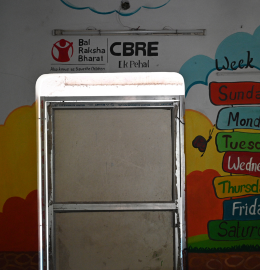
Ek-Pehal Udaan
State– Karnataka
District– Bengaluru
Donor Name– CBRE South Asia Private Limited
Objectives– The main objectives of this project are
• Establish safe and accessible community learning centres across five cities.
• Improve school readiness and access to quality ECCE for children aged 3–6 years.
• Strengthen foundational literacy and numeracy through bridge learning for children aged 6–14 years.
• Facilitate age-appropriate enrolment, mainstreaming and retention in formal schools.
• Enhance parental and community participation in children’s education.
• Strengthen linkages with government systems to ensure access to education, nutrition and child protection services.
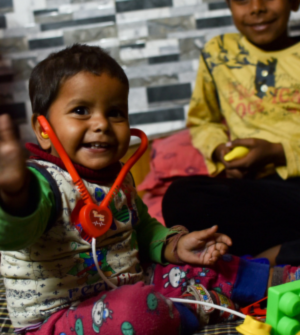
Swasthya Rath: Mobile Health for All – Bringing Primary Healthcare to Every Doorstep
State– Karnataka
District– Byadagi & Hirekerur, Haveri
Donor Name– Shahi Exports PVT. Ltd
Objectives-• Enhance access to primary healthcare services in underserved areas
• Promote early detection and management of diseases
• Improve maternal and child health outcomes
• Strengthen awareness of health, hygiene, and nutrition practices
• Improve linkages with public health systems and referral services
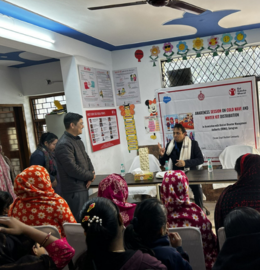
Building Climate-Smart Resilient Communities for Children
State– Karnataka
District– Bengaluru
Donor Name– Salesforce India Private Limited
Total Reach– 1,00,967
Objectives– To enhance Climate & disaster resilience in vulnerable urban and rural communities—especially for children and women—by improving preparedness, facilitating access to social protection schemes, and strengthening coordination between communities and institutional stakeholders.
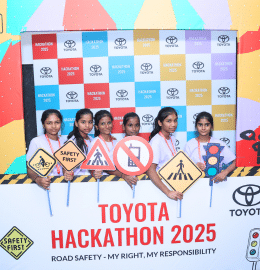
Toyota Hackathon
State– Karnataka
District– Ramanagara
Donor Name– Toyota Kirloskar Motor Pvt. Ltd
Total Reach– 14,300
Objectives– The main objectives of this project are:
Foster Innovation: Inspire students to develop cutting-edge solutions for road safety and sustainable mobility.
Encourage Collaboration: Promote teamwork and the sharing of ideas across different schools and regions.
Enhance Problem-Solving Skills: Provide a platform for students to tackle real-world challenges through technology and creativity.
Promote Road Safety Awareness: Involve students in designing and implementing solutions that improve road safety in their communities.
Bridge Foundation Program
State– Karnataka
District– Bangalore
Donor Name– Bosch India Foundation
Total Reach– 1048
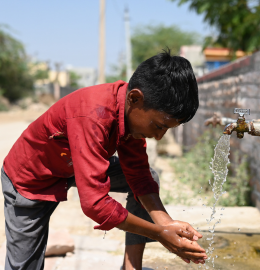
Objectives– The project follows a holistic, phased implementation strategy focused on improving teaching practices and learning experiences:
• Phase 1: A two-day workshop on experiential teaching and learning methods, including a needs assessment.
• Phase 2: A two-day workshop covering key concepts, perspectives, and the knowledge base of 21st-century skills.
• Phase 3: On-ground implementation of the program in selected schools.
• Phase 4: A two-day presentation workshop, showcasing learnings and outcomes.
• Teachers will receive comprehensive support packages that include: Project-Based Learning modules for English, Math, and Environmental Science/Science (Grades 4 to 7). Also, an assessment sheets aligned with the above subjects and grades. In the first year, the program will be implemented in 35 selected government schools, with training provided to 70 teachers.
• To ensure effective implementation and sustained impact, the project also emphasizes continuous handholding support through bi-weekly or monthly meetings between BRB facilitators and teachers. An online platform (including WhatsApp) for teachers to ask questions, share experiences, and access learning resources.
Dream Accelerator
State-Karnataka
District– Bengaluru
Donor Name– Global Development Network (GDN)
Total Reach– 25,173
Objectives– The main objectives of this project are
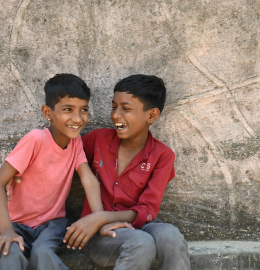
-Augmenting capacities of Potential Child and Youth Champions on issues related to child and human rights
-To ensure implementation of Child/ Youth led planning and implementation of Micro-projects on pertinent social issues that affect them
-Formation of Children’s Councils, a network of children to influence decisions that impact their wellbeing with stakeholders using democratic means. / To strengthen children’s agency through formation of local level Children’s Councils
Fostering Quality Education through STEAM Approach in Government Schools
State– Karnataka
District-Bengaluru Urban
Donor Name– H&M Services Private Limited
Objectives–
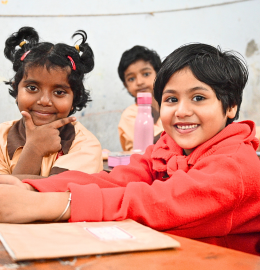
• Strengthen foundational STEAM competencies among students in grades 6–10
• Improve teaching practices through the capacity building of educators
• Foster critical thinking, creativity, and problem-solving skills
• Enable practical application of classroom learning through hands-on experiences
• Support inclusive and engaging learning environments, especially for girls
Right Start: Education Kit for Children
State– Karnataka
Donor Name– Ceva Freight India Private Ltd.(Bollore Logistics)
Objectives–
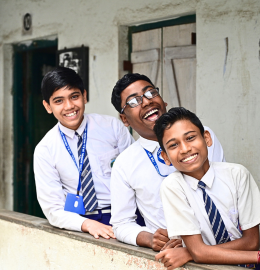
– Provide education kits to children in need
– Improve attendance and reduce dropout rates
– Strengthen foundational learning outcomes
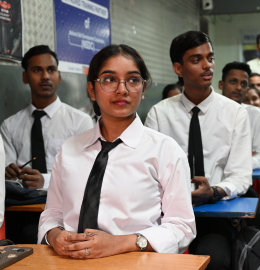
Youth-Led Circular Economy Enterprises for Sustainable Impact
State– Karnataka
District-Bengaluru Urban
Donor Name– H&M Retail
Objectives–
– To strengthen sustainable livelihood opportunities for youth through circular economy enterprises
– To enhance skills, entrepreneurship, and employability among young people, especially women
– To promote environmentally responsible practices through textile waste upcycling
– To enable access to market, credit, and institutional linkages for enterprise sustainability
– To support convergence with government schemes for long-term economic resilience
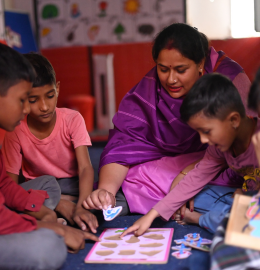
Right Start – Transforming Anganwadi Centres for Holistic Early Learning
State– Karnataka
District-Hoskote (Bengaluru Rural) & Mahadevpura (Bengaluru Urban)Urban
Donor Name– GSK India Global Services Private Limited
Objectives–
• Enhance access to play-based, quality ECCE services for children (3–6 years)
• Strengthen school readiness and smooth transition to formal education
• Build capacities of Anganwadi workers on child-centric pedagogy
• Promote caregiver engagement for learning continuity at home
Ek Pehal Project Utkarsh
State– Karnataka
District– Bengaluru
Donor Name– CBRE South Asia Private Limited
Objectives–
– Establish ICT-enabled SMART classrooms
– Strengthen School Management Committees (SMCs)
– Improve nutrition and health awareness among children and communities
To explore detailed information about each state program, click the button below. This will take you back to the comprehensive program overview, where you can access all relevant details and updates.