


Child Welfare Projects by NGO in Assam
Bal Raksha Bharat is actively running several impactful child welfare programs across key districts of Assam. These initiatives focus on vital areas such as education, health and nutrition, pneumonia prevention. Our efforts aim to create safer, healthier, and more supportive environments where children can thrive despite the unique geographic and socio-economic challenges of the region. With the generous support of donors and corporate partners, we continue to expand our reach and deepen our impact. Each program is designed to address local needs—whether improving access to quality education, strengthening community-based health systems, reducing pneumonia-related child mortality, or building awareness among parents, educators, and communities—through skill-building, resilience, and sustainable development initiatives.
Programmes from 2025 to 2026-
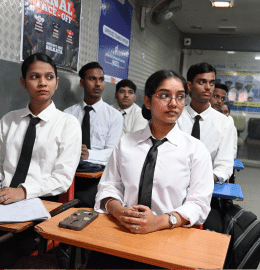
New Horizon Youth Skill Building and Employment Programme
State– Assam
District– Kamrup
Donor Name– Zee Entertainment
Total Reach– 4,510
Objectives– The main objectives of this project are:
-Augmenting capacities of Potential Child and Youth Champions on issues related to child and human rights
-To ensure implementation of Child/ Youth led planning and implementation of Micro-projects on pertinent social issues that affect them
-Formation of Children’s Councils, a network of children to influence decisions that impact their wellbeing with stakeholders using democratic means. / To strengthen children’s agency through formation of local level Children’s Councils
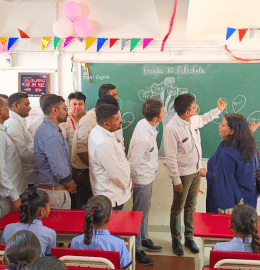
Honda ki Pathshala
State– Assam
District– Guwahati
Donor Name– Honda India Foundation
Total Reach– 2,500
Objectives– The main objectives of this project are
-To improve learning outcomes of students of 6th to 10th grades focusing on subjects English, Science and Math.
-To create a supportive learning environment for academic success and holistic student development through enhanced parental and community engagement
-To disseminate program-based evidence for a sustained and scaled up impact.
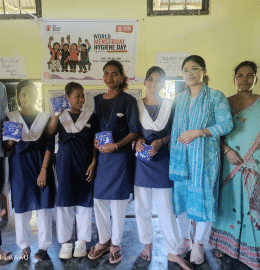
Safe Periods for Tea Workers: Improving Menstrual Health among Women and Girls
State– Assam
District– Jorhat and Golaghat
Donor Name– Shree Vasant Narayan Desai Multi Charitable Trust (Wag Bakri)
Objective– With support from Wagh Bakri Tea Group, the #SAKHI project of Bal Raksha Bharat is breaking menstrual taboos in Assam’s tea gardens from Sotai to Oating Tea Estates. Until now, more than 650 women & girls have been reached, 365+ community members were engaged on Menstrual Hygiene Day, and Sakhi Clubs were formed to lead peer learning sessions
This initiative is aiming to empower adolescent girls through Life Skills & SRHR training.The sessions enabled the club members the knowledge and courage to explore identity and emotions to discuss love, relationships and menstrual health. Participants left with greater self-confidence, stronger awareness of their aspirations and a promise to become peer educators in their own communities to discuss about the topic, freely.
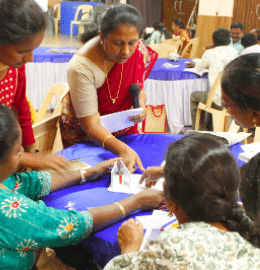
Dream Accelerator
State– Assam
District– Dibrugarh
Donor Name– Global Development Network (GDN)
Total Reach– 25,173
Objectives– The main objectives of this project are:
-Augmenting capacities of Potential Child and Youth Champions on issues related to child and human rights
-To ensure implementation of Child/ Youth led planning and implementation of Micro-projects on pertinent social issues that affect them
-Formation of Children’s Councils, a network of children to influence decisions that impact their wellbeing with stakeholders using democratic means. / To strengthen children’s agency through formation of local level Children’s Councils
Rising Horizons: Empowering Communities for a Brighter Tomorrow
State– Assam
District– Kamrup
Donor Name– Marico India Limited
Total Reach– 25,173
Total Reach– ___
Objectives– The main objectives of this project are :
-Improved Access to Quality Education and Vocational Training Opportunities.
-Increased employment and entrepreneurship opportunities for Youth leading to an increase in income.
-Enabling community structures at Kamrup to address protection issues leading to increased reporting of child protection issues.
To explore detailed information about each state program, click the button below. This will take you back to the comprehensive program overview, where you can access all relevant details and updates.
New Horizon-Youth Skill Building and Employment Programme
A. Project Context
India, with its massive youth population comprising around 66% of the total populace, holds immense potential to drive economic growth and development. However, youth unemployment rates, which reached 23.22% in 2022, present a significant challenge. The demographic is expected to grow by over 8 million annually, primarily driven by young individuals entering the labour market, with an estimated 650 million Indians under the age of 25 and 845 million under 35. Despite this demographic dividend, vulnerabilities persist, particularly among those from marginalized backgrounds, due to factors such as poverty, social stratification, and restrictive gender and social norms.
The Government of India has initiated programs like the Skill India Mission to address skill gaps among youth, with a particular focus on women and girls. However, challenges related to program accessibility, quality, and representation have hindered their effectiveness. These programs often struggle to reach marginalized groups and lack holistic integration for comprehensive youth development. Youths in many states like Assam and West Bengal faces specific deprivation due to the state context and due to socio-economic context.
In the state of Assam, youth employment faces unique challenges. With a population of 3.12 crore and high population density, the region grapples with unemployment rates surpassing national averages, particularly among urban females. The economy is heavily reliant on agriculture and tea production, making it vulnerable to climate change impacts. Erratic weather patterns and changing conditions threaten food security and livelihoods. Kamrup Rural, a district within Assam, reflects this diversity and highlights the need for child protection, nutrition, health, and education. The district’s ecological significance, including Ramsar Wetlands and rich biodiversity, emphasizes the importance of conservation. Sualkuchi, known as the ‘Manchester of the East,’ provides an opportunity for marginalized communities, particularly youth and women, through vocational training and skill development.
In West Bengal, home to around 91.3 million residents, the youth employment situation is influenced by mass migration from neighbouring states, particularly Uttar Pradesh, Bihar, and Odisha. Kolkata’s urban growth has led to the emergence of densely populated slum areas with inadequate living conditions, posing health risks. Vulnerable youth and adolescents in these environments encounter numerous challenges, including limited access to essential services, safety concerns, and a lack of employment opportunities. The prevalence of informal, low-paying jobs further complicates the youth employment scenario, making it essential to address these issues for the betterment of the younger generation.
The common thread across these regions is the need to address youth unemployment by providing access to quality education, skills development, and employment opportunities while tackling underlying issues such as poverty, gender-based norms, and social inequalities. The BRB’s Youth Skill Programme aims to bridge these gaps by providing employability and vocational skills to India’s most marginalized youth, aligning with the Skill India Mission’s objectives.
B. Project Objective.
• 95% of youth (m/f) received/completed financial literacy, life skills and digital literacy training
• 90% of youth (m/f) received/completed market oriented vocational skill training (including green skills) (trade specific).
• 90% of youth (m/f) receive sustained mentorship during job linkages.
• 75% trained youth (m/f) successfully linked to decent employment and retention is around 6 months
C. Key Activities Implemented
• Resource mapping/Need assessment:
The resource mapping as well the need assessment has been done in the Assam and West Bengal towards finalizing intervention geography based on the requirement of the target group following the criteria mentioned in the proposal. Below are steps were taken to conduct the resource mapping:
o Meeting with local stakeholders (Govt., CBOs, School & college teachers, community leaders etc.)
o Door to door survey / Survey in local slums of Kolkata and marginalized villages of Hajo.
o Need Assessment done to understand the demographic detail of the intervention area. During need assessment, information collected on population of the respective area including youth, livelihood opportunities, educational qualification of target age group, Occupation/profession of the population of the respective community, workforce strength etc.
• Stakeholder engagement:
Engagement of stakeholders (Govt. representatives and local leaders) are integral part of the New Horizons project. Meetings were organized into the intervention community with respective govt. and community representatives (local community leaders, local club members, panchayat members, SHG group members, youths, school teachers etc.) to get their suggestions regarding the development of local marginalized youth and share their experiences towards engaging the youth of target age group into the vocational training.
• Skill building:
The following skills building initiatives done during these periods:
o Life skills for success training conducted as part of internal staff capacity building.
o Financial and Digital Literacy training conducted as part of internal staff capacity building.
o 440 Youth (Male: 238 Female: 202) youth in West Bengal and 333 Youth (Male: 64 Female: 269) in Assam have successfully completed financial literacy, life skills and digital literacy training.
• Vocational training:
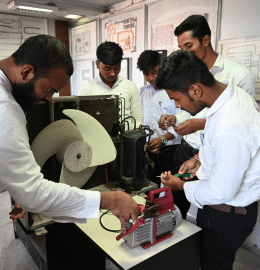
The partnership done with 7 Government Affiliated technical training institutes (In Assam: 05 & In West Bengal: 4) which will provide technical training on various market driven trades to the selected youth. 336 Youths (Male: 180 and Female: 156) in West Bengal and 334 youths (Male: 59 and Female: 275) in Assam have enrolled in various trades for the technical training in various Government affiliated training institutes during these reporting periods.
• Gender sensitization:
Young adults can negotiate social circumstances more empathetically and inclusively when they have a better understanding of various gender orientations and manifestations. The purpose of the gender-sensitization program was to equip the young people with knowledge and abilities necessary to behave professionally and with respect both at their mentors and at work. In West Bengal, 100 students (Female – 33 and Male – 67) have gone through the daylong session on the same.
D. Top-line of Results (outputs/outcomes) achieved.
• 773 youth trained on life skills training, financial literacy and digital literacy training.
• 670 youth have successfully enrolled Market Oriented Skill Training.
• The Students of Housekeeping Operations and Front Office Associate from the state of Assam and the students of Food & Beverage Service Associate, Field Technician AC and Domestic Data Entry Operator from the state of West Bengal have attended industry exposure visits in the last quarter
Honda Ki Pathshala
Project Context- Education is the fundamental right of every child, as mandated in the Right to Education Act of 2009. The act clearly mandates this right to every child of age group 6-14 years to obtain minimum education. The National Education Policy (NEP) 2020 aims to provide equal opportunities for education for all, regardless of socio-economic background, gender, or disabilities. Through the policy, it is envisioned to ensure equal opportunities for education for every child, especially from disadvantaged and underprivileged groups.
NAS, conducted by the Centre in coordination with the CBSE and NCERT to assess learning outcome levels of students of classes 3, 5, 8, and 10, was held on November 2021. The NAS 2021 report shows that in Grade 3, the national average of scores obtained by students in languages was 62 in 2021, compared to 68 in 2017. The corresponding Math scores are 57 and 64, showing a drop of seven percentage points. In Class 5 it’s 44, compared to 53 in 2017, a fall of nine percentage points and in Class 8, the national average came down from 42 to 36 in Math, 44 to 39 in science and social science, and 53 to 57 in language.
Despite the government’s efforts to improve the situation, the number of out-of-school children continues to rise and with only half of all students completing upper secondary school. The challenges are multifaceted and include the shortage of qualified teachers, inadequate infrastructure, limited availability of resources, and the need for increased parental and community involvement. Furthermore, there are socio-economic challenges, such as poverty and discrimination, that impede progress in primary and secondary education across India.
Most of the regions in the country grapple with the issue of children lacking age and grade-appropriate competencies. The pandemic has exacerbated these issues, plunging many children into a learning crisis. It is imperative that we explore different strategies and take deliberate steps to uplift these children from the depths of learning poverty, especially those hailing from diverse backgrounds. While several state governments have initiated programmes to bridge the learning gap for children falling behind, there has been a tendency to prioritize syllabus completion and board exam-oriented approaches, particularly for students in grades 9 and 10. This focus has inadvertently marginalized approximately 35%-40% of children who struggle in many government schools. These children require specific attention and tailored approaches to prevent them from slipping into the abyss of learning poverty.
These children can be supported with after school support and some key reasons for the need for after-school support for marginalized children are as below:
Marginalized children might face additional academic challenges due to different factors such as limited access to educational resources, language barriers, or lack of support at home. After-school support programmes can provide extra tutoring, homework help, and educational enrichment activities to reinforce learning.
After-school support provides additional support and reinforcement for academic subjects. It might support students to better understand complex concepts, complete assignments, and perform well in examinations.
After-school support allows students to receive specialized guidance in specific subjects or areas where they may be struggling. This personalized attention can address individual learning needs and enhance overall academic performance.
In a diverse country like India, language proficiency can be a significant factor in academic success. After-school support can help students improve their language skills which is often important for pursuing higher education and career opportunities.
Some students may have learning gaps or missed concepts during regular school hours. After-school coaching can identify and address these gaps, ensuring a more comprehensive understanding of the curriculum
After-school coaching can help bridge the gap between privileged and underprivileged students by providing additional resources and support to those who might not have access to quality education.
Need Assessment To understand the requirement of the programme, a need assessment was undertaken in Lucknow, Uttar Pradesh and Pune, Maharashtra. Some of the critical finds of the same are as follows:
School-
– No after school support is provided by the schools
– As per the teachers, parents are not responsive towards their child’s education
– Very few children go to tuitions
– To address poor learning outcomes, the teachers try to address within the class hour and also share with their parents to guide them at home, but no significant progress have been witnessed.
– No extracurricular activities are conducted in the schools
– Suggested to add life skill, vocational skill development & engage the children to learn by doing rather than classroom courses.
Community-
– Parents expressed their disappointment towards current teaching style – Most of the people possess limited knowledge on the career building of children – Most of the parents expressed reluctance towards girls’ higher education & early girl child marriage is also prevailed in the communities – Some members are part of SMCs, but they are disappointed with its, functioning in schools – Mostly people are doing small business, shops, E-rickshaw driver, rickshaw, Zomato, Rapido men, mason, plumber & daily wage labourer etc.,
Children
– Children do like to attend schools – Most of them are regular to school unless they have any festival or sickness – Children expressed their aspirations to pursue conventional careers and exposed limited exposure to vast career options. Many of the children shared that they would require mental support to pursue the career of their choice – Children expressed their willingness to pursue higher education; if their families “allow/support” them to do so. – Children suggested to have extra classes or remedial support classes to be different from regular classroom teaching which help them
B. Project Objective
Goal: Enhance academic performance and cultivate life skills among the children while fostering supportive learning environment through active engagement with parents and teachers.
Major Activities and key results
Objectives: –
1- To improve learning outcomes of students of 6th to 10th grades focusing on subjects English, Science and Math. 2- To create a supportive learning environment for academic success and holistic student development through enhanced parental and community engagement 3- To disseminate program-based evidence for a sustained and scaled up impact.
C. Key Activities Implemented
1- Setting up Honda Ki Pathshala: After School Education Centre: Set up 25 Centres across 11 states. The centre that runs in government or government aided private schools equipped with Smart TV, Almirah, Notice Board, Table, Chair and White Board 2- After School Academic Support: Two Academic Support Fellow are appointed for every Centre. They teach English, Math and Science to Grade 6th to 10th as per the schedule. 3- Learning Assessment: Every student is assessed on the basis of subject specific question at th beginning of the session which is known as base Line and again at the end of the session that is known as End Line assessment to assess the improvement in learning of the student in three subjects: English, Math and Science. 4- Special Events and observation of important days: Special event and days are organised for children on different occasion and purpose. These events include, National Science Day, National Math day, UNCRC Child Rights Day, Children’s Day, Republic Day, Independence Day, etc. 5- Life skill education: Children are provided life skill education to build their self-confidence, self-esteem, communication skill and problem-solving skill. They are taught how to think logically and improve life skill and manage challenges in their life. How to take care of mental health and how to take care of self, etc are also taught. 6- Career Guidance: Students of grade 9th and 10th are given career guidance considering their choice, interest and career plan. 7- Parent Teacher Meetings: Regular meetings with parents of HkP centre children are held to encourage involvement of parents in their children’s education and career plan and how to create an enabling environment in home for learning outcome. Teachers also share the activities being held in the centre and seek feedback from parents.
D. Top-line of Results (outputs/outcomes) achieved.
1- Enrolled more than 1500 children so far 2- The Base Line and end line Assessment suggests that the average improvement (all subjects all grades) of the entire children has been 31.6% against the target of 15%, showing achievement of 200% result. See table below. 3- Percentage of children scoring above 60% across subjects (for all grades) have increased from 3% during baseline to 20% during End line, on an average. 4- Almost 99% of children studying in 10th Grade wished to continue their education post 10th Board. 5- There has been tremendous improvement in attendance of children in school. 6- Students are representing their schools in different competition at district and state/zonal level and winning laurels for their schools 7- Active participation of children in extracurricular activities sharpening their soft skills and creativity. Representing their school at higher level and bringing accolades. 8- High appreciation and support from govt., teachers, students and parents for Honda ki Pathshala
Safe Periods for Tea Workers: Improving Menstrual Health among Women and Girls
Project Brief:
A community-based initiative promoting menstrual health and hygiene through awareness, improved access to sanitary products, and enabling safe, dignified practices among women and adolescent girls.
Project Context
In the tea garden communities in Assam, there is a growing opportunity to strengthen awareness, access, and dialogue around menstrual health. With increasing engagement from communities, schools, and local stakeholders, efforts are being made to create supportive environments where women and girls can manage menstruation safely and with dignity.
Aligned with national health and adolescent development priorities, the project focuses on breaking taboos, improving access to menstrual hygiene solutions, and fostering open conversations. By engaging adolescents, families, and community leaders, and strengthening local systems, the initiative is contributing to healthier practices, increased confidence among girls, and greater participation in education and daily life.
Project Goal
To improve menstrual health and hygiene among women and adolescent girls by enhancing awareness, access to products, and supportive community environments.
Project Objectives
-Increase awareness on menstrual health and hygiene practices
-Improve access to affordable and hygienic menstrual products
-Promote positive attitudes and reduce stigma around menstruation
-Strengthen community engagement and ownership of menstrual health
Project Activities
-Awareness sessions, campaigns, and celebration of key health days
-Capacity building of parents, teachers, and frontline workers
-Formation and strengthening of Sakhi Clubs and adolescent groups
-Life skills and SRHR education for adolescents
-Health camps and improved access to menstrual health services
-Installation of sanitary pad vending machines and safe disposal systems
-Community engagement through workshops and behaviour change communication (SBCC)
Dream Accelerator
A. Project Context
Bal Raksha Bharat, in order to work for and with children, recognizes and upholds key principles of the United Nations Child Rights Convention (UNCRC) and the overarching SDG principles that gives children an opportunity to express their views, be involved in decisions and take action on child rights Globally there is a growing emphasis of child participation through various social accountability mechanisms which are being effectively embedded in formal governance structures especially at the local level. This provides scope for meaningful and inclusive engagement of children/ youth to lead their own campaign for responsive governance and sustainability.
B. Project Objective
• Augmenting capacities of Potential Child and Youth Champions on issues related to child and human rights
• To ensure implementation of Child/ Youth led planning and implementation of Micro-projects on pertinent social issues that affect them
• Formation of Children’s Councils, a network of children to influence decisions that impact their wellbeing with stakeholders using democratic means. / To strengthen children’s agency through formation of local level Children’s Councils
C. Key Activities Implemented
• Identification and Capacity Building of 172 Child/youth Champions on guided audio-visual modules
• Developing SIX new audio-visual modules
• Developing Case Story Compendium for stories of change
• 29 Micro Projects rolled out across 10 locations involving more than 150 children/youth directly
• 19 Youth Councils are formed and actively pitching for the rights of children/youth with ley stakeholders
D. Top-line of Results (outputs/outcomes) achieved.
1. Child-led Advocacy and Community Impact:
Children across Rajasthan, Bihar, and Jammu & Kashmir have championed local advocacy initiatives. From using storytelling to influence district authorities, to facilitating school re-enrolment of dropouts, and mobilising councillors for environmental campaigns—these efforts highlight the transformative power of child voices in governance and community action.
2. Capacity Building of Child Champions:
A total of 172 Child Champions have been identified and trained across project Location/s. They have completed capacity-building sessions on six customized modules focused on child rights, leadership, communication, and civic participation—equipping them to be change agents in their communities.
3. Youth-led Micro Projects for Social Change:
Out of 39 submissions, 29 innovative Micro-Projects led by children and youth have been selected and implemented. These initiatives address critical issues such as health, education, ending child marriage, and environmental sustainability, demonstrating youth-led problem-solving and innovation.
4. Democratic Youth Participation Structures:
19 functional Children’s and Youth Councils have been activated through democratic elections. These councils serve as formal platforms for sustained youth engagement in civic issues, promoting leadership and structured participation in local decision-making.
A. Project Context
In collaboration with Marico India Limited, Bal Raksha Bharat, and the local administration, a comprehensive project has been initiated to address the multifaceted challenges faced by marginalized communities, particularly children and women, in Kamrup in Oct 2023. This program aims to integrate health and nutrition, education, child protection and skill-building endeavours, fostering holistic development and empowerment. The initiative is designed to create a promising and enduring future, emphasizing empowerment and sustainability as foundational principles.
Basis the learning and need assessment conducted in the given geography, Bal Raksha Bharat in collaboration with Marico India Limited propose a four-year longer-term strategy to empower adolescents and youths in the Kamrup district, addressing educational, economic, and social challenges to ensure equal opportunities and foster a safe and vibrant community. The proposed design outlines four key outcomes: enhancing access to quality education and vocational training, leading to increased completion and transition rates; creating more employment and entrepreneurship opportunities for youths to boost income; establishing community structures to effectively address protection issues, thereby encouraging the reporting of child protection issues; and improving knowledge and awareness on health and nutrition issues, with a focus on adolescents and youths, especially girls, leading to enhanced health and nutrition status through improved access to relevant services. This comprehensive approach aims to contribute to the holistic development of adolescents and youths in the region.
B. Project Objective.
• Improved Access to Quality Education and Vocational Training Opportunities.
• Increased employment and entrepreneurship opportunities for Youth leading to an increase in income.
• Enabling community structures at Kamrup to address protection issues leading to increased reporting of child protection issues.
C. Key Activities Implemented
• Remedial classes for A&Y, and re-integration in schools (formal/open):
Bal Raksha Bharat and Marico limited jointly commenced the Multi Activity Centre at Saniadi and 1 No. Hajo Panchayat to have access formal education for dropout, irregular and never enrolled children. We have setup two MAC centres one in 1 No. Hajo Panchayat and one in Saniadi Panchayat where most of the need were identified during the need assessment. The MAC centres and its curriculum are decorated and setup in a way that children can learn through activity and participate in various programs to develop their skill and learning to continue their formal education. Our MAC centres have a six-month bridge course according to the children age and grade to support the children in finding and developing their weaker point.
• Vocational Skill Training:
Awareness and mobilization: To identify dropout and unemployed youth awareness and mobilization has been carried out at Saniadi and Hajo area to engage them into vocational training to become them self-employed and placement in various Jobs. For life skill, digital literacy, financial literacy training youths are encouraged and motivated to attain LS4S training for up skill and confident themselves for their further Job/entrepreneurship engagement.
Life skill Training: To develop self-motivation, confidence and encouragement we support youths with providing life skill, financial and digital training and carrier counselling within our centres. After completion of life skill training we linkage the youths with the vocational training centres to obtain their vocational training. After completion of VT youths are facilitated for job linkage or for entrepreneurship support. A total number of 19 youths have been completed life skill, financial literacy, digital literacy, financial literacy training and carrier counselling program. 14 out of 19 youths have completed vocational training from different trades.
• Formation & Strengthening of Child Protection Committees (CPCs) protection issues leading to increased reporting of child protection issues
We have formed two Village Level Child Protection Unit in both the panchayat 1 No. Hajo and Saniadi in consultation with District Child Protection Unit, Kamrup. Two days Capacity building training for both the VLCPC members has been facilitated by District Child Protection Unit, Kamrup and District Legal Service Authority, Kamrup. Apart from Child Protection Committee to ensure children participation, rights and protection we have formatted two children/adolescent group for both the panchayat.
• Visit and Interaction with MAC Children and community by Chairperson of ASCPCR
Honourable chairperson of Assam State Commission for Protection of Child Rights has visited our Hajo MAC and interacted with our MAC children on 9th December 2024. He encouraged children for going back to school and fulfil their dream in support of MAC’s facility and curriculum. He also interacted with local community and parents to support BRB for achieving their upright goal in betterment of children. He also congratulated and appreciate Bal Raksha Bharat team for implementing and leading great initiative for betterment of children and society in such a remote area of Kamrup, Assam. He also delivered a video bite and massage of our work for the audience.
• Access to Social Protection schemes and services (Scholarship and family-based schemes):
We have successfully linked and registered 4 vulnerable single and orphan children with sponsorship scheme introduce by Govt. of India under mission Vatshalaya at DCPU Kamrup. In the process of registration, we have also support and help children and guardian in preparation and obtain necessary documents like Income certificate, School Certificate, Aadhaar card, birth certificate and also in official process and produce of children and guardian in front of CWC and DCPU.
• Celebration of Special days to spread the messages of the project.
The project observed/ celebrated below days with the project community, children and stakeholders to advocate for and spread awareness on issues of children.
UNCRC week celebration
International Girl Child Day Celebration
World Day Against Trafficking in person:
World Day against Child Labour:
International Woman’s Day Celebration:
Pre- Diwali Celebration:
Celebration of Children Day 14th November
Independence Day Celebration
Graduation Day Celebration:
Celebration of Daan Utsav 2nd – 8th October
Art and Craft Competition
D. Top-line of Results (outputs/outcomes) achieved.
• 1 youths have already hired for job placement at Taj Falaknuma Palace, Hyderabad Food & Beverage Department. And three youths have coming up with entrepreneurship platform. 1 engaged with beautician and other 2 are engaged with cutting and tailoring.
• Child friendly corner was inaugurated at District Child Protection Unit, Kamrup and Hajo Police Station: