


BUILDING RESILIENCE: INTEGRATING ESSENTIAL FOR CLIMATE CHANGE ADAPTATION
India is highly exposed to disasters and climate events, at times recurrent and multiple, such as earthquake, floods, cyclone, landslides and drought. Urban areas are more exposed to fire hazards besides other hydro-geological disasters. Melting snow and glaciers, changing rain patterns, landscape and biodiversity, loss of water bodies, temperature fluctuation, not only have impact on food, health, and potable water but also affects children, their families and communities to further shocks and negative coping strategies.
The impact of climate change and environmental degradation on children, girls and boys, is yet to be fully understood. However, available literature and reports show that children may become more susceptible to hunger, vector and bacteria borne diseases, unable to access school due to floods, landslides and heavy rains. Children may be subjected to Child trafficking, child labour, Child marriage etc.
Resilience and Climate Change Adaptation is a priority area for Bal Raksha Bharat and through its programmes strives to address the impact of frequent and protracted climate and disaster risks by building resilience among marginalized children, families and communities, particularly women and girls.
The approach is to strengthen knowledge and capacity of communities by meaningfully engaging with children, families and community members, particularly women and girls, towards climate and disaster hazard, risk awareness and building resilience skills. Adopt children and community led interventions in building and conserving community assets such as watershed, local biodiversity, local forests, through Nature-Based Solutions. Engage and collaborate with urban and rural local governance bodies on climate adaptation plans and practices which are child-centered and gender inclusive through meaningful participation and engagement of children. Partner with schools in urban geographies to demonstrate participatory environment conservation action by children. Support these initiatives through a donation for NGO efforts to drive sustainable and impactful change.
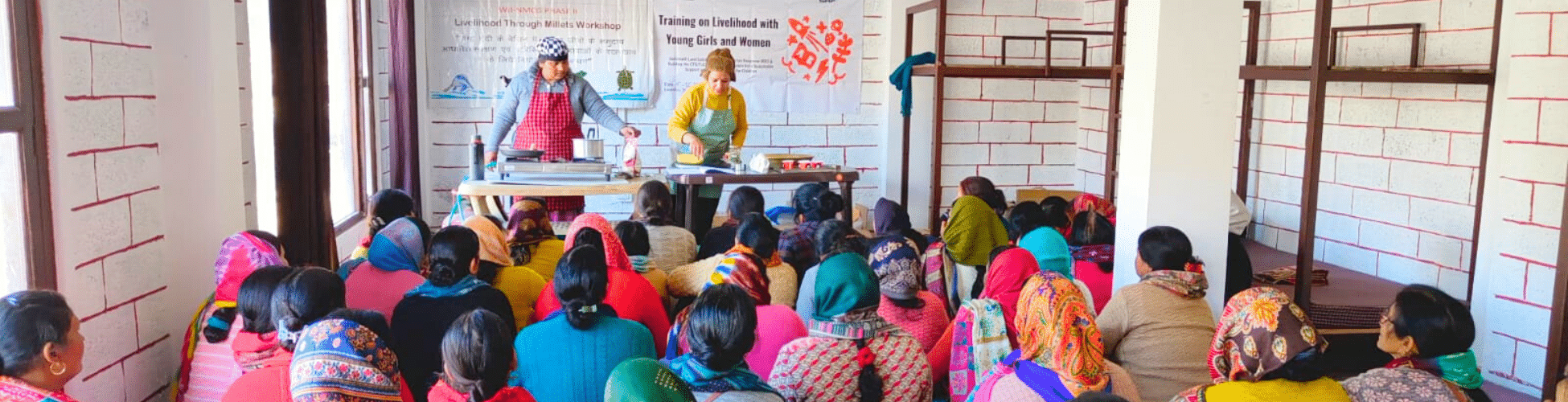
Work closely with communities to adapt to protracted disaster and climate events by providing livelihoods interventions for the most climate and disaster risk exposed families, particularly vulnerable women with children will be developed. As an NGO in disaster management, we use technology for early warning systems, greener alternate energy, green jobs and entrepreneurships.
Why the needs of children should be given priority in emergency response:
Impact of climate change on children’s health
Extreme weather exposes children to illness, injuries, and long-term health risks.
Climate change severely affects children, making them the most vulnerable group during extreme weather events such as floods, heatwaves, and storms. These conditions increase the risk of malnutrition, respiratory infections, waterborne diseases, and physical injuries. Prolonged exposure to unsafe environments also weakens their immunity and hampers healthy growth. Protecting children from the consequences of climate change requires urgent action to provide healthcare, safe shelters, and resilient systems that safeguard their future.
Children’s education is disrupted by climate change and disasters
Extreme weather events prevent children from continuing their learning.
Climate change intensifies emergencies such as floods, cyclones, and heatwaves, which often damage schools, displace families, and interrupt children’s education. The shortage of teachers, unsafe infrastructure, and absence of safe learning spaces make it difficult for children to maintain continuity in their studies. In addition, gaps in research and preparedness limit the ability of decision-makers to design resilient education systems. Ensuring climate-resilient schools and providing emergency learning solutions are essential to safeguard children’s right to education and their long-term development.
Ongoing Resilience Initiatives
Advancing humanitarian action through strengthening resilient villages, organizing capacity-building workshops, and promoting climate action with child-centred disaster resilience through national consultations and community-led preparedness initiatives.
Climate Smart Disaster- AI Lab
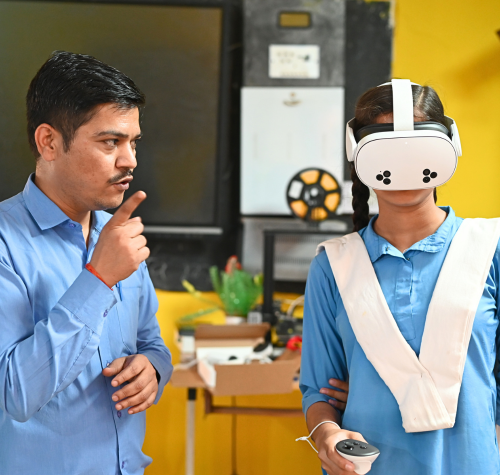
The VR Disaster Resilience Lab is an innovative and immersive learning initiative developed by Bal Raksha Bharat with support from Salesforce and IIT Mandi iHub. The program leverages AI-powered and Virtual Reality (VR) technology to help children understand disaster risks and build practical preparedness skills in an engaging and interactive environment.
Key Learning Areas:
- 🌊 Flood Safety – Understanding flood risks, early warning signs, evacuation procedures, and safety measures during and after floods.
- 🔥 Fire Safety – Learning how to prevent fire hazards, respond during emergencies, and safely evacuate affected areas.
- 🌍 Earthquake Preparedness – Practicing essential safety actions such as “Drop, Cover, and Hold” and understanding earthquake response protocols.
- 🌪️ Cyclone Response – Building awareness of cyclone preparedness, emergency planning, and community safety measures.
- ☀️ Heatwave Awareness – Learning about heat-related risks, preventive actions, hydration, and personal safety during extreme temperatures.
Through immersive simulations and interactive learning experiences, the initiative transforms classrooms into hubs of climate resilience, empowering children to become disaster preparedness champions who can share their knowledge with families and communities, thereby strengthening resilience at the grassroots level.
MoU with the IIT Mandi for technological engagement for children
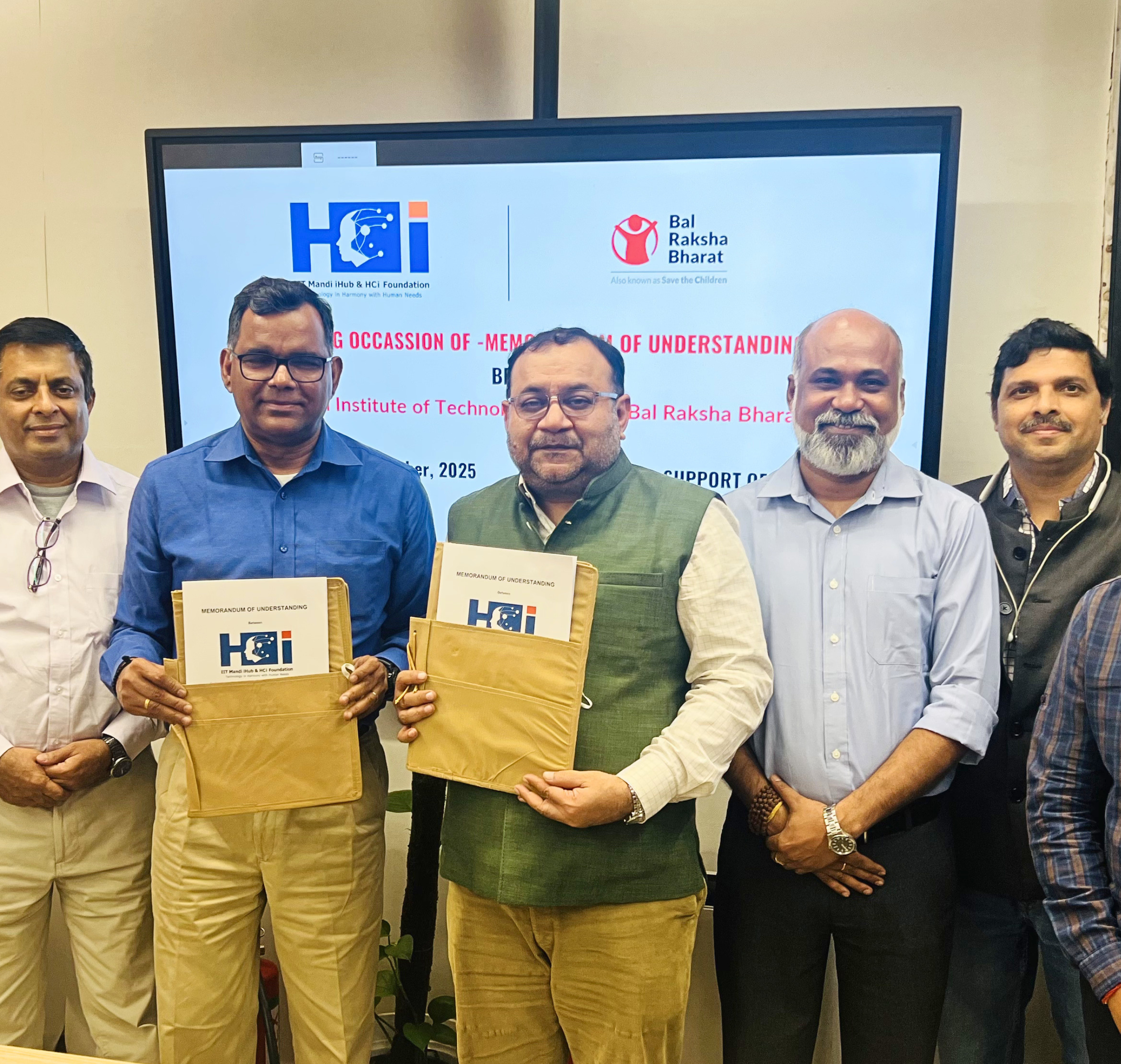
We are delighted to announce the signing of a five-year Memorandum of Understanding (MoU) between Bal Raksha Bharat (Save the Children India) and IIT Mandi iHub and HCI Foundation — a landmark partnership that brings together technology and social impact for children wellbeing.
Through this partnership our joint focused would be on:
-Co-create futuristic technology-driven solutions to strengthen child safety.
-Develop innovations solution for Education, Health & Nutrition, Child Protection, Economic wellbeing and disaster preparedness, response, and resilience.
Foster joint research, innovation, and outreach to reach vulnerable children and communities.
This partnership is where innovation meets inclusion, and where every idea brings us closer to a world where every child thrives in safety and dignity. Let’s build a smarter, safer, and more resilient tomorrow — together.
Eco Retrofitting and Weather Station under the salesforce project in Bengaluru and Gurgaon
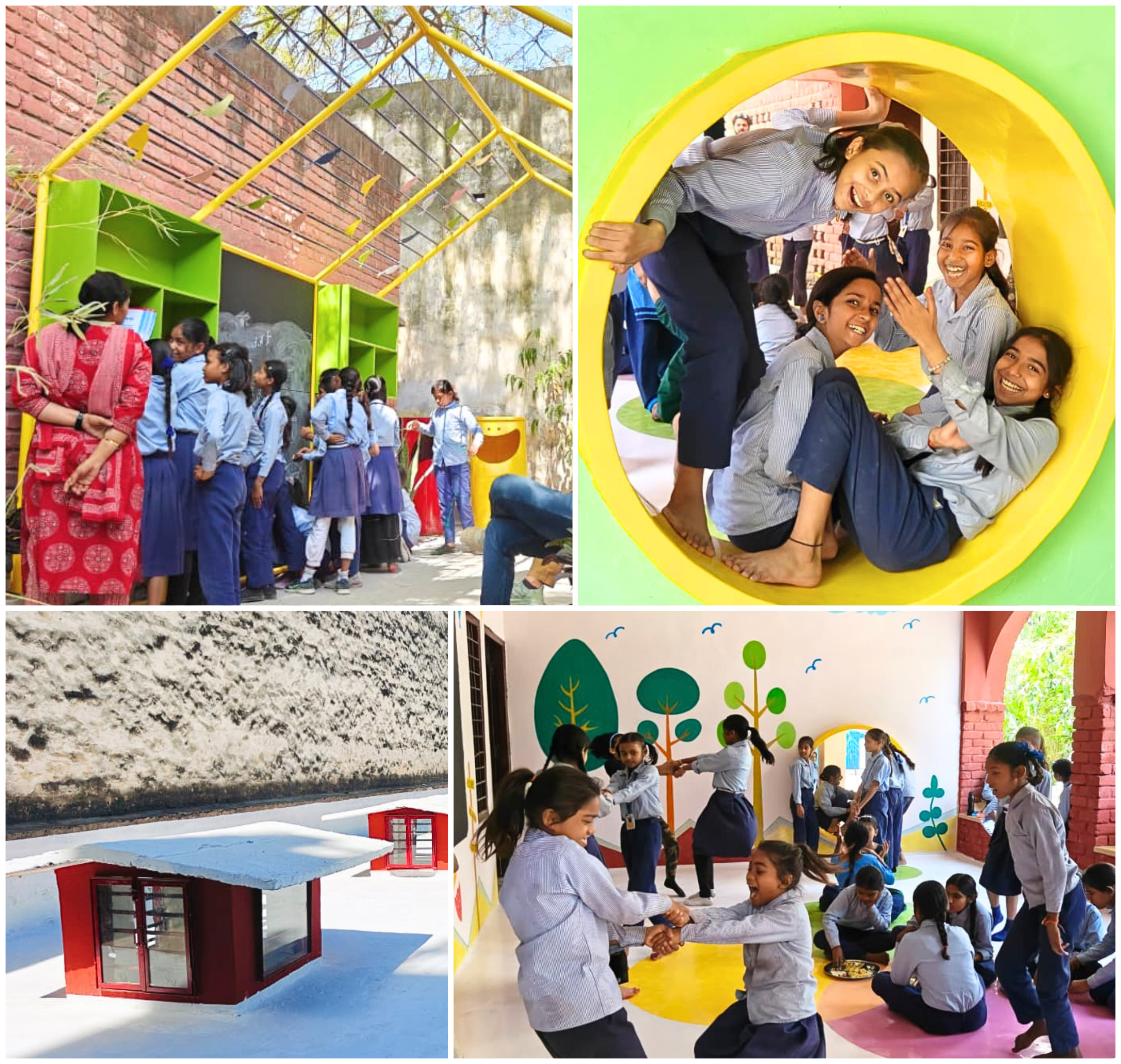
The Govt. Girls Primary School in Nathupur, Gurugram is a pilot intervention by Bal Raksha Bharat to strengthen community resilience through risk-smart programming and enhanced climate knowledge.
The primary objective is to enhance climate-resilient coping mechanisms, ensuring long-term preparedness. The goal is to empower communities to withstand climate shocks while sustaining and leveraging development gains for a more secure future.
The pilot school project includes implementing eco-retrofitting solution for water conservation, waste management and energy efficiency of the existing building to reduce operational energy and carbon footprint while developing a child-friendly learning environment through design solutions.
KEY INNOVATIONS IN CLIMATE CHANGE ACTION AND RESILIENCE BUILDING:
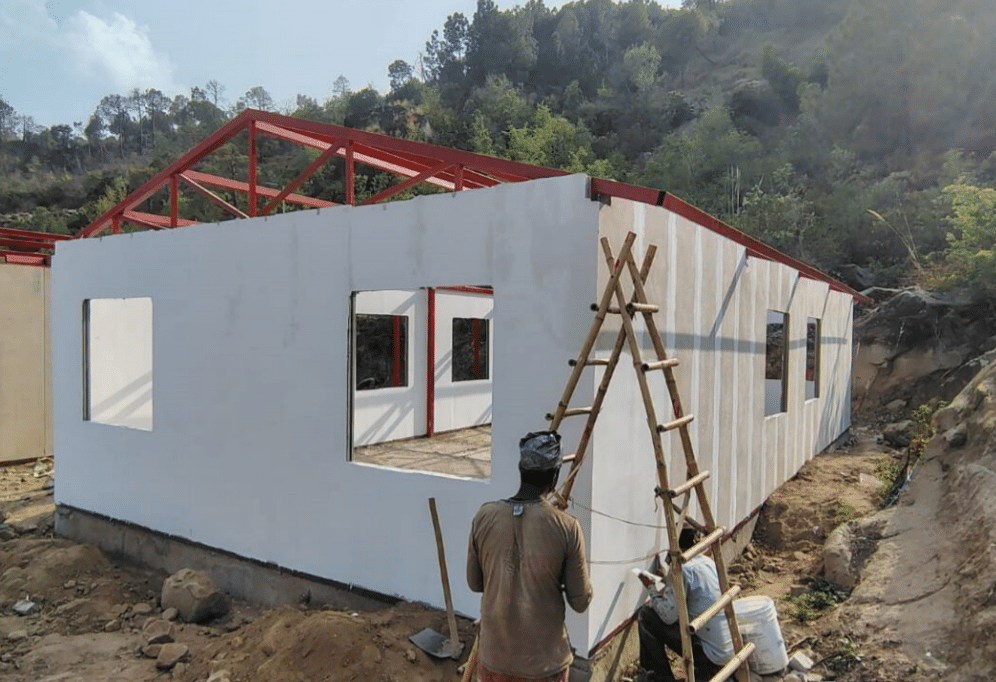
The Model Resilient Village Programme was initiated in response to the devastating flash floods and landslides that struck Himachal Pradesh. This programme is implemented by Bal Raksha Bharat in partnership with Zee Entertainment, the Himachal Pradesh State Disaster Management Authority (SDMA), the Central Building Research Institute (CBRI), and the District Administration.
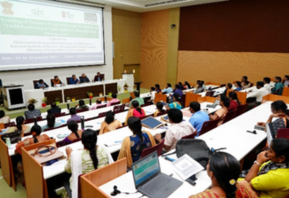
Strengthening of child centric disaster risk reduction (CCDRR) centre at the National Institute of Disaster Management to mainstream the children agenda. Bal Raksha Bharat is working together with the National Institute of Disaster Management (NIDM) to strengthen humanitarian efforts in disaster risk reduction and climate change adaptation, realizing the critical need to protect vulnerable children in situations of disaster.
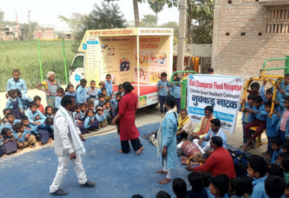
Building climate resilience in vulnerable communities: A flagship initiative by Bal Raksha Bharat in partnership with Salesforce Foundation — This initiative is designed to empower children, their families, and communities across five states in India to prepare for, survive, and recover from climate-induced shocks through proactive risk reduction, community preparedness, and access to social protection systems.